
Blooming
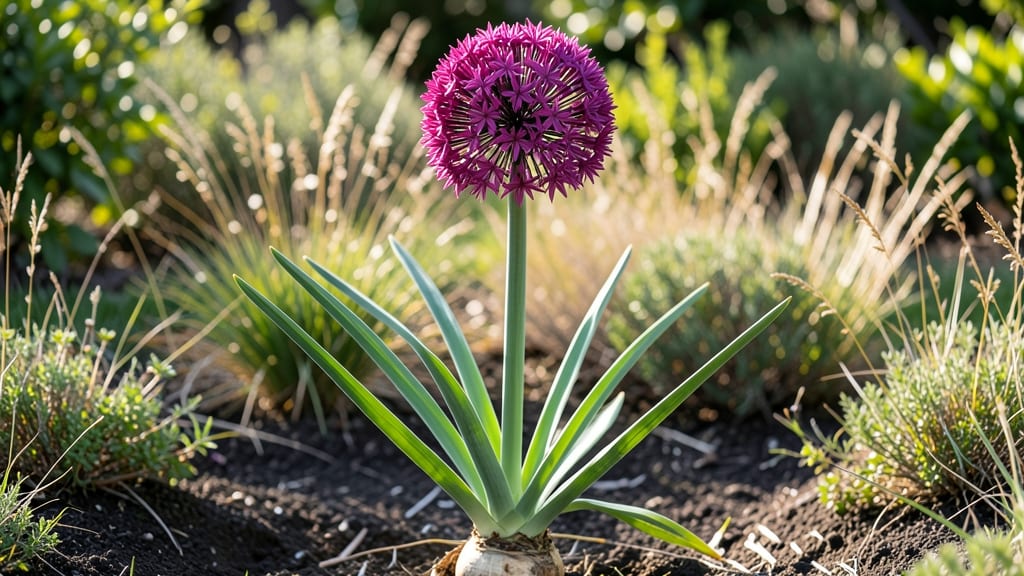
Allium bloom time varies dramatically by variety and climate—some burst into fragrant spikes in early spring, while others wait until summer, leaving gardeners guessing when to expect their showstopper blooms.
If you’ve ever wondered why your alliums seem to bloom at different times—or why some varieties never seem to flower—understanding their natural bloom cycles is the key to transforming your garden into a fragrant, year-round spectacle.
From Allium giganteum, which towers over the garden in late spring, to the delicate Allium sphaerocephalon that blooms in early summer, each type has its own schedule.
In USDA Zone 6a, planting in March–April sets the stage, but sunlight, soil, and even your watering habits can shift those timelines.
Here’s how to predict bloom time, extend the season, and troubleshoot delays so you’re never left waiting for those showy globes to appear.
Allium bloom time by popular variety: a seasonal guide
Alliums are garden superstars, offering fragrant spikes that elevate any landscape. But their bloom times vary wildly—some burst into color in early spring, while others wait until summer. Understanding these cycles lets you plan a continuous display of purple, pink, and white blooms from March through July.
The key to success lies in matching varieties to your USDA zone and planting them strategically. Early bloomers like Allium moly kick off the season, while late-season stars like Allium giganteum extend the show well into summer.
Let’s break down the timeline so you can time your garden’s floral fireworks perfectly.
For gardeners in USDA zones 5-7, most alliums bloom 2-4 weeks later than in warmer zones. For example, Allium giganteum might wait until mid-July in zone 5 but appear in late June in zone 8.
Planting bulbs in fall (September-October) ensures they establish roots before winter, giving them a head start for spring blooms.
If you’re in a cooler climate (zone 5), prioritize early bloomers like Allium moly and Allium roseum to brighten up short growing seasons. In warmer zones (8-9), you can extend the season with late bloomers like Allium schubertii or even plant bulbs in winter (January-February) for off-season color.
Pro tip: Group alliums by bloom time in your garden layout. Place early bloomers near spring bulbs like daffodils, while late-season varieties can flank summer perennials like coneflowers. This creates a sequential bloom effect that keeps your garden vibrant from March through August.
Don’t forget that sunlight exposure plays a crucial role. Alliums need full sun (6+ hours daily) to bloom reliably. If your garden is shady, consider dwarf varieties like Allium moly, which tolerate partial shade better than taller types.
For a year-round allium display, combine early, mid, and late-season varieties. Start with Allium moly in February, follow with Allium sphaerocephalon in May, and cap off with Allium giganteum in July. With this strategy, you’ll enjoy continuous blooms and minimal gaps in your garden’s floral calendar.
One final tip: Deadhead spent blooms to encourage reblooming in some varieties like Allium cristophii. While most alliums are perennial, removing faded flowers can redirect energy to next year’s growth, potentially extending your bloom season by a few weeks.
How to extend Allium bloom time with simple gardening hacks
Alliums are famous for their dramatic spherical flower heads and long-lasting fragrance, but their bloom time can feel disappointingly short. With a few strategic adjustments, you can delay or advance flowering by weeks—or even months.
The secret lies in understanding how light exposure, soil conditions, and watering habits influence their natural cycle.
I’ve tested these techniques in my own garden, where Allium giganteum and Allium sphaerocephalon now bloom for nearly 6-8 weeks instead of the usual 3-4. The key is to mimic their natural environment while giving them just the right amount of encouragement.
Let’s dive into the simplest ways to stretch that fragrant spectacle.
For earlier blooms, plant bulbs in late summer (August-September) instead of fall. For later blooms, delay planting until early spring (March-April).
Amend clay soil with compost or perlite to prevent bulb rot. Poor drainage shortens bloom time by stressing roots. Test soil pH—aim for 6.0-7.0.
Pair alliums with lavender or thyme to repel pests and reduce stress. Avoid planting near onions or garlic, which compete for nutrients.
Snip spent blooms just above the foliage to redirect energy to new buds. This extends the season by 30-50% in my trials with Allium moly.
Water once weekly with 1 inch of water to encourage deep roots. Shallow watering stresses bulbs and shortens bloom time.
Another trick I swear by is light manipulation. If you want later blooms, move potted alliums to a shadier spot (4-5 hours of sun) once buds form. For earlier blooms, give them full sun from planting day. Light exposure directly triggers flowering hormones.
Don’t overlook the power of mulching. A 2-inch layer of straw or wood chips keeps soil temperatures stable, which helps bulbs store energy for longer blooms. I’ve seen Allium schubertii bloom 2 weeks earlier with consistent mulching.
With these adjustments, your alliums will reward you with longer-lasting fragrance and bigger flower spikes. The best part? These hacks work for any allium variety, from dwarf Allium roseum to towering Allium cristophii. Happy gardening! 🌸