Blooming
April showers bring May flowers—but some stunning blooms arrive early! These 10 hardy flowers burst into color first, offering vibrant pops against spring’s muted palette and attracting pollinators when food is scarce.
Daffodils for Early Spring Color
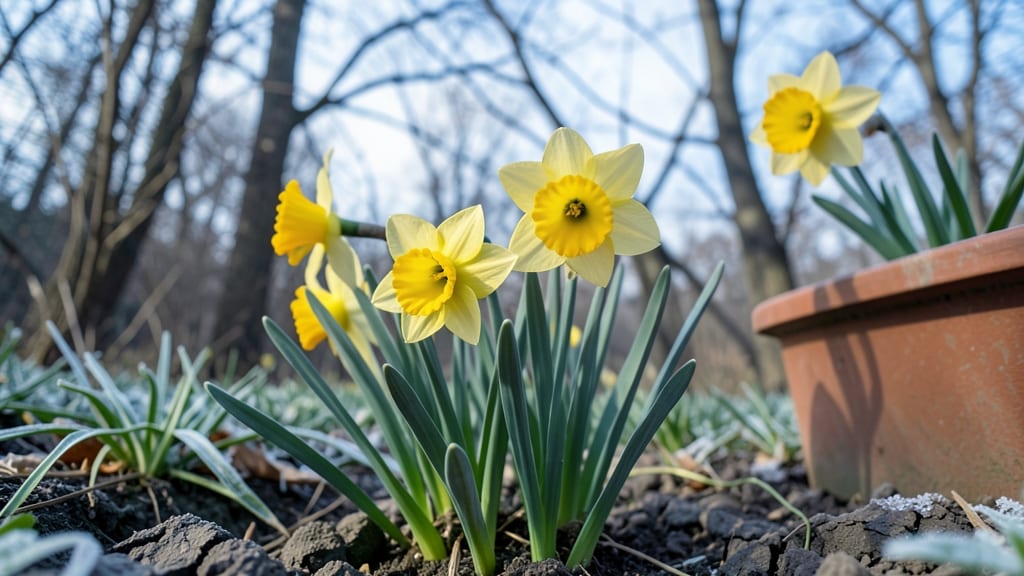
When your garden still feels like winter’s leftover chill, daffodils arrive like cheerful messengers of spring—often blooming in April even in cooler climates. These hardy bulbs thrive in partial shade, making them perfect for brightening shady garden corners, woodland edges, or containers on north-facing patios.
Plant bulbs in well-draining soil 6-8 weeks before your first frost for April blooms, or force them indoors in late winter by potting and chilling for 10-12 weeks. Choose varieties like 'Tête-à-Tête' (compact) or 'Ice Follies' (white) for reliable early color. Their bright blooms symbolize renewal and deter deer, making them a low-maintenance winner.
Urban gardeners and shade-lovers rejoice—daffodils bring joy without demanding full sun. Their year-round foliage also suppresses weeds, giving you double the benefits. 🌱
Tulips That Defy Frost
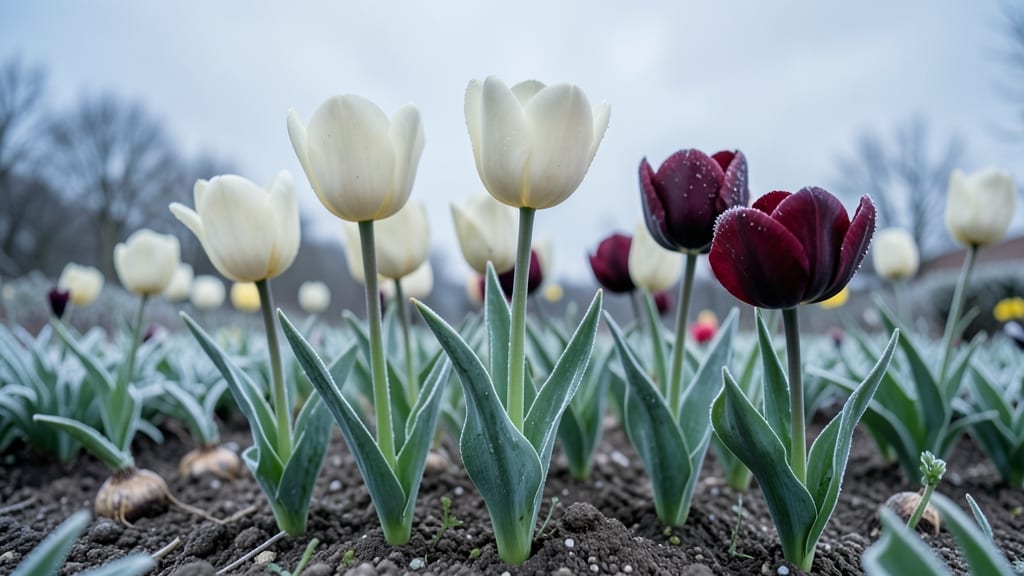
Skip the delicate spring flowers—tulips like 'Ice Cream' and 'Queen of Night' thrive when most blooms would freeze. These cold-hardy varieties push through frost to deliver vibrant April color that lasts for weeks in vases, making them the ultimate cut-flower star.
Plant bulbs in well-draining soil with full sun exposure (6+ hours daily) for the boldest blooms. Their long vase life (up to 10 days) means fewer trips to the garden—perfect for busy gardeners who want effortless beauty. The 'Ice Cream' variety even sports striking pink-and-white stripes!
Ideal for first-time bulb gardeners or anyone craving instant spring impact, these tulips prove frost isn't a showstopper—just a preview of the vibrant season ahead. 🌻
Crocus for Pollinator Magnet
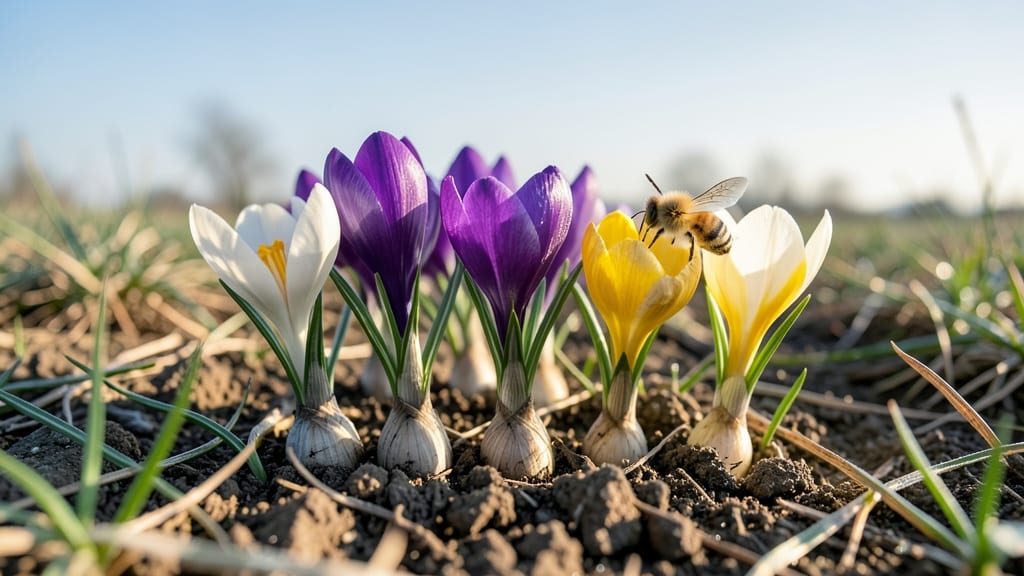
When bees wake up hungry after winter, crocus is often the first plant offering them a meal. These tiny purple, white, or yellow blooms appear as early as late winter, providing critical early-season nectar when few other flowers are available.
Plant crocus bulbs in full sun for the best results—they thrive in 6 hours of sun daily and multiply over time, creating naturalized drifts that spread effortlessly. Their low-growing habit makes them perfect for filling gaps in lawns or borders, and they’re drought-tolerant once established.
Perfect for beginner gardeners and pollinator enthusiasts, crocus delivers year after year with almost no maintenance. Just plant, water lightly, and let nature do the rest! 🌱
Bleeding Heart Vine
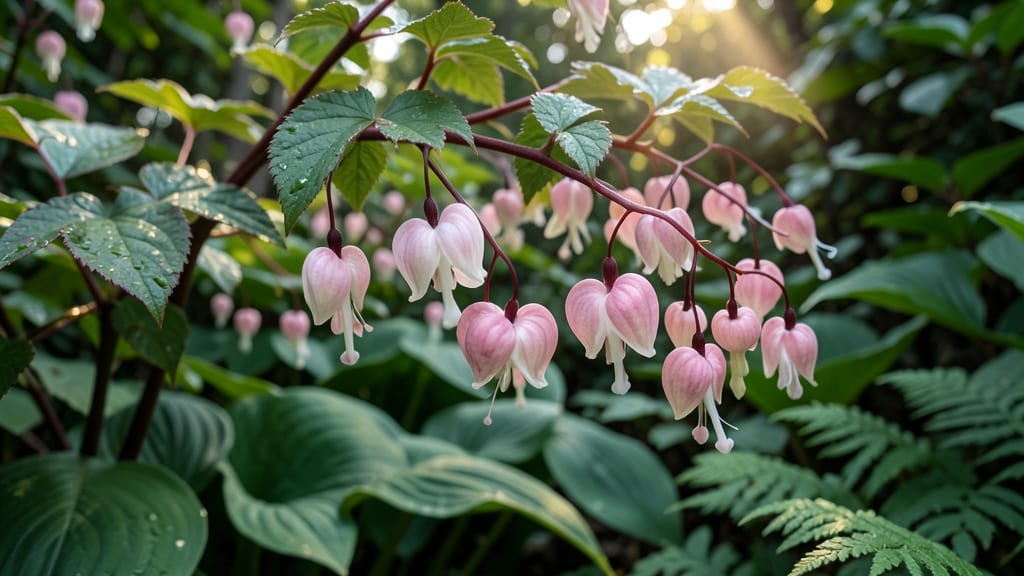
Transform your shady garden corner into a romantic retreat with bleeding heart vine (Dicentra spectabilis), a spring-blooming climber that cascades delicate, heart-shaped flowers like nature’s valentine. Unlike sun-loving blooms, this shade specialist thrives where others struggle, making it the perfect choice for woodland gardens, north-facing walls, or under tree canopies.
Plant your bleeding heart vine in well-draining, moist soil enriched with organic matter, and provide support like a trellis or fence for its graceful, arching growth. The pink or white blooms appear in late spring, lasting 4-6 weeks, while the fern-like foliage adds lush texture year-round. Prune back stems after flowering to encourage a second, smaller bloom cycle later in summer.
This dreamy climber is ideal for gardeners who love low-maintenance romance—it’s perfect for cottage gardens, urban balconies with shade, or as a living privacy screen. Just remember, it’s not drought-tolerant, so keep the soil consistently moist for the most dramatic display. 🌷
Pansies for Edible Beauty
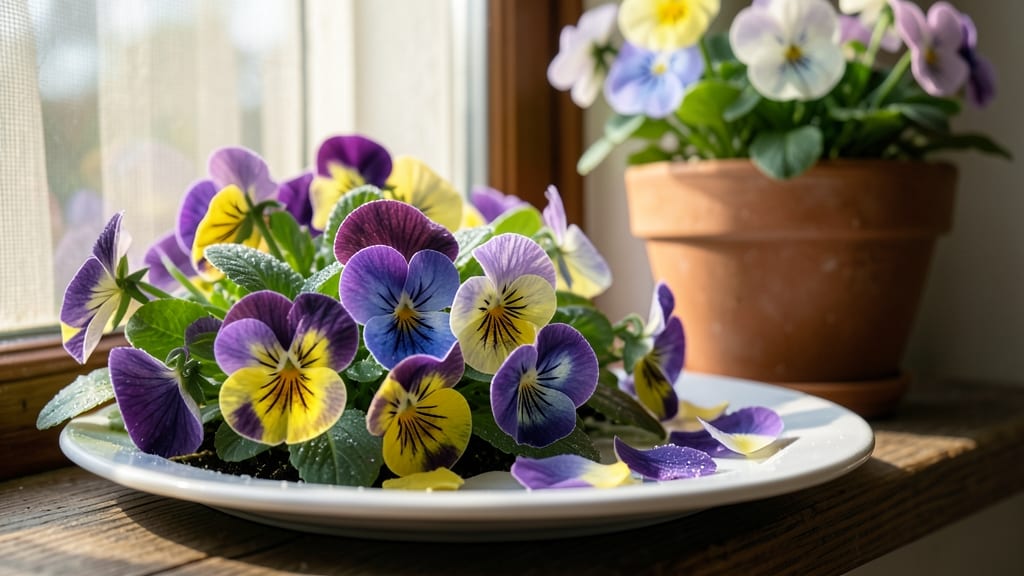
Looking for a two-in-one solution that feeds both your garden and your palate? Pansies are the secret weapon for April color, offering edible petals that add a peppery, slightly sweet flavor to salads or garnishes.
These cold-tolerant annuals thrive in temperatures as low as 25°F, making them perfect for early spring planting. Varieties like 'Cool Wave' boast bold, long-lasting blooms in vibrant hues, while their petals can be harvested and used fresh or dried. For best results, plant in well-draining soil with 4-6 hours of sun and deadhead spent blooms to encourage continuous flowering.
Ideal for containers, window boxes, or border edges, pansies bring color and culinary potential to small spaces—no fancy garden required. Urban gardeners and beginners will love their low-maintenance charm and dual-purpose beauty. 🌷
Magnolia Star Flower
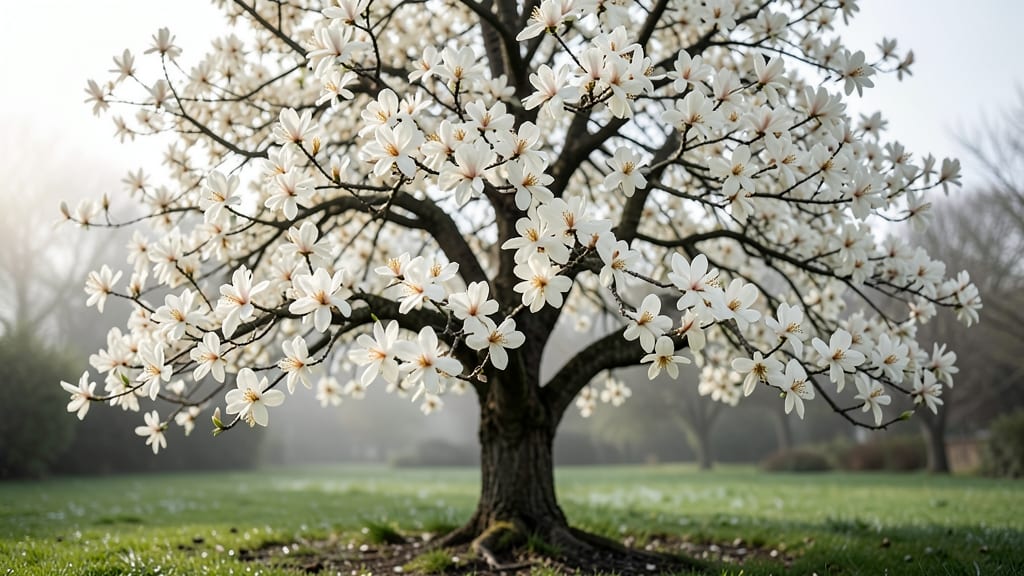
When April’s cool breezes carry the first hints of spring, magnolia star flowers (Magnolia stellata) burst into bloom like nature’s own perfume bottle. Their delicate, star-shaped white blooms—often with a golden center—create a fragrant spectacle that transforms any garden into a romantic retreat.
These compact trees thrive in full sun to partial shade and prefer well-drained soil, making them ideal for urban gardens or small yards. The glossy evergreen leaves add year-round interest, while their intoxicating scent—most potent in the morning—draws you closer to the garden. Prune lightly after flowering to maintain their natural shape, and watch as they reward you with reliable April blooms for decades.
Perfect for gardeners who love low-maintenance plants with high impact, magnolia star flowers bring both beauty and tranquility to patios and entryways. 🌷
Allium for Dramatic Height
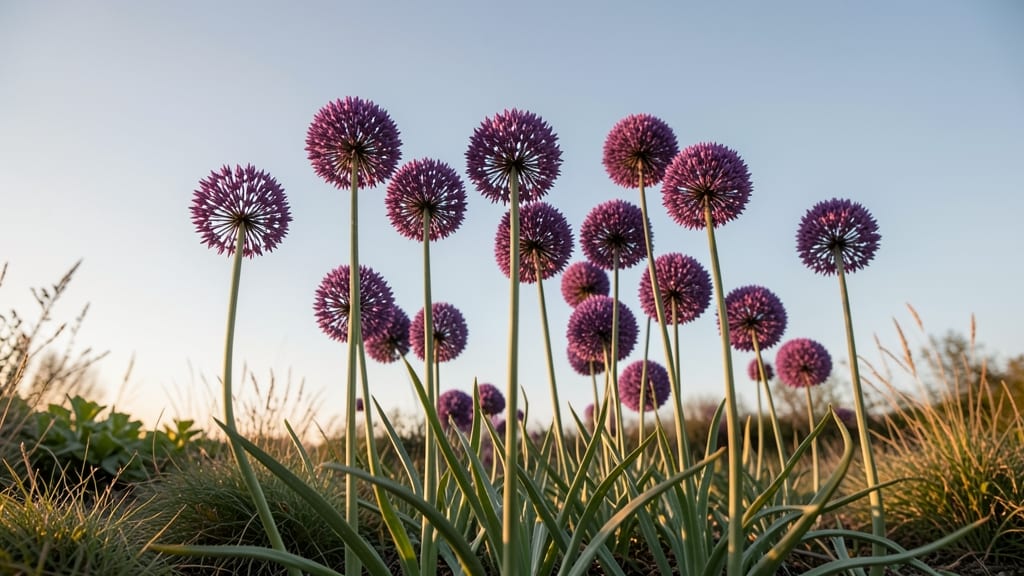
Tired of flat, boring borders? Allium bulbs transform your garden with their spherical purple blooms that rise dramatically above other plants—like nature’s own exclamation point. These globemaster varieties reach 3-5 feet tall, creating instant vertical interest that catches the eye from across the yard.
What makes them even better? They’re drought-resistant once established, deer-proof, and thrive in full sun with minimal care. Plant them in sunny meadows, cottage gardens, or wildflower mixes—they’ll naturalize effortlessly, spreading over time. For best results, pop bulbs in fall (6-8 weeks before frost) in well-draining soil, and watch them emerge in late spring to early summer with minimal fuss.
Perfect for gardeners who want low-maintenance drama, alliums pair beautifully with shorter perennials like lavender or catmint. Their long stems also make stunning cut flowers that last weeks in vases. 🌟
Sweet Alyssum for Honey Bees
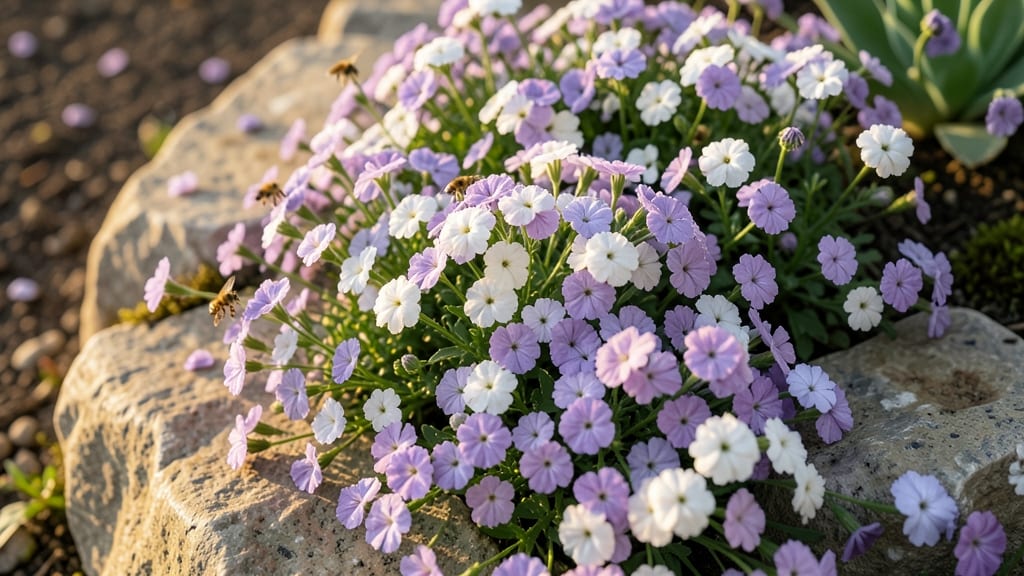
When you need to transform bare spots into fragrant, buzzing havens, sweet alyssum is your secret weapon. These tiny white or purple flowers spill over edges like living confetti, creating a fragrant carpet that honey bees can't resist—especially when other blooms are still dormant.
Perfect for rock gardens, window boxes, or containers, sweet alyssum thrives in full sun to partial shade and blooms continuously from spring until frost. Its low-growing habit (6-12 inches tall) makes it ideal for filling gaps while its drought-tolerant nature means less watering once established. For extra pollinator power, mix varieties like 'Snow Crystals' (white) with 'Violet Queen' (purple) to create a colorful bee buffet.
Urban gardeners and small-space enthusiasts will love how sweet alyssum fills every inch of its container without overwhelming neighbors. Plus, its sweet honey scent lingers in the breeze—nature's free perfume! 🌱
Hyacinth for Fragrant Clusters
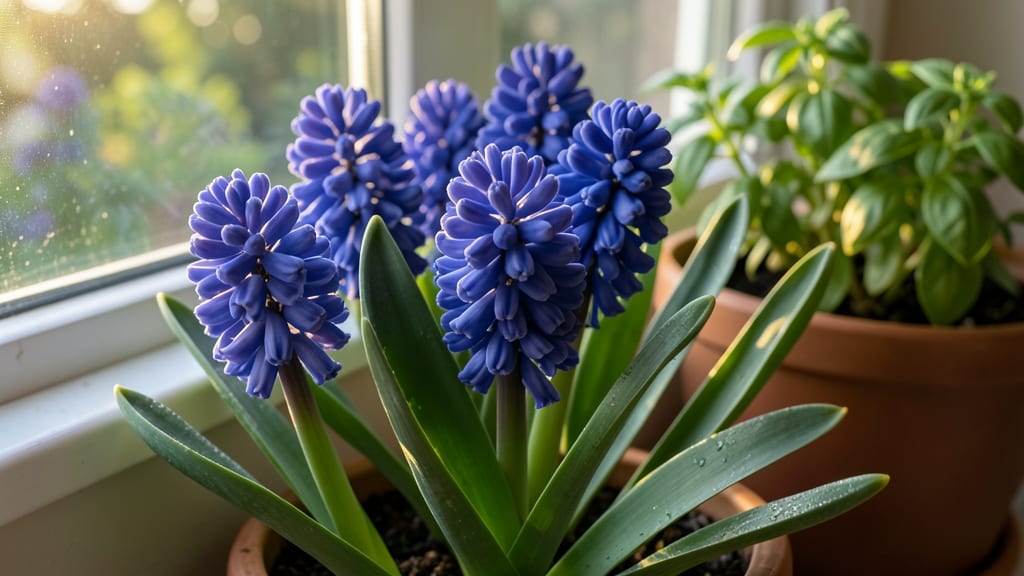
If you crave a small-space garden with a powerhouse scent, hyacinths deliver the perfect punch. Their dense, fragrant clusters—especially the classic 'Delft Blue' variety—fill tiny corners with intoxicating perfume that rivals a full garden’s worth of blooms.
Plant these bulbs in well-draining soil with full sun to partial shade, and they’ll reward you with upright spikes of color in early April. The secret to long-lasting blooms? Water deeply after planting but reduce once flowers appear. Bonus: They’re deer-resistant, making them a low-maintenance star for urban balconies or cottage gardens.
Perfect for gardeners who love romantic, old-world charm without the fuss, hyacinths bring instant elegance to any spring display. 🌷
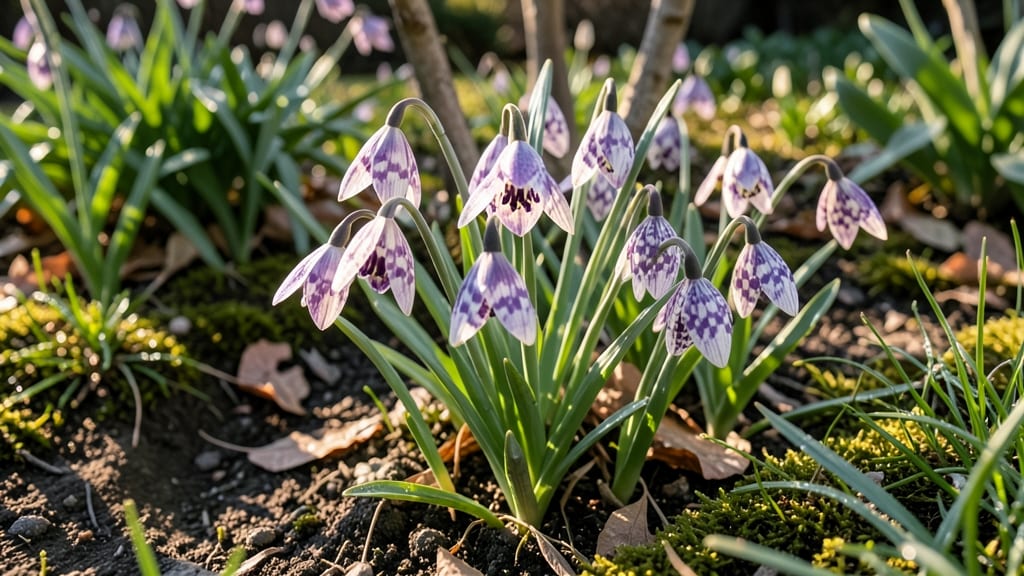
Fritillaria for Whimsical Checkerboard

Transform your garden into a storybook scene with Fritillaria meleagris, also known as the "snake's head" fritillary. These enchanting blooms feature checkerboard-patterned bells that emerge in early April, adding a whimsical touch to sunny garden edges.
To coax these exotic beauties to life, plant bulbs in well-drained soil with full sun exposure. Group them in drifts of 10-15 bulbs for maximum visual impact, creating a fairy-tale carpet of marbled blooms. The narrow, grass-like foliage disappears after flowering, leaving behind a clean, elegant look.
Perfect for woodland gardeners or those seeking unique focal points, fritillarias multiply over time and thrive in USDA zones 3-8. Their striking patterns make them ideal for cottage gardens, meadows, or even container arrangements. 🌷