
Blooming
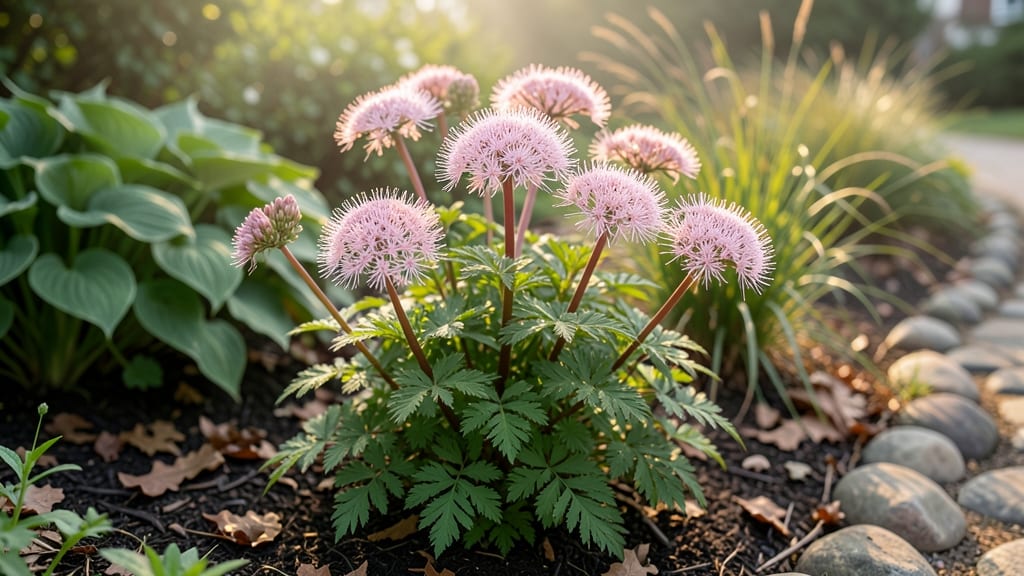
The astilbe bloom season transforms your garden into a soft, feathery dream 🌸 — but only if you plant at the right time.
If you’ve ever dreamed of a garden bursting with pink, red, or white plumes in midsummer, timing your astilbe planting just right is the secret weapon you need. These delicate perennials demand precision for their showstopping display, and missing the window can leave you with underwhelming blooms.
Most astilbes thrive in USDA Zone 6a and beyond, with their peak bloom season stretching from mid-July to August. But regional climate, variety, and even soil moisture play a role in when those iconic plumes appear.
Planting in early spring (March–April) sets the stage for vibrant summer color, while proper care—like deadheading and consistent moisture—extends the show.
In this guide, I’ll break down the exact planting windows, hardiness zones, and care tips to ensure your astilbes put on their best performance. Ready to turn your garden into a summer spectacle?
Astilbe bloom season timeline: when to plant for summer color
Timing your astilbe planting correctly ensures those dreamy feathery plumes burst into color right when your summer garden needs them most. Unlike some perennials, astilbes thrive when planted with their bloom season in mind—typically mid-summer—so let’s break down the exact windows and zones that guarantee success.
Whether you’re in USDA Zone 4 or Zone 8, these details will help you avoid common mistakes like planting too early or missing the ideal fall planting opportunity.
Most gardeners focus on spring planting for astilbes, but fall planting can actually give you a head start on next summer’s blooms. The key is understanding how your local climate and hardiness zone interact with astilbe’s dormancy period.
For example, in Zone 5, you might plant in early May or September, while Zone 7 gardeners can extend their window to October. Let’s align these windows with astilbe’s natural growth cycle to maximize your summer color display.
⚠️ CRITICAL INSIGHT: Astilbes planted in fall establish roots before winter, giving them a 2-3 week earlier bloom than spring-planted varieties. This means June blooms instead of waiting for July or August. The trade-off? Fall planting requires well-draining soil to prevent root rot during winter thaw.
| Planting Window | Hardiness Zones | Bloom Season | Key Consideration |
|---|---|---|---|
| Early Spring | Zones 4-8 | July-August | Plant after last frost; soil temp ≥50°F |
| Fall | Zones 5-9 | June-July (earlier) | 6-8 weeks before first frost; well-draining soil |
| Late Spring | Zones 6-10 | August-September | Best for warm climates; avoid drought stress |
| Container Planting | All Zones | Flexible (May-Oct) | Use fast-draining mix; move indoors in winter |
If you’re in Zone 4 or 5, prioritize spring planting after your last frost date—typically mid-April to early May. Astilbes planted now will establish roots before summer heat arrives, setting them up for peak blooms in August.
Pro tip: In colder regions, choose dwarf varieties like 'Bridal Veil' (1-2 ft tall) to avoid flopping in strong winds or heavy rain.
For Zones 6-8, both spring and fall planting work, but fall offers a competitive edge. Plant 6-8 weeks before your first frost—usually September to early October—to let roots grow before winter.
This strategy pushes blooms into June or early July, giving you a 2-week head start on summer color. Just ensure your soil drains well; astilbes hate soggy roots.
In Zone 9 and warmer, astilbes behave almost like annuals. Plant in late winter or early spring (February-March) to avoid summer dormancy. These climates also allow for year-round container growing, where you can move pots to shaded spots during peak heat.
Varieties like 'Deutschland' (deep red) thrive here with minimal care.
One common mistake is planting astilbes in full sun, which causes their leaves to scorch and blooms to fizzle out. Aim for morning sun and afternoon shade—this mimics their native woodland habitat.
Pair them with hostas or ferns to create a low-maintenance shade garden that blooms from June through September.
To extend your astilbe bloom season, deadhead spent flowers every 2 weeks during peak bloom. This redirects energy to new growth instead of seed production. In Zone 5 and below, cut back foliage to 6 inches tall in late fall to prevent winter rot.
Mulch with 2-3 inches of shredded bark to insulate roots.
For container gardeners, choose smaller varieties like 'Fanal' (pink) or 'Glut' (red) to maximize display. Plant in terracotta pots with moist
5 Key factors that determine astilbe bloom success (and how to control them)
Astilbes are famous for their feathery plumes that transform gardens into summer dreamscapes—but those blooms won’t happen without precision care. I’ve learned that 5 critical factors control whether your astilbes deliver their best show. Master these, and you’ll enjoy longer-lasting, more vibrant blooms from mid-summer through early fall.
The first mistake I made was assuming astilbes were low-maintenance divas—they’re actually delicate performers that demand the right conditions. Too much sun? Faded blooms. Too little water? Wilted stems. Let’s break down these bloom season game-changers so you can give your astilbes the VIP treatment they deserve.
- 🌞 Light Control: Provide 4-6 hours of morning sun only—afternoon shade prevents leaf scorch.
- 💧 Moisture Mastery: Keep soil consistently damp (never soggy) with 1 inch of water weekly during bloom season.
- 🌱 Soil Secrets: Amend with organic matter (compost/peat) to create rich, acidic soil (pH 5.5-6.5).
- 🌿 Fertilizer Timing: Feed with balanced 5-10-10 fertilizer twice in spring—never during bloom season.
- ✂️ Deadheading: Snip spent blooms at base weekly to redirect energy to new flowers.
Let’s start with sunlight exposure, the most common misstep. Astilbes crave partial shade—think dappled sunlight or morning sun with afternoon shade. I once planted mine in full sun, and by July, their leaves turned crispy.
The fix? Move them to a spot where they get bright indirect light for 4-6 hours daily. This keeps foliage lush and blooms vibrant.
Next up is soil moisture, where consistency is key. Astilbes hate dry soil but despise soggy roots too. I’ve found that mulching with shredded bark helps retain moisture while preventing weeds.
During their peak bloom season (July-August), water deeply 2-3 times per week—early morning is best to avoid fungal issues.
Don’t overlook fertilizer timing, which I learned the hard way. Over-fertilizing during bloom season leads to leafy growth at the expense of flowers. Instead, feed with a balanced 5-10-10 fertilizer in early spring and again in late spring.
Skip summer feeding—your astilbes will reward you with bigger, brighter plumes.
The final secret? Deadheading like a pro. I used to ignore this step, but now I snip spent blooms weekly using clean pruners. This encourages continuous blooming and prevents seed formation, which drains the plant’s energy. Pro tip: Wear gloves—astilbe foliage can be slightly irritating to sensitive skin.
With these 5 factors under control, your astilbes will put on a showstopping summer display that lasts for weeks. The key is consistency—give them the right light, water, soil, and care timing, and they’ll repay you with garden-worthy drama every year. 🌿