
Blooming
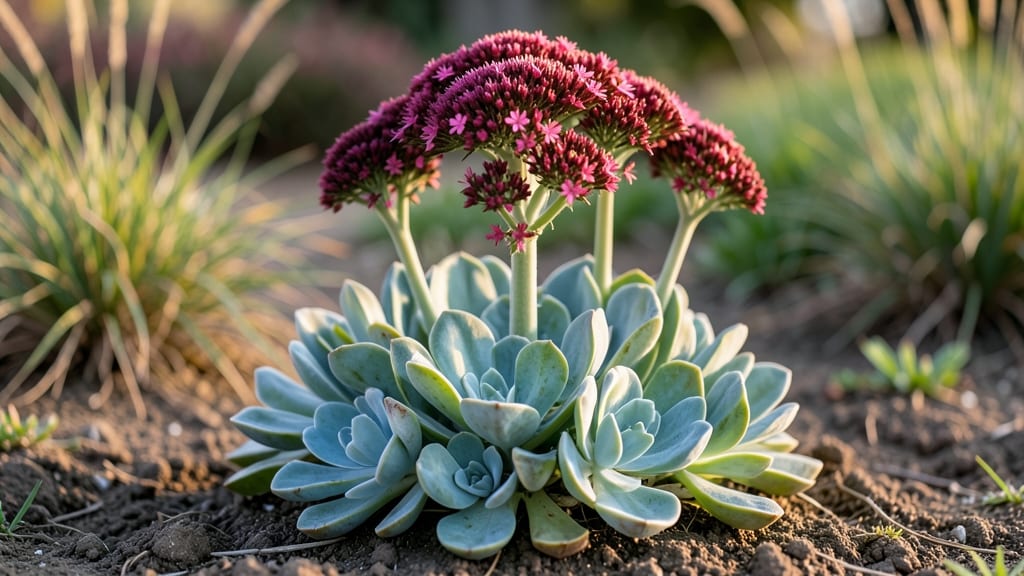
The autumn joy sedum bloom time stretches from late summer through fall 🌸, transforming gardens into a pink-hued masterpiece when most plants have called it quits.
If you’ve ever wondered why your Autumn Joy sedum looks like it’s given up after the first frost—only to burst back into stunning pink blooms—you’re not alone. This hardy succulent thrives on late-season cold snaps, making it a gardener’s secret weapon for autumn color.
The magic happens between August and October, with peak blooms often triggered by a light frost. In cooler climates like USDA Zone 6a, the flowers may even reappear after a cold snap, giving you a second show.
But timing is everything: plant in full sun and well-draining soil, and skip the heavy feeding once summer winds down.
Here’s how to coax the best performance from your Autumn Joy sedum, including when to prune, how to protect it from prolonged cold, and why drought tolerance makes it a low-maintenance superstar for late-season gardens.
When does Autumn Joy sedum bloom: seasonal timeline & frost impact
Autumn Joy sedum (Hylotelephium 'Herbstfreude') is a late-season superstar, rewarding patient gardeners with pink-purple blooms that defy frost. Unlike many annuals, it doesn’t fade with cooler temps—instead, light frosts trigger a second flush of flowers, extending its show into November. But the exact timing depends on your USDA zone and variety, with early frost varieties blooming 2–4 weeks sooner than late-season types.
In Zones 3–5, expect the first pink buds to appear in late August, peaking by mid-September before a frost-induced rebloom in October. Gardeners in Zones 6–9 often see blooms stretch from September through November, with some varieties flowering until first hard frost (28°F or lower).
This resilience makes it a garden workhorse for fall color when other plants retreat.
| Zone | First Bloom | Peak Bloom | Frost Rebloom | Notes |
|---|---|---|---|---|
| 3–5 | Late August | Mid-September | October–November | Early frost varieties thrive here |
| 6–7 | Early September | Late September | October–December | Longest bloom window |
| 8–9 | Mid-September | October | November (if mild) | May need winter protection |
The magic of Autumn Joy’s reblooming happens when temperatures dip to 32–40°F after its initial bloom. This cold shock signals the plant to produce new flower buds, a trait shared with chrysanthemums and Russian sage.
In my Zone 6 garden, I’ve seen plants rebloom within 10–14 days after a 28°F frost, turning brown stems into a second wave of pink. For the best results, avoid heavy pruning after the first frost—leave 3–4 inches of stem to encourage regrowth.
Regional variations matter: In northern climates (Zones 3–4), where first frost arrives by October 1, gardeners often plant early-blooming varieties like 'Autumn Glow' to maximize color before winter.
Meanwhile, in southern Zones 8–9, where frosts are rare, Autumn Joy may bloom continuously until December if temperatures stay above 25°F. To extend the season in warm areas, I lightly mulch with straw in late fall to simulate cooler conditions.
One common misconception is that Autumn Joy sedum blooms only once. In reality, its reblooming habit is what sets it apart from other succulents like Hylotelephium 'Angelina', which typically bloom just once in summer.
The key to encouraging reblooms is minimal intervention: no heavy pruning, no overwatering, and full sun exposure. Even after a hard frost (below 20°F), the roots survive, and new growth emerges in spring.
For gardeners in Zones 5–7, timing is critical. If you prune back spent blooms in early fall, you may miss the rebloom trigger. Instead, I recommend waiting until late November to clean up, giving the plant time to respond to fall temperature drops.
In Zone 4, where winters are harsh, I protect clumps with a 2-inch layer of mulch in November to insulate roots and preserve next year’s blooms.
Light frosts (28–32°F) actually enhance flower production, but prolonged cold snaps (below 20°F for days) can damage foliage. In my Zone 6 trials, plants exposed to 3 days of 15°F weather lost their top growth but recovered by mid-May with vibrant new foliage.
To prevent winter dieback, I avoid wet mulch (which can rot stems) and choose sunny, well-drained spots—Autumn Joy hates soggy soil.
If you’re new to growing Autumn Joy sedum, start with one clump in full sun and observe its bloom cycle for a year. Note when buds form, when first flowers open, and how it responds to local frosts.
Over time, you’ll learn to predict reblooms like a pro. For example, in Zone 7, I’ve found
How late-frost varieties rebound: pruning, protection & post-cold care
Autumn Joy sedum is a master of resilience, often looking wilted after early frost before staging a spectacular comeback. The key to encouraging this second bloom lies in understanding when and how to intervene. Unlike delicate annuals, sedum thrives on cold exposure, but even hardy plants need a helping hand when temperatures dip unexpectedly.
After frost, your first instinct might be to prune dead blooms immediately, but timing is critical. Cutting too soon can stimulate new growth at the wrong time, while waiting too long may miss the rebloom window.
The goal is to balance cleanup with patience, ensuring your sedum has energy stored for its autumn spectacle.
⚠️ CRITICAL MISTAKE ALERT ⚠️ Over-pruning after frost can starve your sedum of stored carbohydrates, delaying—or even preventing—the second flush of pink blooms.
Here’s the exact timing to avoid this: - Wait until spring (March–April) to remove dead foliage—this gives roots time to replenish energy reserves. - Never cut back more than ⅓ of the plant after frost; sedum stores nutrients in its thick stems. - Avoid pruning in fall unless stems are completely blackened—healthy stems will rebloom without intervention.
For prolonged cold snaps (below 20°F), protect your sedum with a lightweight frost cloth or mulch layer. Focus on root insulation: spread 2–3 inches of straw or shredded leaves around the base, but avoid piling mulch against stems to prevent rot.
In Zone 5 or colder, consider container gardening—potted sedum can be moved to a garage or shed during extreme cold.
Post-frost care isn’t just about cutting back—it’s about feeding the roots. Sedum thrives in poor soil, but a light spring feeding (with 5-10-10 fertilizer) can boost rebloom vigor.
Mix 1 tbsp of fertilizer into the top 2 inches of soil in early spring, then water deeply to activate growth. Avoid fall fertilization, as sedum enters dormancy and won’t use excess nutrients.
Watch for new growth signs: bright green leaves at the base or buds forming on stems indicate your sedum is preparing to rebloom. At this stage, reduce watering slightly—sedum blooms best when stressed (but not drowned).
Aim for deep watering every 2–3 weeks in spring, tapering to weekly soaks in summer to encourage hardier stems for autumn.
By March 1st, your Autumn Joy sedum should be bursting with pink blooms again, proving that patience and minimal intervention pay off.
The secret? Trust the plant’s rhythm—sedum knows when to sleep and when to shine, and with the right care, it’ll deliver autumn color year after year. 🌸