
Blooming
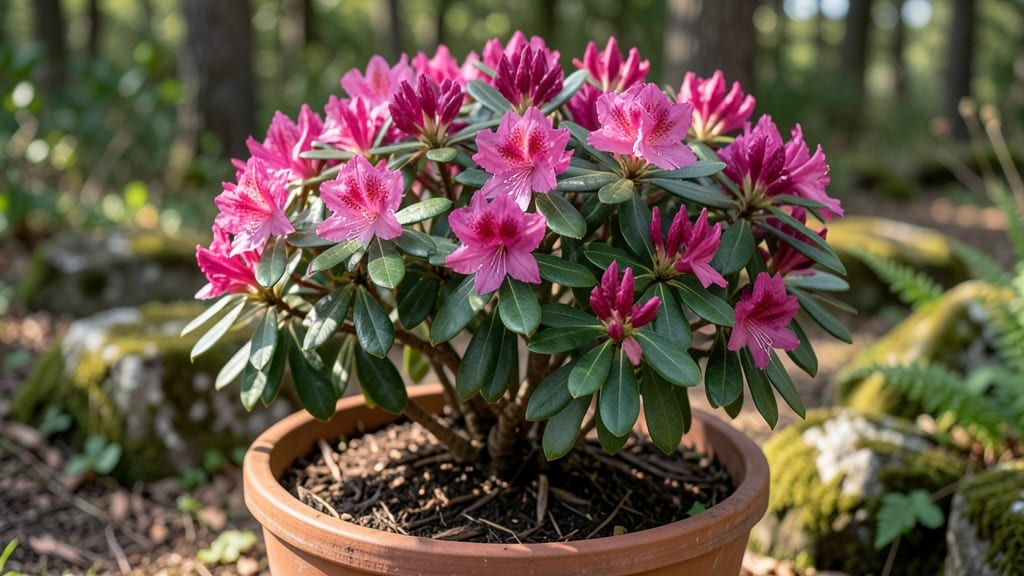
The azalea bloom time bursts into color when most gardens are still waking up—late April to early June in most zones, though frost-battered bushes can surprise you with a second round of blooms by August. 🌸 I’ve watched my own azaleas turn a neighbor’s yard green with envy after a late frost, their purple spikes pushing through like stubborn little soldiers.
The timing isn’t just about the calendar; it’s about how well you’ve prepped the soil, pruned last year’s spent blooms, and shielded them from winter’s harshest moments.
Climate plays tricks on bloom time: Southern gardeners might see azaleas in March, while Northern growers wait until June, if they’re lucky. Varieties like ‘Girard’s Pink’ bloom early, while ‘Hino Crimson’ holds off until late spring.
The secret to coaxing consistent blooms? Well-draining, acidic soil (think pine mulch or peat moss) and spring feeding with a slow-release fertilizer. Skip the heavy hand—azaleas reward patience, not force.
After the last petal falls, don’t celebrate just yet. Prune spent blooms back to the first set of leaves (but never cut into old wood—you’ll sacrifice next year’s flowers).
Then, while the bushes are still leafy, spread a 2-3 inch layer of mulch to protect roots from summer’s heat and winter’s freeze. This one-two punch keeps your azaleas blooming reliably for decades, their purple spikes becoming the garden’s crowning glory.
For those in Zone 5 or colder, a thick blanket of evergreen boughs over the roots in late fall can mean the difference between a bare bush and a second summer flush of blooms.
And if your azaleas ever skip a season? Check the soil pH—too alkaline, and they’ll sulk. A simple test kit and a handful of sulfur can turn things around faster than you’d expect.
📚 In This Guide
- What you need
- Instructions
- Tips and common mistakes
- Wrapping up and next steps
What you need
- ● Azalea plants: Choose Rhododendron varieties like ‘Girard’s Pink’ or ‘Hino Crimson’ (hardy to USDA Zones 5-9). 1-3 plants per container or garden bed.
- ○ Well-draining acidic soil: Mix 2 parts peat moss or pine bark with 1 part perlite and 1 part garden soil (pH 4.5–6.0). Test soil pH with a kit (optional but recommended).
- ● Organic mulch: 2–3 inches of pine straw, wood chips, or shredded bark to retain moisture and acidity.
- ● Slow-release fertilizer: 10-10-10 or 8-3-9 (acid-loving plant formula). Apply 2–3 times per year (spring, summer, fall).
- ● Watering can or hose with a gentle spray nozzle: Azaleas hate soggy roots—aim for 1–1.5 inches of water weekly.
- ● Pruning shears: Sharp, sterilized (disinfect with rubbing alcohol between cuts).
- ● Garden gloves: Protect your hands from thorns and acidic soil.
- ○ pH test kit: Ensures soil acidity is optimal (optional but helpful).
- ● Frost cloth or row covers: Lightweight fabric (5–7 oz) to shield young blooms from late frosts.
- ● Staking or supports: For heavy-blooming varieties (e.g., ‘Bowl of Beauty’).
- ● Epsom salt: 1 tablespoon per gallon of water (monthly foliar spray for magnesium boost).
- ● Azalea-specific fungicide: Preemptive treatment for powdery mildew (e.g., Neem oil).
- ● Decorative rocks or bark: For a polished garden bed look.
- ● Weather monitor: Track last frost dates in your zone (e.g., Old Farmer’s Almanac).
How to time azalea blooms for stunning purple displays
Here's how I coax my azaleas into blooming reliably—even after winter's harshest freezes.
🌱 Step 1: Understand Your Azalea's Chill Requirements
Most azaleas need 600-900 hours below 45°F to trigger buds. Southern varieties like Encore or Southern Indica need fewer chill hours (300-500), while Northern types like Rhododendron catawbiense demand full winter exposure. Check your plant's tag or variety—this is your first clue.
If you live in a mild climate, I recommend forcing dormancy by moving potted azaleas to a garage or unheated porch during winter. A 10-14 day cold snap (below 40°F) can often bridge the gap. Watch for buds forming in late winter—that's your signal the plant is ready to bloom.
⏰ Step 2: Time Your Spring Care for Peak Bud Development
Prune azaleas right after blooming (not in fall) to avoid cutting off next year's flower buds. I wait until all petals drop and new leaves appear before trimming. Remove only dead or crossing branches—never cut into old wood. Healthy growth means better bud formation.
Feed with acid-loving fertilizer (like 10-10-10 with sulfur) in early spring when you see new growth. Azaleas hate alkaline soil—test your pH (ideal range: 4.5-6.0). If your soil is too alkaline, amend with pine needles or peat moss and re-test in 6 months.
☀️ Step 3: Provide the Right Light and Moisture Balance
Azaleas thrive in morning sun and afternoon shade—too much direct sun scorches leaves and buds. I place mine where they get 3-4 hours of morning sunlight and afternoon dappled light. In hot climates, afternoon shade is critical to prevent bud drop.
Water deeply once a week (more in extreme heat) to keep soil evenly moist but not soggy. I check by sticking my finger 2 inches deep—if it's dry, water thoroughly. Overwatering causes root rot, which kills buds before they open. Mulch with 2-3 inches of pine bark to retain moisture and acidify the soil slowly.
✂️ Step 4: Protect Buds During Late Freezes
Late spring frosts (below 28°F) can destroy open buds. I cover my azaleas with frost cloth the night before a freeze, securing edges with rocks or bricks. Remove the cloth when temperatures rise above 32°F—trapped heat can damage leaves.
If buds form but don't open, it could mean too little chill hours or nutrient stress. I add a light application of Epsom salt (1 tablespoon per gallon of water) to encourage blooming. Watch for buds swelling in late winter—that's your cue to start protecting them from late frosts.
🌿 Step 5: Enjoy and Plan for Next Year's Blooms
Once blooms fade, deadhead spent flowers by cutting stems back to the first set of leaves. This redirects energy to next year's buds. I also take photos of my azaleas in bloom to compare year-to-year progress—it's amazing how much healthier they look after proper care.
For repeat blooming, prune lightly in mid-summer to shape the plant and encourage new growth. This second flush of growth often produces smaller but later blooms. By late fall, I stop fertilizing to let the plant harden off naturally for winter.
Tips & tricks for perfect azalea bloom timing
Let me share the secrets I’ve learned after years of coaxing azaleas into their best blooms—especially after tough winters.
Chill Hours Tracking: Use a weather app or garden journal to log temperatures below 45°F. I set reminders every 24 hours to record the hours—this helps me know exactly when my azaleas have met their chill requirements. For Southern varieties needing just 300-500 hours, I often move potted plants to a cooler garage space to accumulate those critical hours faster.
Pruning Precision: Never prune azaleas in fall—this is the biggest mistake I see! Wait until all petals have dropped and new leaves appear (Step 2). I always carry pruning shears with me during spring walks so I can trim immediately when I notice blooms fading. This ensures I don’t accidentally cut off next year’s flower buds.
Light Positioning: The morning sun/afternoon shade rule is non-negotiable for vibrant blooms. I test spots by observing how quickly leaves wilt in direct afternoon sun—if they start curling by noon, that’s too much exposure. For container azaleas, I rotate them weekly to ensure even light distribution all around the plant.
Frost Protection Strategy: When late frosts threaten (below 28°F), I cover azaleas with frost cloth the night before and secure it tightly with bricks or stakes. The key is removing the cloth as soon as temperatures rise above 32°F—trapped heat can scorch leaves faster than the frost itself. I keep a thermometer nearby to monitor this transition precisely.
Pro Tips for Azalea Bloom Time
- Let me share the secrets I’ve learned after years of coaxing azaleas into their best blooms—especially after tough winters.
- Chill Hours Tracking: Use a weather app or garden journal to log temperatures below 45°F.
- Pruning Precision: Never prune azaleas in fall—this is the biggest mistake I see!
Frequently asked questions
Got questions about azalea bloom time?
You’re not alone! Here are answers to the most common queries—from timing tricks to frost recovery—so you can keep those vibrant blooms coming back year after year.
When do azaleas bloom after a late frost?
Azaleas are tough! A late frost may delay blooms by 2–4 weeks, but they’ll still flower in spring (typically April–June, depending on your zone). Evergreen azaleas (like Rhododendron species) often bloom earlier than deciduous types. Prune damaged branches after blooming to avoid cutting off next year’s buds.
Can I force azaleas to bloom earlier or later?
Nope—azalea bloom time is genetically set and tied to daylight/chill hours. However, you can extend the show by choosing varieties with staggered bloom periods (e.g., early ‘George L. Taber’ or late ‘Girard’s Vanilla’). For container-grown plants, move them to a cooler, shaded spot in summer to encourage next year’s buds.
Why did my azalea bloom poorly this year?
Poor blooms often stem from stress. Check for:
- Over-fertilizing (too much nitrogen = leaves, not flowers!)
- Wrong pH (azaleas love acidic soil, 4.5–6.0)
- Drought or root-bound pots (water deeply 1–2x/week)
- Frost damage to buds (prune dead wood in spring)
Are there azalea varieties that bloom twice a year?
Most azaleas bloom once per year, but a few reblooming varieties (like ‘Kaleidoscope’ or ‘Tiny Wine’) can produce secondary flowers in late summer if you:
- Deadhead spent blooms promptly (but leave some for seed pods!)
- Fertilize lightly after the first bloom (use half-strength)
- Keep soil moist but not soggy
How do I protect azaleas from late-season frost?
Azaleas can handle light frost (down to 20°F/-7°C), but budding flowers are vulnerable. Use these tricks:
- Cover plants with frost cloth or a lightweight blanket (remove by midday!)
- Water deeply before frost (hydrated plants resist cold better)
- Avoid pruning in late winter (new growth is frost-sensitive)
- Group plants together to create microclimates
Wrapping up and next steps
Watching your azaleas bloom after frost is a rewarding experience that blends patience with nature’s resilience. Remember, timing, soil prep, and frost protection are key—so don’t rush the process! Whether you’re a seasoned gardener or a curious beginner, your purple spikes will thank you with vibrant, repeat blooms.
Ready to transform your garden? Start by marking your calendar for next year’s frost dates and explore frost-hardy azalea varieties to keep the magic alive. Happy gardening! 🌸