
Blooming
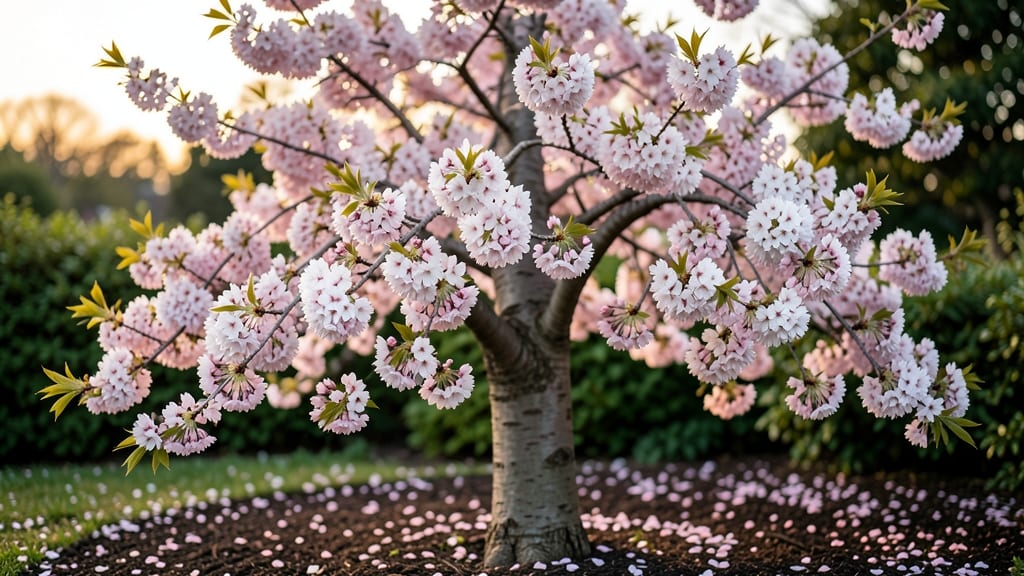
The cherry blossom tree bloom time in your region is the one-week window that transforms your backyard—or a famous park—into a sea of pink and white.
Picture this: you’ve packed the picnic basket, reserved the park bench, and even dressed in layers for the unpredictable spring weather. But when you arrive, the trees are still bare—or worse, the petals are already falling. Timing is everything, and missing the peak can mean missing the magic entirely.
Bloom time varies wildly depending on where you live. In USDA Zone 6a, like much of the Midwest, expect those iconic 🌸 bursts between late March and early April.
But in warmer zones like 8 or 9, blossoms might appear as early as February, while colder climates could push it into May. Even within the same city, microclimates can shift the window by days—or even weeks.
Here’s how to pinpoint your exact bloom forecast, adjust for your local climate, and plan your spring activities so you never miss a single petal.
Cherry blossom bloom time by USDA hardiness zones: exact months to expect
If you've ever dreamed of strolling beneath a canopy of pink cherry blossoms, timing is your secret weapon. The USDA hardiness zone you live in directly influences when Prunus serrulata and its cultivars burst into bloom.
In Zone 3, expect a late April show, while Zone 9 gardeners might see flowers as early as February. Understanding these windows helps you plan picnics, photography sessions, or simply enjoy nature's fleeting spectacle at its peak.
Cherry blossoms are famously short-lived, with 7-14 days of peak bloom per tree. The exact timing varies by cultivar—some like 'Yoshino' bloom earlier, while 'Kwanzan' often lingers longer.
Urban trees may bloom 1-2 weeks earlier than rural counterparts due to the heat island effect. Let's break down what to expect in your region.
| USDA Zone | Early Bloom | Peak Bloom | Late Bloom | Popular Cultivars |
|---|---|---|---|---|
| Zone 3 | Late April | Early May | Mid-May | 'Stella Compacta' |
| Zone 4 | Mid-April | Late April | Early May | 'Mount Fuji' |
| Zone 5 | Early April | Mid-April | Late April | 'Kwanzan' |
| Zone 6 | Late March | Early April | Mid-April | 'Yoshino' |
| Zone 7 | Mid-March | Late March | Early April | 'Autumnalis' |
| Zone 8 | Early March | Mid-March | Late March | 'Shirofugen' |
| Zone 9 | Late February | Early March | Mid-March | 'Amanogawa' |
In Zone 3, where winters are harsh, cherry blossoms wait until late April to bloom, often aligning with the last frost date. This timing ensures buds survive sub-zero temperatures that would otherwise damage delicate flowers.
The 'Stella Compacta' cultivar is a reliable choice here, as it handles cold snaps better than many others.
Moving south to Zone 5, you'll find 'Kwanzan' cherry trees putting on a show in mid-April. This cultivar is prized for its dark pink, double blooms that last longer than average, making it a favorite for gardeners who want extended viewing.
In urban areas like Chicago or Minneapolis, these trees often bloom 7-10 days earlier than their rural counterparts.
For gardeners in Zone 7, the 'Autumnalis' cherry blossom is a game-changer. Unlike most varieties, it blooms twice a year—once in late March and again in fall.
This reblooming trait makes it perfect for regions with mild winters, where traditional cherry blossoms might struggle. Plant it in full sun and well-draining soil to encourage this unique behavior.
If you live in Zone 9, you're in the sweet spot for early bloomers like 'Amanogawa', which often starts flowering in late February. These trees thrive in mild winters and can even produce partial blooms in fall.
However, be cautious—late frosts after blooming can damage flowers. Monitor local forecasts and consider planting near a south-facing wall to protect buds from unexpected cold snaps.
No matter your zone, tree age plays a crucial role in bloom timing. Young trees (3-5 years old) may bloom 2-3 weeks later than mature specimens.
For example, a 10-year-old 'Yoshino' in Zone 6 will likely peak in early April, while a 3-year-old might not reach full bloom until mid-April. Patience is key—give
How climate and tree age affect cherry blossom bloom time
Understanding why your cherry blossom tree blooms when it does starts with two major factors: climate patterns and tree maturity. These elements work together to determine whether you'll see those iconic pink clouds in early March or late April.
For example, a young tree in Zone 6 might bloom weeks later than a mature specimen in the same area, simply because it hasn't reached full flowering potential.
Temperature fluctuations play a crucial role too. Cherry blossoms need a period of chilling hours (typically 500-1,000 hours below 45°F) followed by warm days to trigger blooming. Urban trees often bloom earlier than rural ones due to the heat island effect, where pavement and buildings trap warmth.
Meanwhile, sunlight exposure can shift bloom timing by up to 10 days—trees in partial shade may delay blooming until they receive consistent light.
- 1
- 2
- 3
- 4
If you're planting a cherry blossom in an urban area, expect blooms to arrive earlier than rural forecasts suggest. For instance, Washington D.C.'s famous Tidal Basin trees often bloom in late March, while similar trees in nearby suburban areas might wait until early April.
This urban advantage can be a game-changer if you're planning a bloom-viewing event—just account for the heat island effect!
Tree age is equally critical. A 5-year-old tree may produce sparse blooms that arrive weeks after its mature counterpart. For example, a 'Kwanzan' cherry blossom planted in spring might not reach full bloom until its 7th year.
Patience is key—young trees invest energy in root systems before prioritizing flowers. To encourage earlier blooms, ensure your tree gets full sun exposure and balanced fertilization in early spring.
Adjusting your expectations based on these factors can transform disappointment into delight. For example, if you planted a tree last year and it hasn't bloomed yet, don't panic—it might simply need another year to mature.
Meanwhile, if you're in a warmer microclimate, like a south-facing yard, your tree could bloom weeks ahead of schedule. Tracking local bloom reports and comparing them to your tree's age and location will help you predict the perfect viewing window each year.
Remember, cherry blossoms are nature's fleeting masterpiece—understanding these variables ensures you'll never miss the show. Whether you're a first-time planter or a seasoned gardener, these insights will help you anticipate bloom time with confidence. 🌸