
Blooming
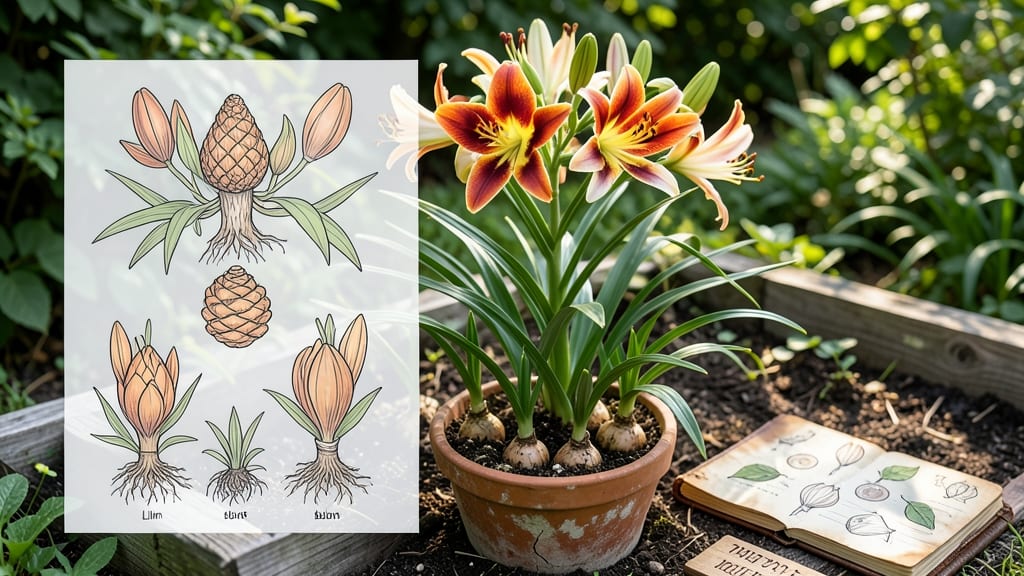
Asiatic lilies do not typically bloom more than once per season, as they produce their vibrant flowers in early summer before entering dormancy. However, certain varieties and ideal growing conditions—like consistent moisture and partial shade—can sometimes encourage limited reblooming.
Asiatic lilies focus their energy on storing nutrients in their bulbs after their first bloom, which is why they usually produce flowers just once a year. 🌸 This natural cycle is tied to their growth patterns—when they're in full bloom, they're also preparing for dormancy.
That said, some hybrid varieties, like 'Stargazer' or 'Casa Blanca,' are bred to have a slightly higher chance of reblooming if you provide the right care, including regular fertilization and proper watering during their growing season.
What makes this tricky is that even with the best care, reblooming isn't guaranteed. The key is to support the plant's health year-round, from spring planting to winter mulching.
I've found that keeping the soil consistently moist (but not waterlogged) and providing partial shade during hot afternoons helps extend the blooming window for some varieties. Just remember—patience is key, as it can take a full season or two to see any repeat blooms.
💡 In This Article
- Why Asiatic Lilies Usually Bloom Once Per Year
- Tips to Encourage Asiatic Lily Reblooming
Why Asiatic lilies usually bloom once per year
Asiatic lilies follow a strict biological cycle where their primary energy focus shifts from flowering to bulb storage after their first bloom. This single-bloom pattern stems from their natural adaptation to store nutrients in underground bulbs during dormancy, ensuring survival through harsh seasons.
The flowering process itself is metabolically expensive—producing those vibrant blooms requires significant energy reserves that the plant prioritizes over additional cycles.
Seasonal triggers play a crucial role in this cycle. Asiatic lilies typically bloom in early summer when daylight hours reach their peak (around 14-16 hours of sunlight) and temperatures stabilize between 60-75°F.
After flowering, the plant enters a 6-8 week period of bulb maturation where it redirects energy to storing carbohydrates and nutrients in the bulb. This process prepares them for winter dormancy, making additional blooming biologically unsustainable without significant external support. 🌱
Climate zones further influence this pattern. In colder regions (USDA zones 3-6), lilies experience more pronounced seasonal changes that trigger their dormancy cycle. The cooler temperatures and reduced daylight hours act as natural signals to pause growth and focus on bulb development.
Even in warmer climates, the plant's internal clock remains synchronized with these seasonal cues, making spontaneous reblooming rare without intervention.
What most gardeners don't realize is that the plant's flowering mechanism is tied to its bulb's energy reserves. Each bloom requires 20-30% of the bulb's stored energy**, leaving insufficient resources for a second cycle.
The bulb's size and health directly correlate with blooming potential—larger bulbs (typically 2-3 inches in diameter) have more stored energy but still prioritize single-season flowering unless given special care conditions.
Interestingly, Asiatic lilies differ from their Oriental lily cousins in this regard. Oriental lilies have a more flexible energy allocation system, often producing multiple blooms per season when given proper care. This botanical distinction explains why some gardeners mistakenly assume all lilies have similar reblooming potential.
The key difference lies in their genetic programming—Asiatic lilies evolved with a more conservative energy strategy focused on bulb longevity rather than frequent flowering.
Understanding this natural cycle helps explain why even well-cared-for Asiatic lilies rarely produce second blooms. The plant's biological priorities are clear: first secure the bulb's future, then (and only then) consider additional flowering.
This survival strategy has served them well across their native ranges in Asia, where unpredictable seasons favor energy conservation over repeated blooming efforts. ✨