How To
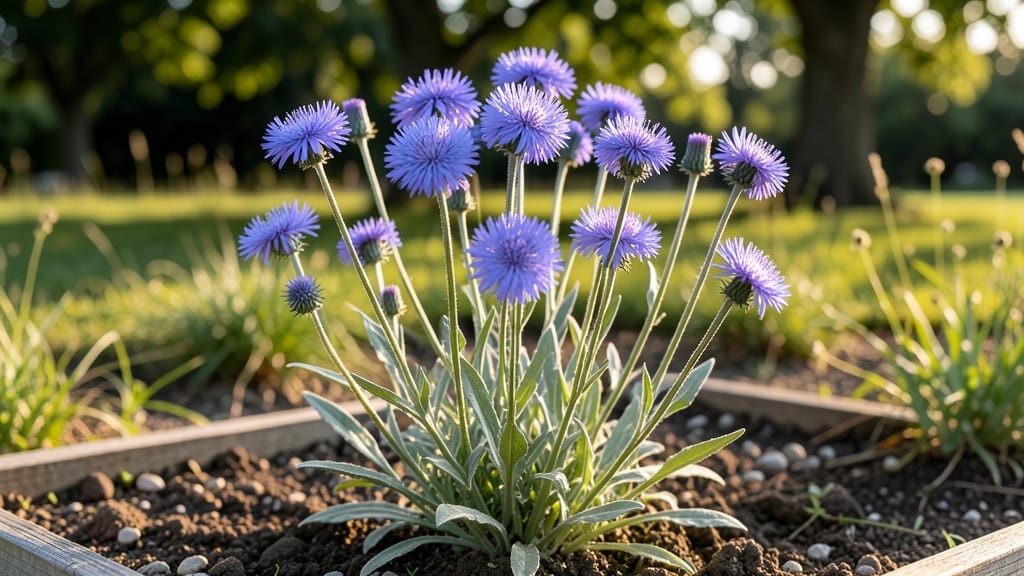
Bachelor buttons bloom all summer only when given optimal growing conditions—most annual varieties flower from late spring through early fall, while perennials may extend blooms into late summer with proper deadheading, full sun exposure, and consistent moisture.
Bachelor buttons are summer's workhorses, but their bloom duration depends heavily on variety and care. 🌸 Annual types like Centaurea cyanus typically peak from June through August, while hardier perennials such as Centaurea montana may start earlier in spring and stretch into September.
The key to summer-long color lies in deadheading spent blooms weekly—this encourages new flower production and prevents the plant from redirecting energy to seed development.
I've found that mulching around the base helps retain moisture during dry spells, which is especially critical in hotter climates where drought stress can shorten the flowering season.
For those in cooler regions, late-summer varieties like 'Blue Boy' or 'Black Ball' often perform best, while heat-tolerant types such as 'Red Velvet' may continue blooming well into September with proper attention. The secret isn't just about timing—it's about creating the right environment.
Well-drained soil rich in organic matter and a location with at least 6-8 hours of direct sunlight daily sets the stage for continuous flowering. Without these basics, even the hardiest varieties may fade by mid-summer.
💡 In This Article
- Bachelor Button Bloom Duration by Variety
- Extending Bachelor Button Blooms: Deadheading and Care Tips
Bachelor button bloom duration by variety
Bachelor buttons' summer-long displays hinge on their botanical classification. Annual varieties like Centaurea cyanus (common bachelor's button) typically bloom from June through August, producing vibrant blue-purple flowers that attract pollinators.
These plants complete their life cycle in one season, so their flowering window depends entirely on when they're planted—earlier sowings yield earlier blooms. In contrast, perennial types such as Centaurea montana (blue bachelor's button) often start flowering in late spring and may continue through September if conditions are right.
The difference comes down to growth habits and root systems. Perennial varieties develop extensive root networks that store nutrients, allowing them to rebound after each bloom cycle.
Annuals, however, rely solely on current-season growth, making them more sensitive to environmental stress. 🌿 For example, in USDA Zone 5, perennial bachelor buttons might begin flowering as early as May and persist until first frost, while annuals planted in June may only bloom for 6-8 weeks unless succession-planted.
Climate plays a surprisingly large role in extending blooms. In hotter southern regions (Zones 8-10), bachelor buttons often suffer from heat stress after July, causing flowers to wilt prematurely. The solution? Choose heat-tolerant varieties like 'Red Velvet' or provide afternoon shade during peak summer months.
In cooler northern climates (Zones 3-5), the limiting factor becomes daylight hours—longer summer days naturally prolong flowering, while shorter autumn days trigger dormancy.
Color also impacts bloom duration. Darker varieties like 'Black Ball' tend to have slightly shorter flowering seasons because their deep pigments absorb more heat, accelerating stress. Lighter hues like pale blue or white reflect sunlight better, helping plants maintain vigor longer.
This is why gardeners often mix varieties—combining early bloomers (like 'Blue Boy') with late-season performers (like 'Moonlight') creates continuous color from May through September.
Don't overlook the role of companion planting. Bachelor buttons thrive when paired with low-growing perennials that suppress weeds and retain moisture, such as thyme or creeping phlox. These ground covers create a microclimate that keeps soil temperatures stable—critical for root health during summer's heat.
Without proper companions, bachelor buttons may allocate energy to competing with aggressive weeds rather than producing flowers.
For those aiming for true summer-long blooms, the secret lies in selecting the right mix: 30% early-season perennials, 50% mid-season annuals, and 20% late-blooming varieties.
This staggered approach ensures that as one type fades, another takes over, creating a 12-16 week continuous display when combined with proper deadheading.