
Blooming
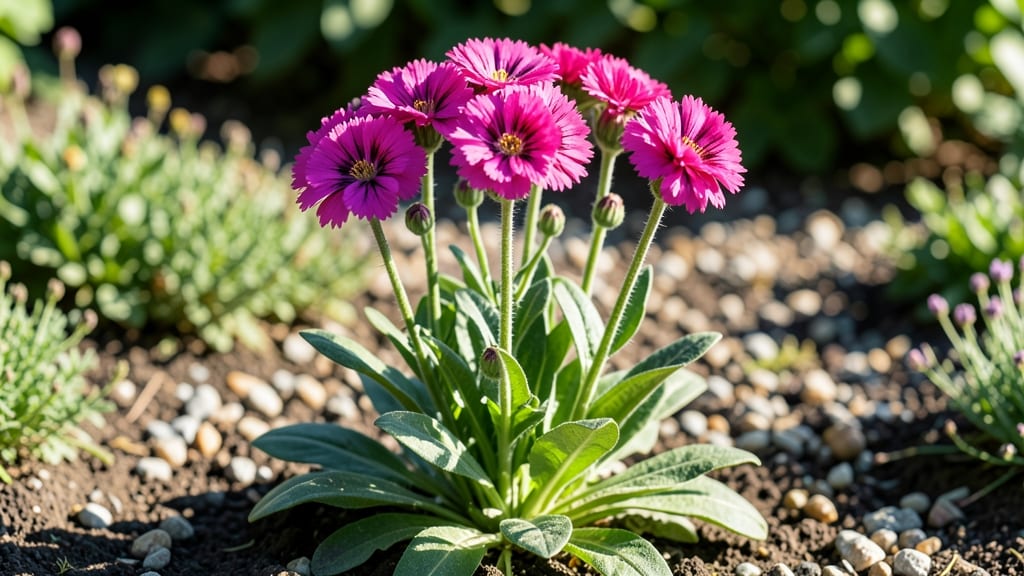
Yes, many dianthus varieties bloom all summer long, particularly heat-hardy types such as Dianthus barbatus (Sweet William) and Dianthus chinensis, which continue flowering when you consistently remove spent blooms and provide full sun. Some perennial cultivars may need a brief mid-summer rest before reblooming in autumn.
Dianthus plants actually have two main blooming strategies: continuous flowering in annual varieties and seasonal cycles in perennials. 🌸 The key to summer-long color lies in proper care—regular deadheading (removing faded flowers) signals the plant to produce more blooms, while consistent moisture prevents stress during heatwaves.
I've found that mulching around the base helps maintain even soil temperatures, which is crucial for heat-tolerant types like Dianthus caryophyllus (carnation dianthus). For perennials, the mid-summer dormancy period is normal and helps them store energy for fall reblooms.
What often surprises gardeners is how sunlight affects bloom duration. Most dianthus varieties need at least 6-8 hours of direct sun daily to perform their best, though some shade-tolerant types can handle partial sun. The trade-off?
Less sunlight often means fewer blooms but longer individual flower life. I recommend monitoring your plants' response to local climate—some regions may require afternoon shade in peak summer to prevent wilting while still maintaining bloom production.
💡 In This Article
- How Dianthus Varieties Differ in Summer Blooming Patterns
- Tips to Extend Dianthus Blooms Through Hot Months
How dianthus varieties differ in summer blooming patterns
The blooming habits of dianthus depend entirely on whether you're growing annual or perennial varieties. Annual types like Dianthus barbatus (Sweet William) and Dianthus chinensis are bred to flower continuously from early summer until frost, producing new buds along their stems as long as you remove spent blooms.
Their growth cycle is triggered by heat and daylight length, with peak flowering occurring when daytime temperatures reach 75-85°F. These varieties rely on a process called photoperiodism, where longer daylight hours stimulate flower production.
Perennial dianthus, including Dianthus caryophyllus (carnation) and Dianthus gratianopolitanus (pinks), follow a different pattern. Most perennials enter a natural mid-summer dormancy when daytime temperatures exceed 90°F for prolonged periods. This isn't a sign of failure—it's an energy-conservation mechanism where the plant redirects resources to root development.
The good news? With proper care, these varieties typically rebound in late summer or early fall with even more vibrant blooms than their spring displays.
Sunlight exposure creates dramatic differences in blooming patterns. Annual varieties need full sun (6+ hours daily) to maintain continuous flowering, while perennial types can sometimes tolerate partial shade (3-6 hours) in hot climates. The reason?
Annuals prioritize above-ground growth and bloom production, while perennials invest more in root systems. I've noticed that shade-tolerant perennials often produce larger individual flowers but with shorter overall bloom seasons compared to their sun-loving counterparts.
Soil moisture plays a critical role in extending summer blooms. Annuals generally require consistent moisture (1-1.5 inches per week) during active growth, while perennials prefer moderate watering (1 inch per week) to prevent root rot.
The key difference lies in their water storage capacity—annuals have shallow root systems that dry out quickly, while perennials develop deeper roots that store moisture. Overwatering either type can lead to powdery mildew, a fungal disease that appears as white, powdery patches on leaves and stems.
Heat tolerance varies significantly between varieties. Some modern hybrids like 'Firewitch' series dianthus have been bred to handle temperatures up to 100°F while maintaining bloom production. These heat-tolerant types often have thicker, waxier leaves that reduce water loss through transpiration.
In contrast, traditional varieties may show signs of heat stress like wilting or leaf scorch when temperatures exceed 85°F for more than a few days.
What most gardeners don't realize is how soil composition affects blooming duration. Dianthus prefers well-draining, slightly alkaline soil (pH 6.0-7.5). In heavy clay soils, roots can suffocate, leading to reduced flowering. Amending with coarse sand or perlite creates the ideal porous structure that prevents waterlogging.
I've found that adding a 2-inch layer of gravel beneath planting holes dramatically improves drainage for summer blooming performance.
The most reliable way to predict summer blooming success is understanding your specific variety's native growing conditions. Mediterranean dianthus species naturally experience hot, dry summers and have adapted to bloom prolifically under these conditions.
By mimicking these natural patterns—providing adequate sunlight, proper drainage, and strategic watering—you can extend the blooming season by 4-6 weeks beyond what's typical for your climate zone.