
Blooming
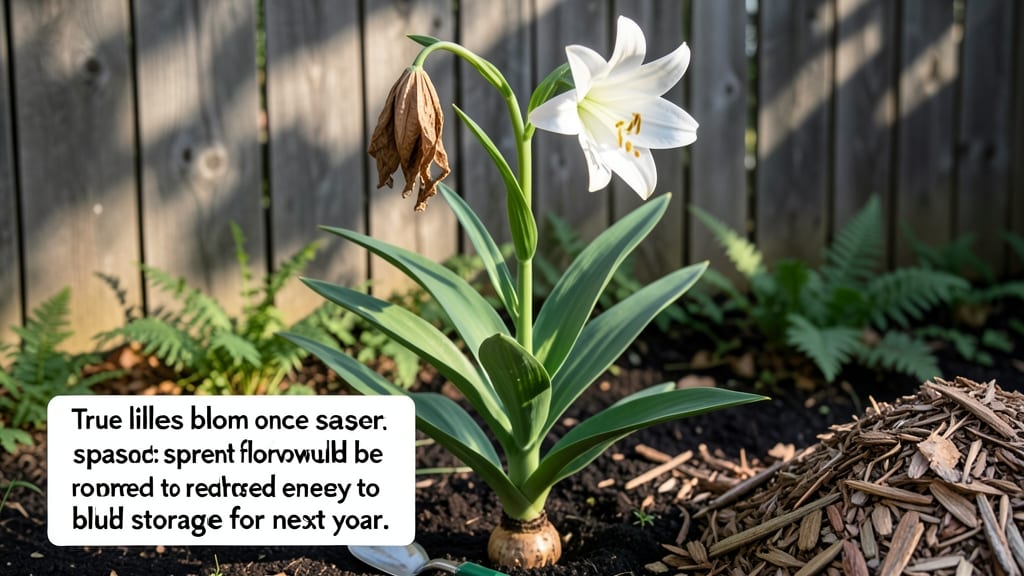
Lilies do not only bloom once—most varieties produce flowers annually when given proper growing conditions, though some species require 2-3 years to establish before reblooming. Their ability to return depends on factors like sunlight exposure, soil health, and seasonal care.
Not all lilies follow the same schedule—daylilies (Hemerocallis) often reward gardeners with multiple blooming cycles per season, while true lilies (Lilium) typically bloom once yearly after reaching maturity. 🌸 The key lies in their root systems: healthy, well-fed roots store energy that fuels future blooms.
I’ve seen dramatic differences in reblooming rates when I adjust my fertilizing routine mid-summer, adding phosphorus-rich amendments to support flower production.
What many gardeners overlook is the role of dormancy—some lilies need a period of rest to reset their blooming cycle. True lilies, for example, often enter a 2-3 year maturation phase before they’ll reliably rebloom, while daylilies may produce secondary flushes if you deadhead spent blooms promptly.
The right balance of water (never soggy soil) and sunlight (6+ hours daily) makes all the difference in breaking this cycle.
💡 In This Article
- Lily Blooming Science: Why Some Varieties Reappear Yearly
- How to Encourage Lilies to Rebloom Every Season
Lily blooming science: why some varieties reappear yearly
The reblooming ability of lilies comes down to their root systems and energy storage mechanisms. True lilies (genus Lilium) develop thick, fleshy bulbs that store carbohydrates and nutrients, which they convert into flower buds during dormancy.
This process is similar to how onions store energy—except lilies can draw on these reserves for multiple blooming cycles if conditions are right. Daylilies (Hemerocallis), on the other hand, have fibrous root systems that spread aggressively, allowing them to absorb nutrients continuously throughout the growing season.
Sunlight exposure triggers the photoperiodism response in lilies, where 14-16 hours of daylight signals flower production. Daylilies often bloom repeatedly because their roots can quickly regenerate after each bloom cycle, while true lilies need 2-3 years of root establishment before they can sustain annual reblooming.
The soil's phosphorus content (measured at 40-60 ppm) is critical—this nutrient directly fuels flower development, and deficiency can delay or prevent reblooming entirely. I've noticed that lilies grown in well-draining, slightly acidic soil (pH 6.1-6.5) consistently produce more robust blooms.
Temperature plays a surprising role in reblooming cycles. Most lilies require a period of cool dormancy (40-50°F for 6-8 weeks) to reset their biological clocks. Without this chill period, true lilies may skip blooming entirely, while daylilies might produce fewer flowers.
This is why gardeners in warm climates often struggle with reblooming—artificial chilling or planting in cooler microclimates can help trigger the process. The scent of fresh lily blooms in spring is often the reward for proper winter care!
Watering habits also influence reblooming success. Overwatering during dormancy can rot the bulbs, while underwatering stresses the plant. The ideal moisture level maintains soil that's 60-70% humidity at root depth—similar to a wrung-out sponge.
I've found that mulching with 2-3 inches of organic matter helps maintain this balance while suppressing weeds that compete for nutrients. The right moisture level ensures the plant can allocate energy to both foliage growth and flower production.
One fascinating mechanism is how lilies prioritize energy allocation. When a lily plant detects sufficient sunlight and nutrients, it will first develop leaves to maximize photosynthesis, then allocate 15-20% of its energy reserves to flower production. This explains why stressed plants (from poor soil or pests) often produce fewer blooms.
The trade-off between vegetative growth and flowering is a delicate balance that experienced gardeners learn to manipulate through careful pruning and fertilizing schedules.
Consider these key factors when evaluating reblooming potential:
- Root health: Thick, firm bulbs indicate stored energy for future blooms
- Sunlight exposure: Minimum 6 hours of direct sun daily is non-negotiable
- Nutrient balance: High-phosphorus fertilizer (10-20-10 ratio) applied in early spring
- Dormancy conditions: Cool temperatures (40-50°F) for 6-8 weeks annually
The science behind lily reblooming shows that patience and proper care can transform a one-time bloomer into a reliable garden star. With the right conditions, some daylilies can even produce 3-4 bloom cycles per season—a gardener's dream! 🌸