
Blooming
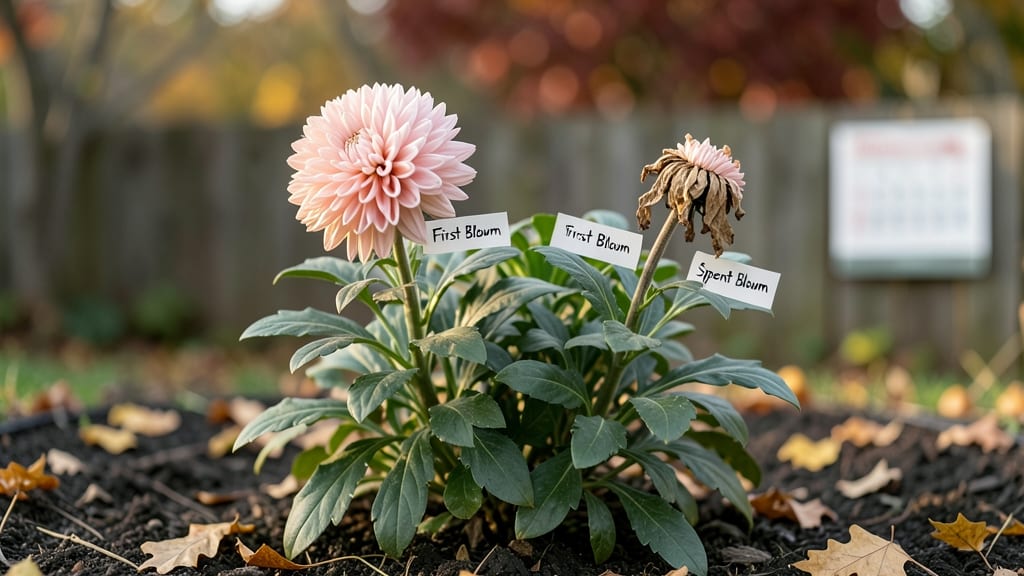
Not all mums bloom only once—reblooming varieties can produce two or three flower flushes per season with the right care, while single-bloom types typically flower just once annually. Proper light exposure, strategic pruning, and balanced fertilizing all play key roles in encouraging repeat blooms.
Many gardeners assume mums only bloom once, but the truth is more nuanced. 🌼 The difference lies in their genetic makeup—reblooming varieties are bred to respond to seasonal changes, producing flowers in fall and sometimes again in spring.
Single-bloom types, however, focus all their energy on one spectacular display, usually in autumn. What's fascinating is how daylight triggers this process: shorter days signal these plants to flower, but consistent care can extend their blooming window.
To maximize reblooming potential, I've found that 6-8 hours of direct sunlight daily is crucial, along with regular deadheading (removing spent blooms) to encourage new growth. Using a balanced fertilizer with slightly higher phosphorus in late summer can also make a noticeable difference.
The key is consistency—mums reward attentive care with longer, more vibrant displays.
💡 In This Article
- Why Some Mums Bloom Once While Others Rebloom
- Tips to Encourage Reblooming in Chrysanthemums
Why some mums bloom once while others rebloom
Chrysanthemums (commonly called mums) fall into two distinct categories: single-bloom and reblooming varieties. The difference starts at the genetic level.
Single-bloom types, like many traditional garden mums, are bred to produce one spectacular flush of flowers in late summer to fall, then focus their energy on root development for winter survival.
Their flowering mechanism is triggered by shortening daylight hours—a process called photoperiodism—where they detect 12-14 hours of darkness daily as a signal to bloom.
Reblooming varieties, however, have been selectively bred to override this natural cycle partially. They can produce two or even three flower flushes per season—typically in fall, then again in spring—by maintaining a balance between growth and flowering.
The secret lies in their ability to respond to both short-day conditions (for fall blooms) and longer daylight periods (for spring reblooms). This dual response requires careful management of light exposure and plant stress levels, which is why reblooming mums often need more attentive care than their single-bloom counterparts.
The science behind this involves a hormone called florigen, which triggers flowering. In single-bloom mums, florigen production peaks once and then declines. Rebloomers, however, can produce multiple florigen spikes when given the right conditions.
For example, exposing them to 6-8 hours of direct sunlight daily while maintaining cooler nighttime temperatures (around 55-65°F) helps sustain this hormonal balance. Without proper light exposure, reblooming varieties may revert to single-bloom behavior, producing only one flush.
Another critical factor is temperature sensitivity. Mums are cool-season plants that thrive in temperatures between 60-75°F during the day and 50-60°F at night. When daytime temperatures exceed 80°F or nighttime temperatures drop below 45°F, flowering can be delayed or prevented entirely.
This is why reblooming mums often struggle in hot climates unless provided with afternoon shade or consistent irrigation to prevent stress.
Visual differences also help identify these types. Single-bloom mums typically have larger, showier flowers with more petals, while reblooming varieties often feature smaller, denser blooms that appear more frequently.
The foliage of rebloomers tends to stay greener and more vigorous throughout the season, whereas single-bloom types may yellow and decline after their main flowering period. This distinction is crucial for gardeners who want to plan their seasonal displays effectively.
What most gardeners don't realize is that even reblooming mums need a period of 6-8 weeks of cooler temperatures (below 70°F) in late summer to "reset" their flowering cycle. Without this cool-down period, they may produce only a weak second flush or none at all.
This is why timing your fertilizer applications—switching to a low-nitrogen, high-phosphorus formula in early fall—can make the difference between vibrant reblooms and sparse flowers.
The bottom line is that reblooming isn't automatic—it's a carefully managed process that rewards gardeners who understand these botanical nuances. With the right light, temperature, and care, you can coax multiple flushes from your mums, extending their beauty well beyond the traditional single autumn display. 🌼