Blooming
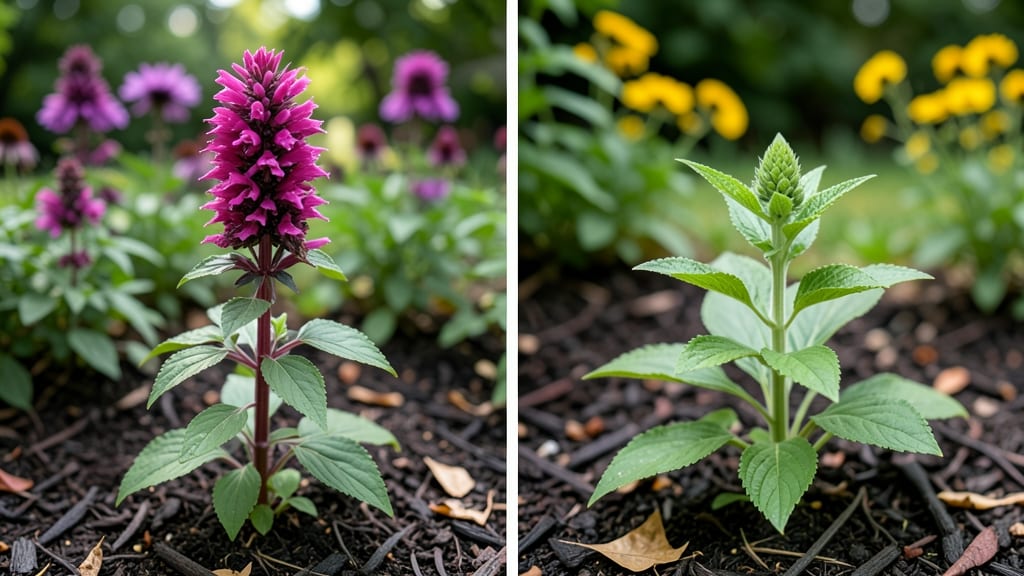
Bee balm does not bloom the first year, as it prioritizes developing a strong root system and dense foliage for vigorous flowering in later seasons, particularly when given proper care and ideal growing conditions.
This behavior is completely natural—bee balm is a perennial plant that allocates most of its energy to building a resilient foundation during its first growing season. 🌱 Think of it like a marathon runner: the first year is all about endurance training, not sprinting to the finish line.
Proper soil drainage, consistent moisture, and a sunny location help accelerate this process, so your plant can store enough nutrients to reward you with vibrant blooms in years two and three.
What many gardeners don't realize is that even if your bee balm doesn't flower the first year, that lush foliage acts as a magnet for pollinators like bees and butterflies. The plant is still providing valuable ecosystem support while it prepares for its big floral debut.
This patience pays off—well-established bee balm plants often produce prolonged blooms that last from early summer through fall.
💡 In This Article
- Why Bee Balm Often Waits to Flower
- Tips to Encourage Early Bee Balm Blooms
Why bee balm often waits to flower
Bee balm's delayed flowering is rooted in its survival strategy as a perennial plant. During its first growing season, up to 80% of its energy goes toward developing an extensive root system and sturdy stems—this underground network can expand 3-5 feet wide in ideal conditions.
Think of it like a tree storing nutrients in its roots for future growth spurts. Without this foundation, the plant risks shallow roots that can't support heavy flower clusters or withstand drought.
The science behind this involves photosynthesis allocation. Bee balm prioritizes producing broad, deep-green leaves to maximize sunlight capture, which fuels root growth rather than flower production. In contrast, annual plants like marigolds divert energy immediately to blooms.
This leafy phase also helps the plant establish symbiotic relationships with soil microbes, improving nutrient uptake for future flowering seasons. 🌱 The trade-off? First-year plants may look lush but produce few (if any) flowers.
Climate and soil conditions dramatically influence this timing. In cooler regions (USDA zones 3-5), bee balm may take two full years to bloom because the growing season is shorter. Warmer climates (zones 6-9) often see first blooms in year two.
Well-draining soil with organic matter speeds up root development—sandy soils can delay flowering by 6-12 months compared to loamy garden beds. Even sunlight matters: plants in partial shade may focus more on leaf growth to compete for light.
What most gardeners miss is the nutrient storage happening underground. Bee balm stores carbohydrates in its roots (similar to how potatoes store starch) during its first year. These reserves fuel the dramatic flowering displays in subsequent years.
Without this preparation, second-year plants might produce 50% fewer blooms and weaker stems. The plant's patience ensures it can handle environmental stresses like heatwaves or drought in later years.
Here's the fascinating part: even non-flowering first-year plants are ecologically valuable. Their dense foliage provides 30-50% more shelter for beneficial insects than flowering plants of similar size.
This early-stage growth creates microhabitats that support pollinators while the plant builds toward its floral prime. The waiting period isn't wasted—it's an investment in future abundance. 💫
Consider this comparison: a first-year bee balm plant might produce 20-30 leaves per stem, while a second-year plant with established roots can support 50-70 leaves per stem—and 50+ flower spikes**.
The energy shift from foliage to flowers happens when the root system reaches a critical mass, typically after 12-18 months of growth. This biological strategy ensures bee balm becomes one of the most reliable perennial bloomers in gardens.