
Blooming
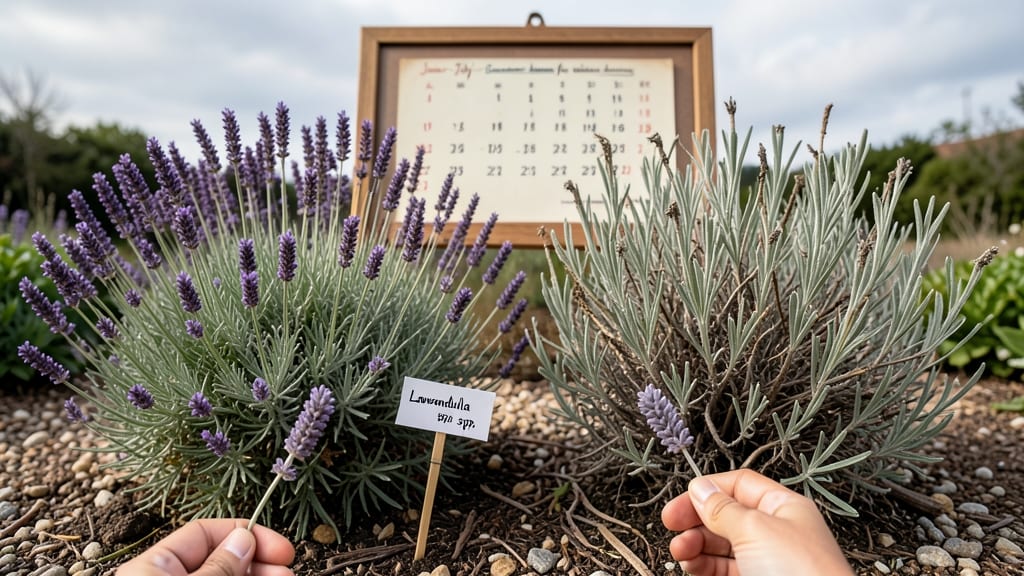
Lavender does not bloom all year, as most varieties flower in late spring to summer, with some late-season blooms extending into fall. Climate, species, and pruning habits determine bloom duration and timing, not year-round growth.
Most lavender plants follow a seasonal bloom cycle tied to daylight hours and temperature shifts. 🌸 English lavender typically peaks in June-July, while Spanish lavender may extend into early autumn, especially in warmer climates.
The key to longer blooming periods lies in proper care—regular pruning after flowering encourages new growth, and well-drained soil prevents stress that shortens bloom windows. Even in ideal conditions, lavender needs a dormant period to recharge, which is why continuous blooming isn't possible for most varieties.
What surprises many gardeners is how regional climate plays a role. Mediterranean lavender thrives in hot, dry summers and may bloom slightly later than its temperate counterparts, while French lavender often produces two smaller bloom cycles if given consistent care.
The secret to maximizing your lavender's flowering season? Prune lightly after the main bloom, avoid overwatering, and protect plants from harsh winters—these small adjustments can add weeks to your blooming window.
💡 In This Article
- Lavender Bloom Seasons by Variety and Climate
- Extending Lavender Bloom Time with Pruning and Care
Lavender bloom seasons by variety and climate
Lavender's bloom cycle is primarily triggered by day length and temperature shifts, not consistent growth patterns. English lavender (Lavandula angustifolia), the most common variety, typically blooms from late May through July, with peak flowering occurring when daylight exceeds 14 hours.
French lavender (Lavandula dentata) often follows a similar schedule but may produce a secondary bloom in early autumn if conditions remain favorable, especially in USDA zones 7-9 where winters are mild.
The Mediterranean climate is where lavender truly thrives, with varieties like Spanish lavender (Lavandula stoechas) blooming from June to September. These plants rely on hot, dry summers to trigger their flowering cycle, with optimal temperatures between 70-90°F.
In cooler temperate climates, blooms may shift slightly earlier, around May-June, but rarely extend past early fall. Grosso lavender (Lavandula x intermedia), a hybrid, often blooms later and longer—from July to September—due to its larger flower buds that require more warmth to develop.
Day length plays a critical role in lavender's biology. Most varieties are short-day plants, meaning they flower in response to decreasing daylight hours after the summer solstice. This explains why lavender rarely blooms in winter, even in warm climates.
The exception is some evergreen lavender varieties (like Lavandula viridis), which may produce sparse blooms in late winter if given supplemental light, but these are uncommon and not true year-round bloomers.
Climate also affects bloom intensity. In Mediterranean regions, lavender may produce 2-3 times more flowers than in temperate zones due to ideal growing conditions.
For example, lavender in Provence, France, often blooms from June to October, while the same variety in the Pacific Northwest might only flower for 4-6 weeks in summer. The key difference? Mediterranean lavender receives 300+ days of sunshine annually with minimal rainfall during its growing season.
Temperature thresholds further influence blooming. Most lavender varieties need daytime temperatures above 60°F to initiate flowering, while nighttime temperatures below 50°F can delay or prevent blooms entirely. This is why lavender in coastal areas (where nights stay cooler) may bloom later than inland plants.
The scent intensity also varies—warmer climates produce 20-30% more essential oils in the flowers, making them more fragrant and commercially valuable.
What most gardeners overlook is how soil composition interacts with climate. Lavender thrives in well-drained, alkaline soil (pH 6.5-7.5), which prevents root rot that can stress plants and shorten bloom periods.
In heavy clay soils common to temperate zones, lavender may bloom 3-4 weeks later than in sandy Mediterranean soils, where water drains quickly and roots stay aerated. This is why lavender in containers often blooms more reliably—you can control the soil mix to mimic ideal growing conditions.