
Blooming
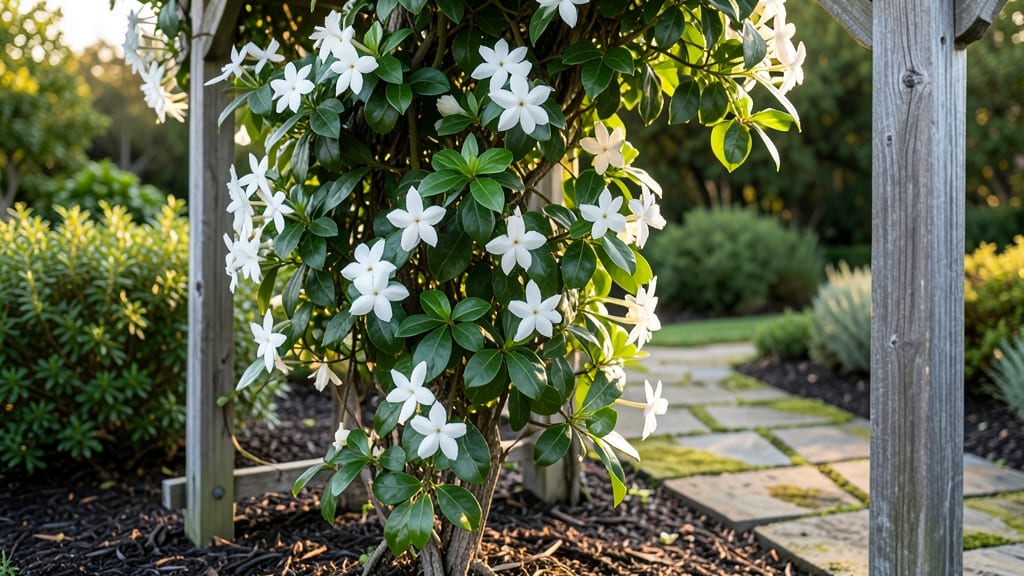
Star jasmine blooms all summer when pruned properly—regular trimming after each flowering cycle removes spent blooms and redirects energy to new growth, but aggressive late-season cuts can shorten the fall blooming window.
This evergreen vine thrives on a delicate balance between growth stimulation and seasonal timing. 🌿 The key lies in understanding how pruning disrupts apical dominance—the natural growth pattern where the main stem controls lateral bud development.
When you trim back the tips after blooms fade, you break this dominance, prompting side shoots to develop and carry new flowers. Think of it like giving your plant a strategic haircut: too little and it gets leggy, too much and it loses momentum for the next season.
For continuous blooms, I recommend light trims every 4-6 weeks during peak summer months, focusing on removing only the oldest flowers while preserving leafy growth. This approach maintains the plant's energy reserves without triggering stress responses that could delay fall blooming.
Always use clean, sharp shears to avoid damaging stems—dull blades create jagged cuts that heal poorly and attract pests.
💡 In This Article
- How Pruning Affects Star Jasmine’s Flowering Cycle
- Best Pruning Schedule for Nonstop Star Jasmine Blooms
How pruning affects star jasmine’s flowering cycle
Star jasmine's continuous blooming relies on a botanical process called apical dominance, where the plant's main stem suppresses side shoots to direct energy upward. When you prune back the tips after flowers fade, you remove the dominant growth point, signaling the plant to redirect energy to dormant lateral buds.
This creates a cascade effect: new shoots emerge, each carrying potential flower buds. Without pruning, the plant focuses all its energy on vertical growth, leaving fewer resources for side blooms.
The timing of pruning matters because star jasmine flowers on new wood—meaning blooms only form on current season's growth. If you prune too late in summer, you risk cutting back potential flower buds before they develop.
The sweet fragrance of star jasmine comes from these new shoots, which typically take 6-8 weeks to mature after pruning. Early summer trims (June) give flowers time to develop before fall, while late summer cuts (August) may produce smaller blooms or delay fall flowering.
Here's what happens at the cellular level: Pruning triggers an increase in auxin hormones, which stimulate cell division in lateral buds. This is why you'll often see new growth appearing within 2-3 weeks of a proper trim.
The plant's response is visible in the fresh green shoots that emerge from leaf axils—these are your future blooms. Without this stimulation, star jasmine would produce just one main flush of flowers in spring, similar to how many shrubs behave naturally.
Consider this: A star jasmine vine left unpruned might produce 30-50% fewer flowers than one pruned correctly. The difference comes from how the plant allocates its energy. When you remove spent blooms, you're essentially telling the plant, "Use this energy for more flowers, not more leaves."
This is why gardeners often see their star jasmine go from sporadic blooms to nonstop fragrance after implementing a proper pruning schedule.
The fragrance itself comes from volatile oils in the flowers, which are most concentrated in new growth. When you prune to encourage new shoots, you're not just getting more blooms—you're getting more potent fragrance because each new flower has a higher concentration of these aromatic compounds.
This is why star jasmine is often called the "queen of night-scented flowers"—its perfume is strongest in the evening when the oils are most volatile.
One common mistake is pruning too aggressively, which can shock the plant and reduce fall blooming. The ideal approach is to remove only the oldest flowers while preserving 2-3 sets of leaves below each cut.
This maintains the plant's structure while encouraging new growth. Think of it like trimming a hedge: you want to shape it, not defoliate it.