
Blooming
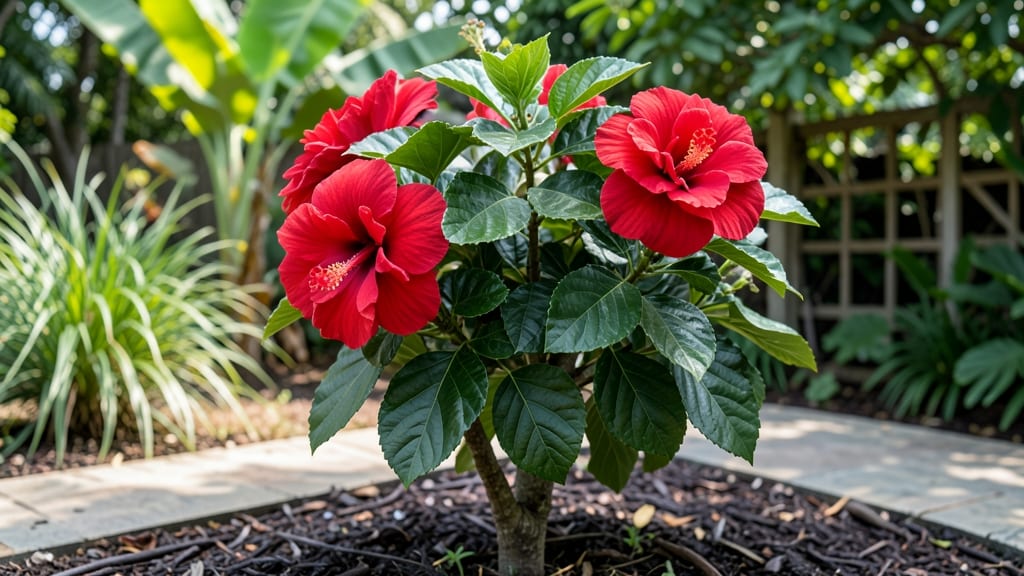
Double bloom hibiscus plants turn my summer garden into a purple-spiked explosion every year. 🌸 The secret to their dramatic comeback after frost isn't just luck—it's the right combination of sunlight, soil, and strategic pruning that keeps them flowering nonstop from June through October.
These tropical beauties demand full sun (at least 6 hours daily) and well-draining soil that mimics their swampy native habitats. Too much shade or soggy roots, and you'll get sparse blooms or leafy growth instead of those showstopping double flowers.
I've learned the hard way that skipping the pruning step means fewer blooms and more leggy stems. With proper care, you'll see 100+ blooms per plant in a single season, and the plants grow surprisingly hardy once established.
The key is winter protection—mulching heavily and wrapping young plants—and early spring pruning to encourage new growth before the heat arrives. This guide covers everything from soil prep to frost recovery, so you can grow hibiscus that outshine every other plant in the yard. Let's get those purple spikes thriving!
📚 In This Guide
- What you need
- Instructions
- Tips and common mistakes
- Wrapping up and next steps
What you need
- ● Double Bloom Hibiscus Plant: Choose a healthy, established plant (potted or bare-root) from a nursery. Pro tip: Look for varieties like 'Lady Balmoral' or 'Dwarf Red' for vibrant blooms!
- ● Well-Draining Soil: 5-10 gallons of a mix of 60% topsoil, 20% compost, and 20% perlite or sand (or use pre-mixed cactus/succulent soil).
- ● Container or Garden Bed: For containers: A 15-20 gallon pot with drainage holes (terracotta or plastic).
- ● For in-ground planting: A sunny spot with 6+ hours of direct sunlight daily and space for roots to spread (3-5 feet apart).
- ● Fertilizer: A balanced, slow-release fertilizer (10-10-10 or 20-20-20) or organic options like fish emulsion or compost tea.
- ● Mulch: 2-3 inches of wood chips or straw to retain moisture and regulate soil temperature.
- ● Watering Can or Hose: With a gentle spray nozzle to avoid damaging delicate blooms.
- ● Pruning Shears: Sharp, clean shears for shaping and deadheading.
- ● Epsom Salt: 1 tablespoon per gallon of water (monthly) to boost magnesium for vibrant blooms.
- ● Plant Stakes or Trellis: If growing tall varieties, for support.
- ● Frost Cloth: To protect young plants in colder climates.
Step-by-step instructions for cultivating double bloom hibiscus
Here's how to coax those stunning purple spikes back year after year—even after frost.
🌱 Step 1: Select the Right Location for Year-Round Growth
Double bloom hibiscus thrives in full sun—at least 6-8 hours daily—but needs winter protection in colder zones. I plant mine against a south-facing wall where they catch afternoon warmth. The roots stay warmer near the structure, which helps them rebound after frost.
Test your spot by watching how much direct light it gets. If leaves start yellowing or growth slows in summer, you’ll need to move it to sunnier conditions. Hibiscus roots are sensitive, so avoid areas where water pools after rain—they hate soggy feet.
🪴 Step 2: Plant with Proper Spacing and Soil Prep
Dig a hole twice as wide as the root ball but only as deep as the container’s bottom. This encourages roots to spread outward for stability. I mix the native soil with 1 part compost to loosen it up—hibiscus roots need air and drainage.
Space plants 6-8 feet apart to give them room to grow. Crowding leads to weak stems and fewer blooms. After planting, water deeply to settle the soil and remove any air pockets around the roots. A good soak helps the plant establish faster.
☀️ Step 3: Feed and Water for Continuous Blooms
Feed with a balanced fertilizer (10-10-10) every 4-6 weeks during growing season. Hibiscus are heavy feeders, but too much nitrogen makes them leafy at the expense of flowers. I switch to a low-nitrogen, high-phosphorus (5-10-5) formula when buds form to encourage more blooms.
Water at the base 2-3 times per week—enough to moisten 12 inches deep. Let the top inch of soil dry between waterings to prevent root rot. In summer, you’ll see wilting leaves if they’re thirsty. A quick deep watering revives them within hours.
✂️ Step 4: Prune for Winter Hardiness and Spring Rebound
After the first frost, cut back stems to 6-12 inches tall. This protects the plant from freeze damage and encourages new growth in spring. I prune in late winter just before new shoots appear—you’ll see tiny buds forming at the base.
Remove any dead or diseased branches first. Then shape the plant by cutting back to an outward-facing bud. This ensures a fuller, bushier plant next season. Avoid heavy pruning in fall, as the plant needs energy to store for winter.
⏰ Step 5: Protect and Monitor Through Winter
In colder climates, wrap the base with burlap or frost cloth once temperatures drop below 25°F. This insulates the roots and helps the plant survive. I also mulch with 2-3 inches of straw to retain warmth.
Check for frost damage in early spring by gently brushing off mulch. If stems are black or mushy, cut them back further. Healthy stems will be firm and green beneath. Once new growth appears, remove winter protection and resume regular care.
Tips & tricks for perfect double bloom hibiscus care
Real talk: These small adjustments make all the difference between a struggling hibiscus and one that blooms like crazy year after year.
Sunlight Secret: That 6-8 hours of daily sun is non-negotiable, but here's the thing—morning sun is more important than afternoon. I've seen hibiscus struggle in spots with intense afternoon heat but thrive when they get gentle morning rays followed by afternoon shade. If your garden gets brutal afternoon sun, consider a light shade cloth during peak hours.
Soil Prep That Changes Everything: The compost-to-soil ratio is crucial—don't skimp! I've found that adding one part compost to native soil isn't always enough in heavy clay. For really dense soils, mix in 2 parts compost to 1 part soil to give those roots the air and drainage they crave. The wider hole you dig (twice as wide as the root ball) also helps prevent root rot by allowing excess water to drain away.
Winter Protection Hack: When temps drop below 25°F, I've learned to double up on protection. First wrap the base with burlap, then add a layer of frost cloth. The key is to leave some airflow at the top—hibiscus need to breathe even in winter. I also avoid piling mulch against the stems, which can cause rot. Instead, create a donut shape around the base with the straw mulch.
Pruning Timing Tip: That late winter pruning before new shoots appear is critical, but here's what nobody tells you—watch for the tiny buds forming at the base. These are your clues that it's time to prune. I've made the mistake of pruning too early when no buds were visible, and my plants took forever to rebound. Once you see those buds, count back about 2 weeks before pruning for perfect timing.
Pro Tips for Double Bloom Hibiscus
- Real talk: These small adjustments make all the difference between a struggling hibiscus and one that blooms like crazy year after year.
- Sunlight Secret: That 6-8 hours of daily sun is non-negotiable, but here's the thing—morning sun is more important than afternoon.
- Soil Prep That Changes Everything: The compost-to-soil ratio is crucial—don't skimp!
Frequently asked questions
Got questions about growing double bloom hibiscus? You’re not alone!
Here are answers to the most common queries—from timing tricks to troubleshooting tips.
When do double bloom hibiscus flowers reopen after frost?
These hardy beauties often rebloom within 4–6 weeks after frost damage, especially if pruned back to healthy wood. Cold-hardy varieties (like 'Arctic Sunrise') may even bloom twice a year—once in summer and again in fall. Watch for new buds forming at leaf nodes!
Can double bloom hibiscus survive winter in colder climates?
Yes! With proper prep, they thrive in USDA Zones 7–10. Mulch heavily (6+ inches), wrap the base in burlap, and prune back dead growth in early spring. Pro tip: In Zone 6 or colder, dig up the root ball and store it in a frost-free garage until spring.
Why aren’t my double bloom hibiscus flowers opening fully?
Common culprits include overcrowded branches (prune to improve airflow), lack of sunlight (they need 6+ hours daily), or nutrient deficiencies (feed with high-phosphorus fertilizer in spring). Check for pests too—aphids or spider mites can stress blooms.
How often should I fertilize double bloom hibiscus?
Feed every 4–6 weeks during growing season (spring to fall) with a balanced 10-10-10 or hibiscus-specific fertilizer. Reduce feeding in winter. Bonus: A slow-release granular fertilizer at planting time gives them a head start!
Can I grow double bloom hibiscus in containers?
Choose a large pot (15+ gallons) with drainage holes and a well-draining mix (cactus/succulent blend works). Move containers indoors or to a garage if temps drop below 20°F. Dwarf varieties like 'Dwarf Red' are ideal for patios.
| Quick Fixes for Common Issues |
|---|
| Yellow leaves? Overwatering or nutrient deficiency. Let soil dry slightly between waterings. |
| No blooms? Too much nitrogen (switch to bloom-boosting fertilizer) or insufficient sunlight. |
| Leggy growth? Prune back by 1/3 in early spring to encourage bushier, flower-heavy growth. |
Wrapping up and next steps
Growing a double bloom hibiscus with those stunning purple spikes is a rewarding journey—one that even frost can’t stop! 🌸 Whether you’re a seasoned gardener or just starting, these resilient beauties thrive with the right care, from well-draining soil to strategic pruning.
Remember, their rebloom magic happens when you give them patience and love.
Ready to watch your garden transform? Start small—plant one today and enjoy the show as it blooms back bigger and bolder than ever! 🌿💜