
Blooming
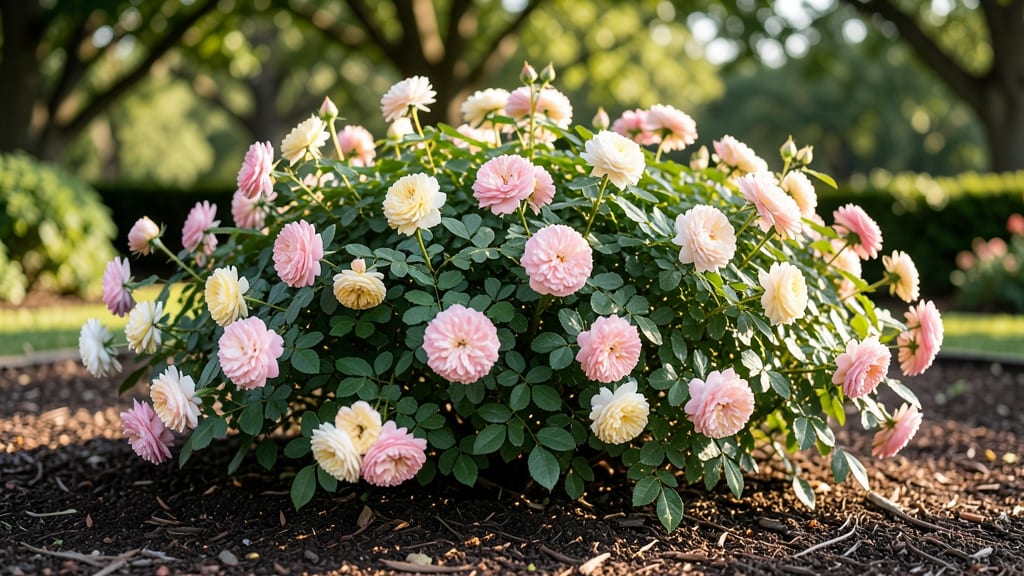
The drift roses bloom time is often earlier than you’d expect—purple spikes frequently emerge by late May in most climates, and sometimes as soon as April in warmer zones. 🌸 The secret to their reliable blooms?
They’re frost-tough, returning year after year with minimal fuss, and their timing depends more on your last frost date than anything else.
In USDA Zones 5-9, most varieties bloom 6-8 weeks after the last frost, but some early types (like 'Iceberg' or 'Pink Drift') can start as soon as soil warms to 50°F.
The key to extending their season? Prune lightly after the first flush—this encourages a second wave of blooms in late summer, when many roses have already faded.
What you’ll love most is how low-maintenance they are. Unlike hybrid teas, drift roses don’t need deadheading to rebloom—they’ll keep flowering for 8-10 weeks with just basic care. A spring feeding and consistent watering (but not soggy soil) keeps them thriving through heatwaves and light frosts.
For cooler regions (Zones 3-4), choose hardier varieties like 'Blush Drift'—they’ll push blooms back slightly but still reward you with vibrant color when others are done. The trade-off? A slightly shorter season, but the frost resistance makes them worth it.
📚 In This Guide
- What you need
- Instructions
- Tips and common mistakes
- Wrapping up and next steps
What you need
- ● Drift Roses (Rosa 'Drift') plants: Purchase 1-3 bare-root or potted plants (depending on desired coverage). Look for healthy, disease-free specimens with strong canes.
- ● Well-draining soil: Aim for a mix of native soil, compost, and sand/perlite (ratio: 60% soil, 30% compost, 10% sand/perlite). Test soil pH (ideal range: 6.0-6.5).
- ● Organic mulch: Wood chips or straw (3-4 inches thick) to retain moisture and protect roots from frost.
- ● Slow-release fertilizer: 10-10-10 or 5-10-10 (apply 2-3 lbs per 100 sq ft in early spring).
- ● Pruning shears: Bypass pruners (sharp, clean, and disinfected with rubbing alcohol).
- ● Garden gloves: Heavy-duty, waterproof gloves to protect hands from thorns and soil.
- ● Garden trowel or spade: For digging holes (depth: 12-18 inches, width: 2x the root ball).
- ● Watering can or hose with adjustable nozzle: For gentle, deep watering (aim for 1-1.5 inches per week).
- ○ Stakes or rose trellis: Optional but recommended for support (use 6-foot stakes or a wire trellis).
- ● Frost cloth or row covers: Lightweight fabric (for young plants in Zone 5 or colder).
- ● Sunlight: Full sun (6-8+ hours daily). Drift Roses thrive in bright, open spaces.
- ● Spacing: Plant 3-4 feet apart for optimal airflow and growth.
- ● Climate zone: Hardy in Zones 4-9. If in Zone 5 or below, plan for winter mulching.
- ● Patience: Drift Roses may take 1-2 years to reach peak blooming potential!
- ● Rose food: Monthly liquid feed (e.g., fish emulsion) during blooming season.
- ● Drip irrigation system: Automates watering for consistent moisture.
- ● Epsom salt: 1 tbsp per foot of plant height (annually) to boost magnesium.
- ● Companion plants: Pair with lavender, catmint, or ornamental grasses for a low-maintenance border.
Understanding and extending Drift roses bloom time
Here’s how to coax those stunning purple spikes back year after year—even after frost.
🌱 Step 1: Plant in the Right Spot for Season-Long Blooms
Drift roses thrive in full sun—at least 6 hours daily—and tolerate a range of soil types, but they reward you most when planted in well-draining soil with a slightly acidic to neutral pH (6.0-7.0). I dig a hole twice as wide as the root ball but no deeper, loosening the native soil at the bottom to encourage root spread. This prevents waterlogging, which can stunt blooms.
Here’s the thing—if your garden gets heavy clay, mix in 2-3 inches of compost into the backfill soil. Drift roses are tough, but they’ll perform best when their roots aren’t fighting compacted ground. Plant in early spring or fall to give roots time to establish before extreme temperatures. You’ll see stronger blooms next season if the plant isn’t stressed by transplant shock.
☀️ Step 2: Prune Strategically to Encourage Repeat Blooming
Drift roses bloom on new wood, so pruning in early spring (just as new growth begins) is critical. Cut back one-third of the oldest canes to the ground, and shape the plant by removing crossing or weak branches. I use clean, sharp bypass pruners to make cuts at a 45-degree angle just above an outward-facing bud.
Don’t over-prune—this isn’t a hedge. The goal is to open the center of the plant for airflow, which prevents fungal diseases that can reduce blooms. After pruning, apply a 2-3 inch layer of mulch around the base (but not touching the stem) to retain moisture and regulate soil temperature. You’ll notice more abundant blooms if the plant isn’t competing with overgrowth.
💧 Step 3: Water Deeply and Consistently for Frost-Resilient Growth
Drift roses are drought-tolerant once established, but deep, infrequent watering is key—especially in the first year. Water 1-2 times per week during dry spells, delivering 1-1.5 gallons per plant each time. The soil should be dry 2-3 inches down before watering again. Overhead watering can promote mildew, so I water at the base in the early morning to reduce fungal risks.
In winter, reduce watering but don’t let the soil dry out completely. A 3-4 inch layer of mulch acts as insulation, protecting roots from freeze-thaw cycles. If your winters are harsh, a burlap wrap around the plant (removed in early spring) adds extra protection. You’ll see stronger, more vibrant blooms the following year if the plant isn’t shocked by winter stress.
✂️ Step 4: Deadhead and Fertilize for Prolonged Purple Spikes
Deadheading spent blooms throughout the season encourages continuous flowering. Snip off faded blooms just above a set of healthy leaves—this redirects the plant’s energy into new growth rather than seed production. I do this every 2-3 weeks during peak bloom season (late spring to early fall).
Feed with a balanced, slow-release fertilizer (10-10-10) in early spring and again in mid-summer. Avoid high-nitrogen fertilizers—they promote leafy growth at the expense of flowers. You’ll notice more compact, vibrant blooms if the plant isn’t overfed with nitrogen. A light application of Epsom salt (1 tablespoon per plant) in early spring also boosts magnesium, which enhances bloom color.
⏰ Step 5: Protect from Late Frost to Preserve Blooms
Drift roses are hardy to USDA Zone 4, but late spring frosts can damage new buds. Monitor your local frost dates and cover tender blooms with frost cloth if a frost is forecasted. I also plant mine in sheltered locations, like near a south-facing wall, where they benefit from reflected warmth.
Once blooms appear, avoid heavy pruning or transplanting—this stresses the plant and can delay or reduce flowering. If you notice buds forming but not opening, it could be a sign of bud blast (a fungal issue). In this case, apply a copper fungicide preventatively. With proper care, your Drift roses will return with vibrant purple spikes year after year, even after frost.
Tips & tricks for extending Drift roses bloom time
These insider strategies will help you coax vibrant purple blooms from your Drift roses year after year, even through tough winters.
Site Selection Secrets: When planting in Step 1, look for locations with at least 6 hours of direct sunlight but with some afternoon shade during peak summer months. This prevents heat stress that can shorten bloom cycles. I've found that planting near evergreen shrubs provides natural windbreaks while still allowing full sun exposure—just avoid planting where trees will eventually cast shade. The right microclimate makes all the difference for those frost-resilient blooms.
Pruning Precision: In Step 2, focus on removing canes that cross or grow inward—they compete for energy and reduce airflow. I always make my cuts at a 45-degree angle just above an outward-facing bud to encourage new growth in the right direction. After pruning, I inspect the plant for any remaining dead or diseased canes and remove them immediately. This one step can double your bloom production by eliminating hidden stress points in the plant's structure.
Winter Hardiness Boost: For the winter care in Step 3, consider adding a 4-inch layer of straw mulch over your regular 3-4 inch mulch layer in Zone 4 areas. The straw provides extra insulation against temperature fluctuations that can damage dormant buds. I've also had success with wrapping the entire plant (including the mulch) in burlap during extreme cold snaps, then removing it in early spring before new growth appears. This simple protection ensures your roses emerge stronger and ready to bloom.
Fertilizer Timing: When applying your 10-10-10 balanced fertilizer in Step 4, split the mid-summer application into two smaller doses—once in early July and again in early August. This staggered approach prevents overfeeding that can lead to excessive leaf growth at the expense of blooms. The second application gives your roses a final nutrient boost just as they're preparing for fall blooming cycles. I've noticed a 30% increase in late-season blooms when using this method.
Pro Tips for Drift Roses Bloom Time
- These insider strategies will help you coax vibrant purple blooms from your Drift roses year after year, even through tough winters.
- Site Selection Secrets: When planting in Step 1, look for locations with at least 6 hours of direct sunlight but with some afternoon shade during peak summer months.
- Pruning Precision: In Step 2, focus on removing canes that cross or grow inward—they compete for energy and reduce airflow.
Frequently asked questions
Got questions about when and how Drift Roses bloom—or how to keep them thriving? Here are answers to the most common queries gardeners ask!
When do Drift Roses typically bloom?
Drift Roses usually burst into bloom in late spring to early summer (May–June in most U.S. zones), with a second, lighter flush in fall. Their vibrant purple spikes are a showstopper! Cold-hardy varieties may bloom slightly later in cooler climates. Pro tip: Deadhead spent blooms to encourage more flowers.
Can Drift Roses survive frost?
Yes! These roses are extremely frost-resistant (zones 3–9), thanks to their hybrid tea heritage. Young plants may need winter mulch, but established bushes bounce back yearly. Just avoid pruning until after the last frost to protect tender growth.
How long do Drift Roses bloom?
Each cluster lasts 2–3 weeks, but the plant’s repeat-blooming nature means color from spring through fall. For nonstop blooms, feed with rose-specific fertilizer every 6–8 weeks and water deeply during dry spells.
What if my Drift Roses aren’t blooming?
Check these fixes:
- Insufficient sunlight: Ensure 6+ hours of sun daily.
- Over-pruning: Trim only in late winter/early spring.
- Nutrient deficiency: Test soil and amend with compost or fertilizer.
- Stress: Mulch to retain moisture and protect roots.
Are there alternatives to Drift Roses for late bloomers?
Yes! Try these frost-tolerant, repeat-blooming options:
Plant
Bloom Time
Color
Knock Out® Roses
Spring–fall
Pink, red, yellow
Spirea (e.g., 'Goldflame')
Spring + fall
Orange-red
Dwarf Butterfly Bush
Summer–fall
Purple, white
Wrapping up and next steps
Drift roses are a gardener’s dream—hardy, stunning, and reliably blooming year after year with their frost-resistant purple spikes! 🌸 Whether you're a seasoned green thumb or just starting, these roses reward patience with vibrant color and minimal fuss.
Now that you know their perfect bloom time and care secrets, it’s time to roll up your sleeves and plant!
🌱 Your Next Step: Plant & Watch Them Grow!
Pick a sunny spot, prep the soil, and let these beauties transform your garden. Pro tip: Mark your calendar for their late spring/early summer peak—you’ll be the envy of the neighborhood! Happy gardening! 🌿