
Flowers
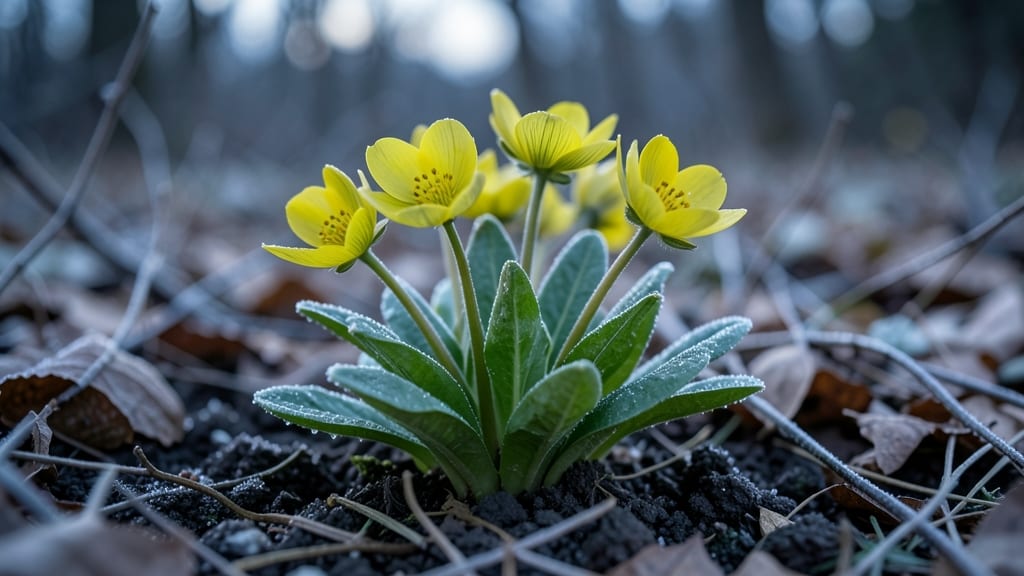
Fall and winter gardens don’t have to be bare—these 10 fragrant, cold-hardy flowers bring color and scent to chilly seasons. Perfect for gardeners in USDA zones 4-8, these bloomers defy frost and reward patience with stunning displays.
Sweet Alyssum for Winter Fragrance
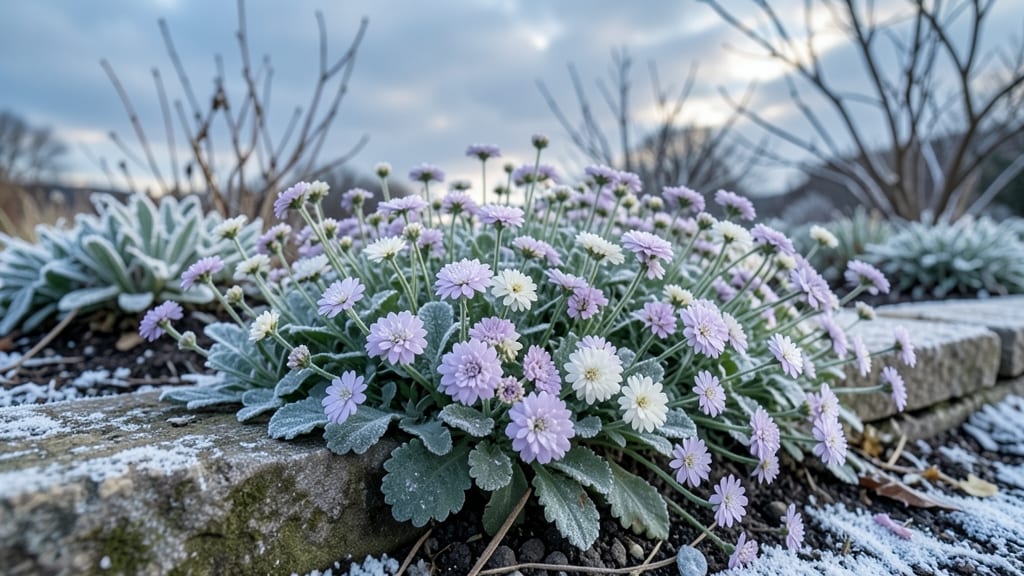
Transform your winter garden into a fragrant haven with sweet alyssum, a tiny but mighty flower that releases a honey-like scent when brushed. This delicate annual thrives in cooler temperatures and adds a soft, sweet aroma to your outdoor spaces—perfect for filling gaps where frost lingers.
Plant sweet alyssum in well-draining soil along garden edges, container borders, or window boxes where its cascading blooms will spill over gracefully. It prefers full sun to partial shade and can handle light frosts, making it ideal for late fall and winter displays. Deadhead spent blooms to encourage continuous flowering until spring frost.
Urban gardeners and small-space enthusiasts will love how sweet alyssum thrives in containers, while its pest-repelling properties make it a natural companion for other winter bloomers. A breath of fresh air for chilly days! 🌱
Hellebore Christmas Rose
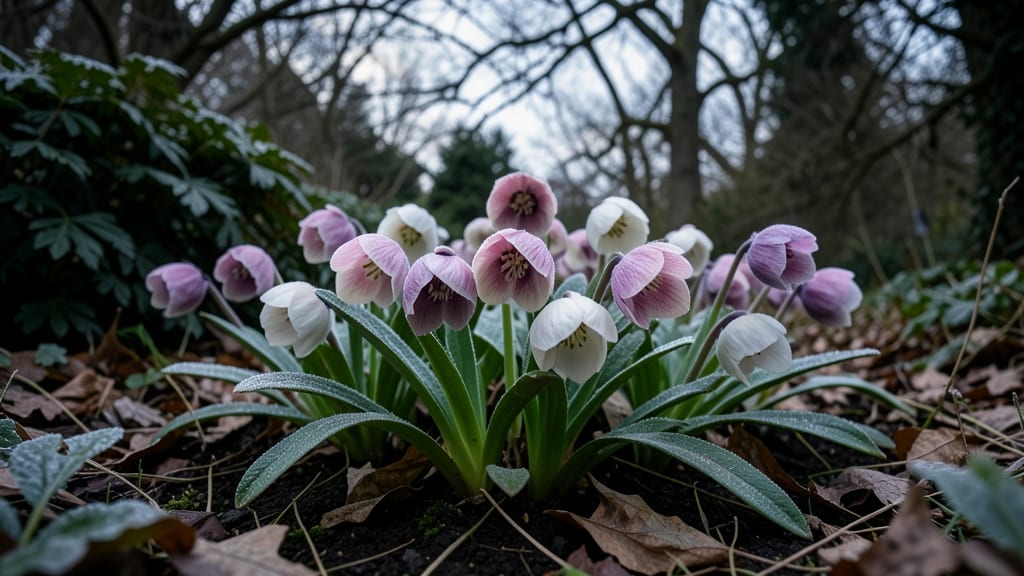
When your garden feels like it’s taking a winter nap, hellebores (or "Christmas roses") are the unsung heroes waking up in late winter. Their nodding blooms in soft pinks, whites, and purples appear when most flowers are still asleep, adding elegance to shady corners where sunlight is scarce.
These evergreen perennials thrive in partial to full shade, making them ideal for woodland gardens, under trees, or along north-facing walls. Their leathery foliage stays vibrant year-round, while their flowers—often still covered in morning dew—bloom from December through March. Deadhead spent blooms to encourage more flowers, and they’ll reward you with decades of low-maintenance beauty.
Perfect for gardeners with shady spots or those who love a touch of old-fashioned charm, hellebores bring life to winter gardens without demanding much in return. 🌿
Winter Jasmine Climbing Beauty
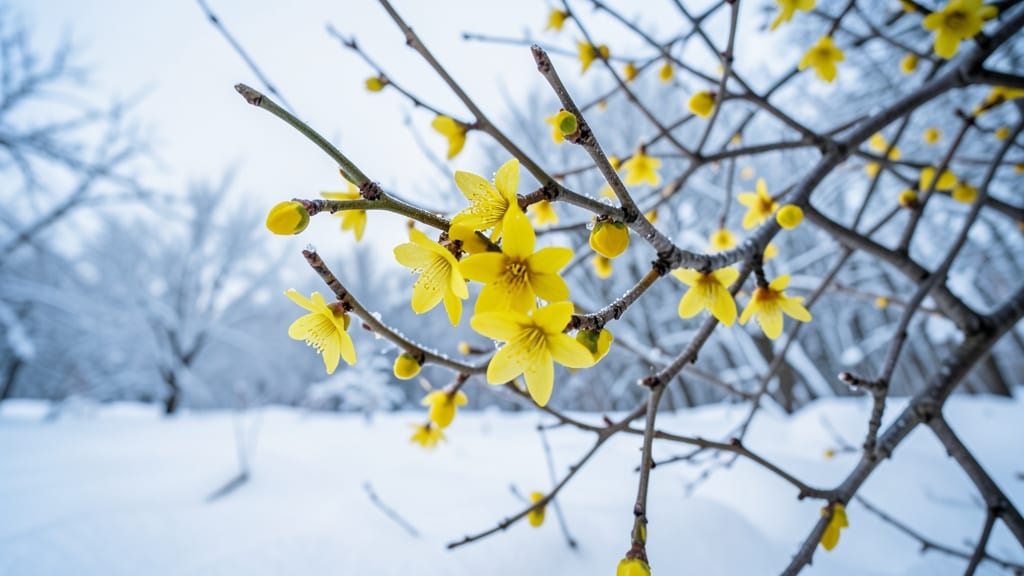
When winter wraps your garden in white, winter jasmine (Jasminum nudiflorum) bursts onto the scene with bright yellow, star-shaped flowers that appear on leafless stems in December. This deciduous climber creates a stunning focal point against snowy backdrops, transforming bare branches into a cheerful winter spectacle.
Unlike spring-flowering jasmine, this variety thrives in full sun to partial shade and tolerates temperatures down to -20°F, making it perfect for USDA zones 4-8. Plant it near trellises, arbors, or fences—its semi-evergreen stems add structure year-round, while the fragrant blooms attract early pollinators. Prune in late winter after flowering to encourage bushier growth.
Ideal for gardeners who want low-maintenance vertical interest, winter jasmine is especially magical in container gardens or along patios where its cascading habit softens winter’s stark lines. 🌟
Snowdrops Early Bloomers
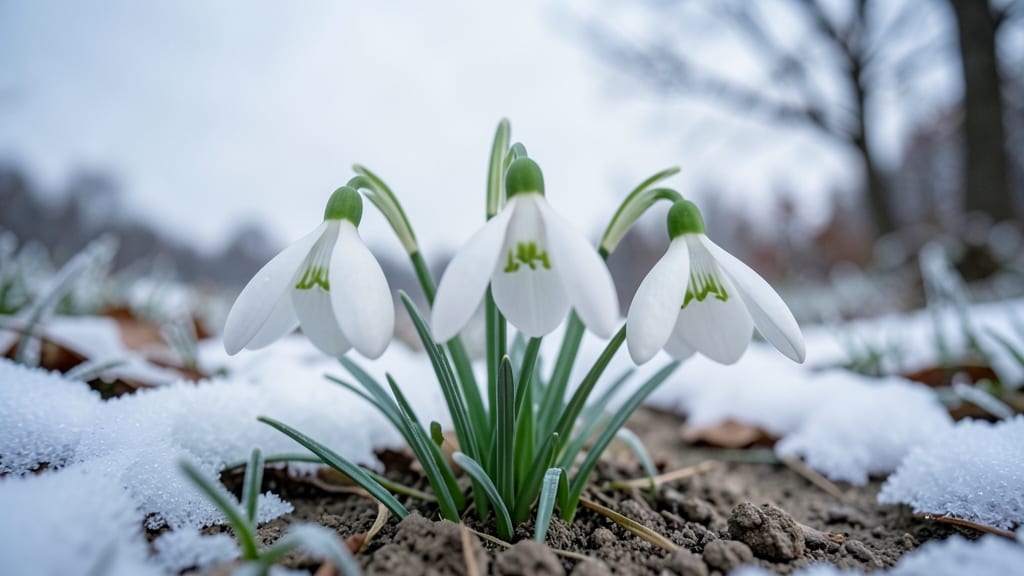
When winter feels endless, snowdrops (Galanthus) arrive like tiny messengers of spring, their delicate white bells pushing through snow as early as January in many climates. These hardy perennials thrive in USDA zones 3-9, making them one of the most reliable early bloomers for cold-season gardens.
Plant them in sheltered spots where snow accumulates—like the base of shrubs or beneath deciduous trees—to create dramatic contrasts as their white blooms stand out against dark soil. They prefer partial to full shade and well-drained soil, and once established, they’ll multiply naturally, forming cheerful colonies. For maximum impact, group 10-15 bulbs together in drifts.
Snowdrops are ideal for gardeners who want low-maintenance beauty with high symbolic value—perfect for woodland gardens, cottage-style beds, or even container edges. Their early blooms also provide a critical food source for bees and early pollinators when little else is available. 🌱
Cyclamen for Shade Gardens
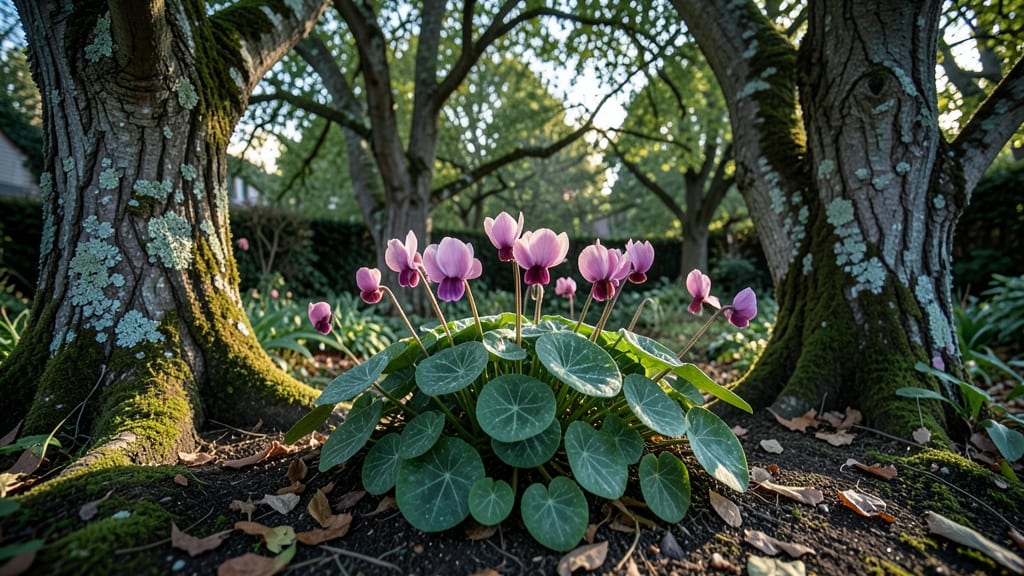
If your garden has shady spots where sunlight barely reaches—like under mature trees or along north-facing walls—cyclamen will transform those forgotten corners into pockets of color. Their heart-shaped leaves and delicate pink or magenta blooms emerge in late fall and winter, thriving when most flowers retreat.
Plant cyclamen in well-draining soil with partial to full shade, and water sparingly to avoid soggy roots. The tubers naturally store moisture, making them drought-tolerant once established. For best results, add a 2-inch layer of mulch to protect them from freezing temperatures while keeping the soil cool and moist. Their blooms last for weeks, adding a whimsical touch to woodland gardens or container arrangements.
This shade-lover is ideal for gardeners with limited sun exposure or those looking to extend their seasonal interest. Perfect for understory plantings, fairy gardens, or even as a fragrant houseplant in winter. 🌿
Pansies Cold-Resistant Colors
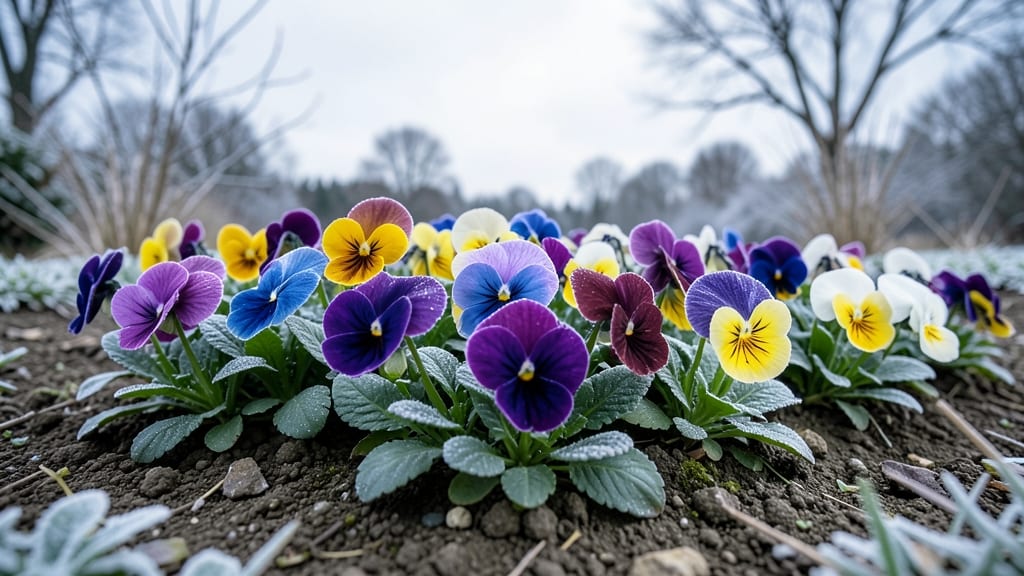
Looking for a splash of color when most gardens are asleep? Pansies deliver a year-round show from fall through spring, with blooms in every shade imaginable—from deep purples to sunny yellows. Their cheerful faces even survive light frosts, making them the perfect winter garden star.
Plant them in window boxes for instant curb appeal, or tuck them into cutting gardens for long-lasting bouquets. They thrive in partial sun to full shade, making them ideal for urban balconies or shaded borders. For extra longevity, deadhead spent blooms and fertilize lightly every 4-6 weeks to encourage nonstop flowering.
These hardy annuals (or biennials in cooler climates) are beginner-friendly and perfect for adding joy to small spaces or containers. 🌷
Daffodils Winter Hardiness
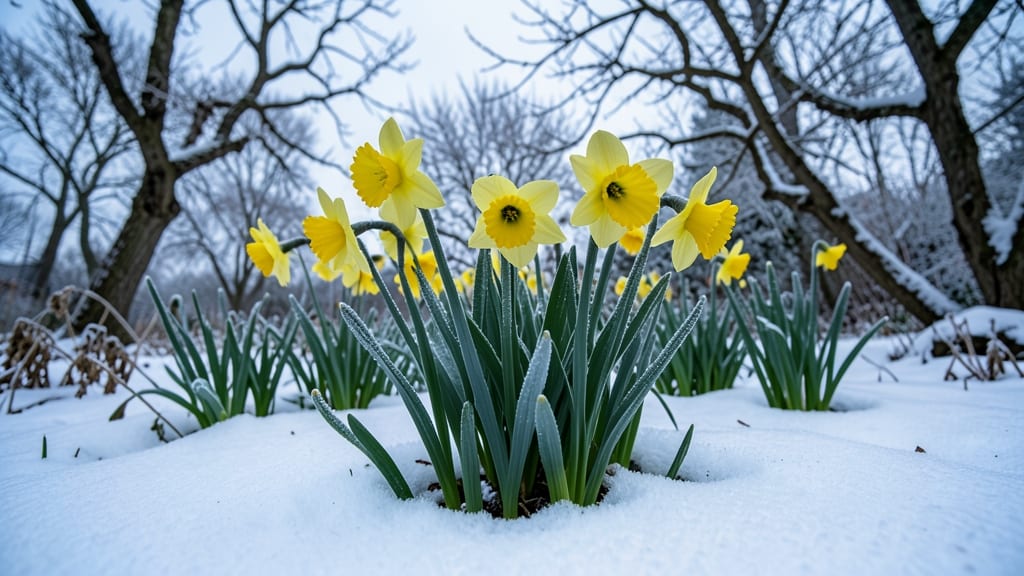
When winter’s grip tightens and most gardens lie dormant, daffodils defy the cold with their cheerful trumpets. These hardy bulbs don’t just survive snow—they thrive under it, forcing blooms through frost with varieties like ‘February Gold’, which bursts into color when few other flowers dare to show their faces.
Plant bulbs in groups of 10-15 for maximum impact, spacing them 4-6 inches apart and 6 inches deep in well-draining soil. They prefer full sun but tolerate partial shade, making them versatile for borders, lawns, or even containers. Mulch lightly after planting to insulate bulbs, but avoid heavy mulch that could trap moisture.
Perfect for gardeners who want low-maintenance color early in the season, daffodils also deter rodents and deer—nature’s built-in protection. Their resilience makes them a must-have for winter-blooming gardens. 🌱
Crocus Winter Foraging
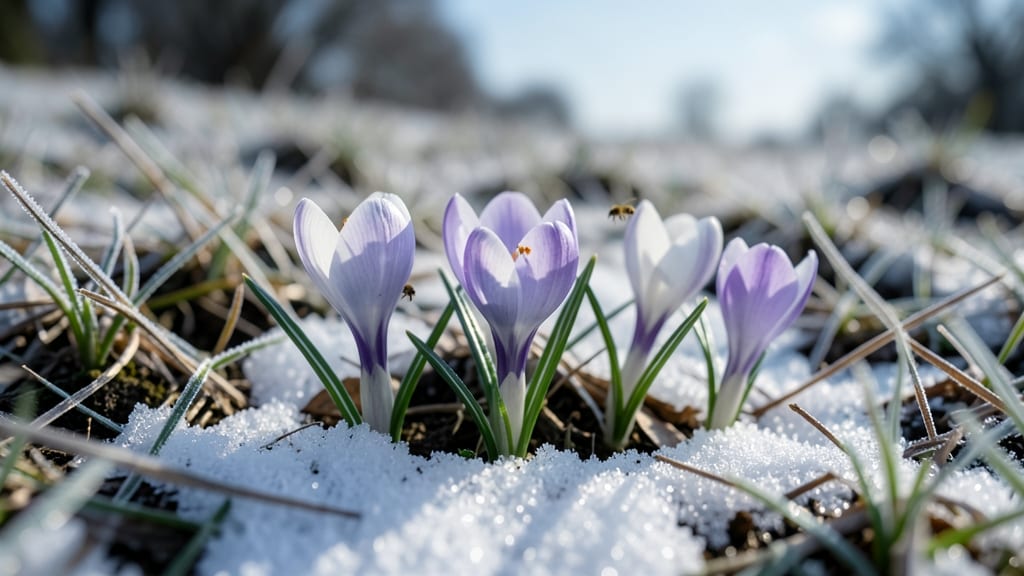
When winter feels barren, crocus flowers become nature’s hidden treasure—tiny but mighty blooms that emerge through snow to feed hungry bees. Their delicate purple or white petals provide early-season nectar, making them a lifeline for pollinators when food is scarce.
Plant these bulbs in lawns or rock gardens where their cheerful faces peek through grass or between stones. They thrive in full sun to partial shade and prefer well-draining soil, making them ideal for low-maintenance spots. With minimal care, they’ll reward you with vibrant color from late winter through early spring.
Perfect for gardeners with limited space or those looking to support pollinators, crocus proves that even the smallest blooms make a big difference. 🌱
Heather Fragrant Ground Cover
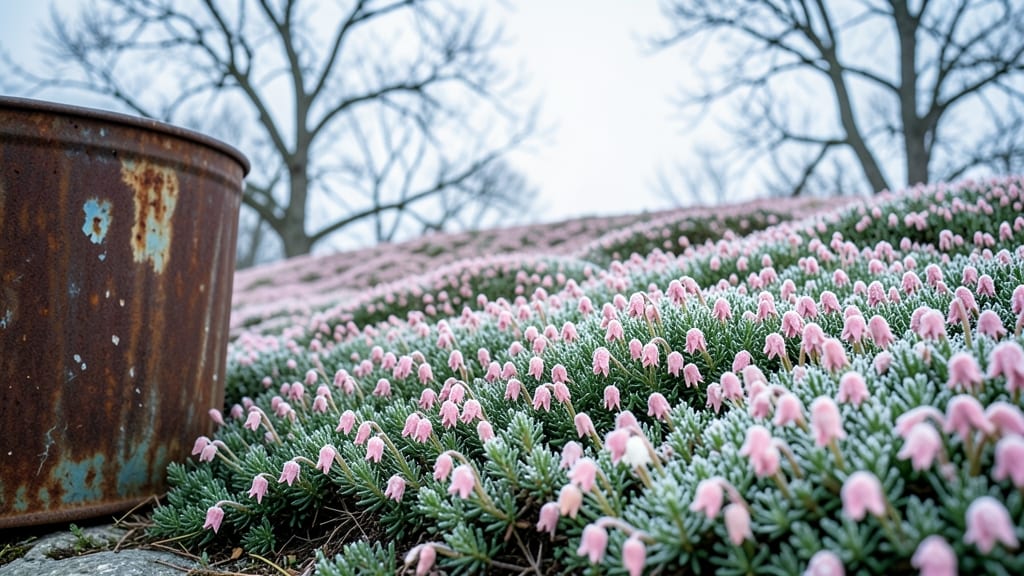
Transform bare slopes or container edges into fragrant living carpets with heather—specifically the ‘Winter Beauty’ variety. This dwarf ground cover blankets the ground with pink or white flowers that release a sweet, honey-like scent when brushed, making it perfect for fall and winter interest.
Thriving in USDA zones 4-8, heather prefers well-draining soil and full sun to partial shade, tolerating even rocky or sandy conditions. Prune back by half after flowering to encourage dense growth, and water sparingly—these plants are drought-tolerant once established. Their low height (6-12 inches) makes them ideal for edging, cascading over container sides, or stabilizing erosion-prone hillsides.
Urban gardeners and small-space enthusiasts will love how heather fits into tight corners or vertical planters, while pollinators adore its late-season blooms. Plant in fall or early spring for the best root establishment before winter’s chill. 🌷
Winter Aconite Bright Spots

When your garden borders look bare by December, winter aconite (Eranthis hyemalis) steps in like a cheerful understudy, pushing through frost with buttercup-like yellow blooms that light up shady corners. This hardy perennial thrives where other plants retreat, making it the ultimate gap-filler for poor, rocky, or neglected soil—no pampering required.
Plant the corm-like tubers in fall or early winter (they need cold to trigger blooms) and watch them emerge in late December to February, often before snowdrops. Their glossy, dark green leaves add texture even after flowering, and they’re deer-resistant, a bonus for rural gardens. For best results, group them in drifts of 10+ under deciduous trees or along foundation plantings where their sunny faces will catch your eye.
Perfect for beginner gardeners or anyone tired of winter doldrums, winter aconite proves that color and life can thrive even when the world feels dormant. 🌟