
Blooming
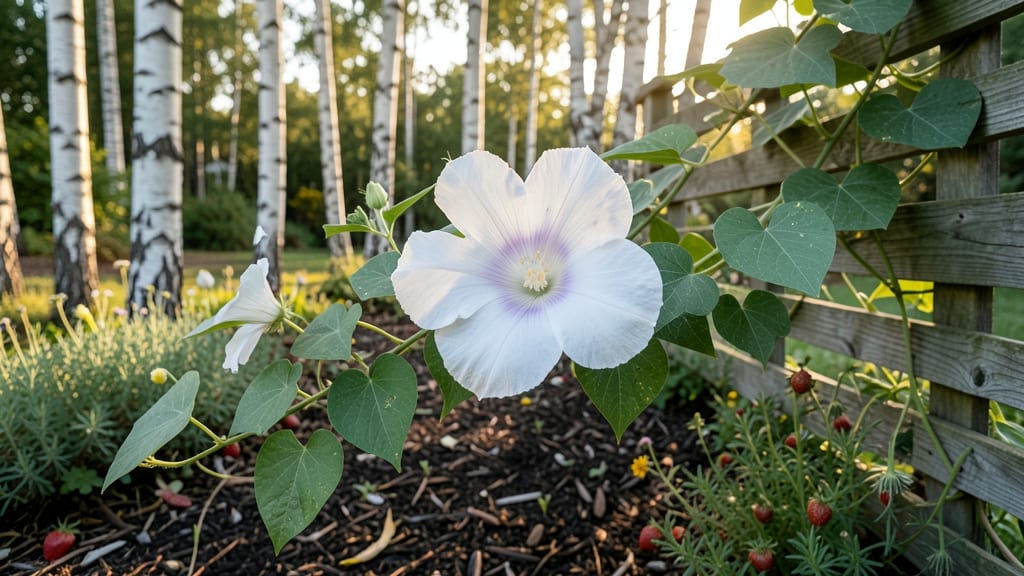
Moonlight-blooming flowers transform your garden into a twilight wonderland. ✨ I remember the first time I walked my backyard at midnight—my moonflower unfurled like a giant white lantern, its petals glowing softly in the dark.
These nocturnal beauties don't just survive the night; they thrive in it, turning evenings into magical experiences.
The secret lies in their natural rhythms—some open as dusk falls, others release intoxicating scents only after dark. Moonflowers, night-blooming jasmine, and four o'clocks aren't just plants; they're nighttime performers. Plant them near seating areas or along garden paths where their luminous petals create a dreamy ambiance.
Even reflective foliage like silver sage adds to the moonlit glow without needing flowers.
Imagine sipping tea under a canopy of fragrant blossoms while fireflies dance around you. These plants attract pollinators after sunset too, making your garden a nighttime hotspot for bees and moths. The key is placement: group them with soft lighting or near water features to amplify their ethereal beauty.
Perfect for romantic gardens, meditation spaces, or just adding drama to your evenings. Whether you have a full yard or a balcony pot, these flowers bring the magic of moonlight to life—no blacklight required.
📚 In This Guide
- What you need
- Instructions
- Tips and common mistakes
- Wrapping up and next steps
What you need
- ● Moonlight-loving flowers (5–10 plants): Moonflower (Ipomoea alba) – 1–2 vines (fast-growing, needs trellis)
- ● Night-blooming jasmine (Jasminum sambac) – 1–3 bushes (fragrant, compact)
- ● Evening primrose (Oenothera) – 3–5 plants (self-seeding, drought-tolerant)
- ● Queen of the Night (Selenicereus grandiflorus) – 1–2 cacti (slow-growing, dramatic blooms)
- ● Soil & containers: Well-draining potting mix (10–15 lbs) – or native soil amended with compost (20% compost ratio)
- ○ Containers (optional): 5–10-gallon pots with drainage holes (for potted arrangements)
- ● Planting tools: Trowel (1 medium-sized)
- ○ Garden gloves (1 pair, optional but recommended)
- ● Pruners (1 pair, for trimming dead blooms)
- ○ Lighting (optional but magical): Solar-powered LED garden lights (3–5, for accent lighting)
- ● String lights (1–2 strands, for ambiance)
- ● Prerequisites: Full sun to partial shade location (6+ hours of sunlight daily)
- ● Watering can or hose with gentle spray nozzle
- ● Patience! Some flowers (like Queen of the Night) take years to bloom fully.
- ● 🌡️ Temperature matters: Most moonlight bloomers thrive in USDA Zones 7–11. Check your local climate!
- ● ✨ Boost the glow: Add reflective mulch (like white pebbles) around plants to enhance nighttime visibility.
- ● 🎯 Pollinator-friendly: Plant companion flowers (e.g., lavender) to attract moths—nature’s nighttime pollinators!
Step-by-Step guide to creating a moonlit flower garden
Here's how to craft a garden that sparkles under the night sky.
🌱 Step 1: Select the Right Nocturnal-Blooming Varieties
Start with flowers known for their nighttime beauty. Moonflower (Ipomoea alba) unfurls large, pale blooms that glow softly after dark, while Evening Primrose (Oenothera biennis) emits a delicate fragrance at night. Angel's Trumpet (Brugmansia) produces fragrant, trumpet-shaped flowers that open only after sunset. I always include at least one fragrant variety—like Night-Scented Stock (Matthiola longipetala)—to fill the evening air with sweetness.
Check each plant's bloom time—some, like Moonflower, open strictly at night, while others (like Evening Primrose) stay open longer but peak after dark. Pair these with silvery foliage plants like Lamb's Ear (Stachys byzantina) to enhance the moonlight effect. Your garden will feel like a secret enchanted glade when the sun sets.
☀️ Step 2: Position for Maximum Moonlight Exposure
Place your moonlit flowers where they'll receive indirect moonlight—typically east-facing beds or areas with unobstructed southern views (where the moon often appears). Avoid deep shade under trees, as even moonlight won't penetrate. I like to create a semi-circular arrangement with the tallest plants (like Angel's Trumpet) at the back and shorter varieties (like Evening Primrose) in front.
Test your spots at dusk for 3-4 nights—notice where moonlight naturally pools. If your garden has reflective surfaces (like a pond or stone path), position flowers nearby to amplify their glow. The key is even, soft lighting—avoid harsh artificial lights that wash out the natural beauty.
💧 Step 3: Prepare Soil for Nocturnal Bloomers
Moonlight flowers thrive in well-draining, slightly acidic soil (pH 6.0-6.5). Work in 2-3 inches of compost to improve fertility without overwhelming roots. I always mix in a handful of perlite or coarse sand to prevent soggy soil—these plants hate wet feet, especially at night when evaporation slows.
For containers, use a lightweight potting mix with added orchid bark (for Angel's Trumpet) or coco coir (for Moonflower). Water deeply once weekly, then only when the top 2 inches of soil feel dry. Overwatering at night can lead to fungal issues—watch for yellowing leaves or mold on stems.
✂️ Step 4: Prune and Maintain for Continuous Blooms
Deadhead spent flowers weekly to encourage new blooms—especially for Moonflower and Evening Primrose, which produce continuously if encouraged. For Angel's Trumpet, trim back leggy stems in early spring to promote bushier growth. I also remove any yellow or damaged leaves immediately—they attract pests that disrupt nighttime blooming.
Fertilize monthly with a balanced, organic fertilizer (like 5-5-5) during the growing season. Avoid high-nitrogen feeds—they boost foliage at the expense of flowers. In late summer, reduce watering slightly to stress the plants just enough to trigger fall blooming cycles.
🪴 Step 5: Enhance with Moonlight-Reflective Accents
Add white or silver mulch (like crushed quartz or white gravel) to reflect moonlight upward. I also incorporate glowing solar lights (placed strategically, not directly illuminating flowers) to create a magical ambiance. For a natural touch, plant silvery foliage like Dusty Miller (Jacobaea maritima) alongside your bloomers.
Test your garden on a full moon night—adjust plant spacing or lighting as needed. The goal is a soft, diffused glow that feels like nature's own spotlight. Avoid bright white lights; warm, amber tones complement the moonlight's cool hue beautifully.
Tips & tricks for perfect moonlit flower gardens
Real talk: The difference between a garden that merely survives the night and one that truly glows comes down to these small but mighty details.
Plant Placement Matters: In Step 2, when positioning your moonlit flowers, avoid the temptation to crowd them. Space Angel's Trumpet at least 3 feet apart—their trumpet-shaped blooms need room to face the moonlight directly. I've learned this the hard way after watching clustered plants compete for light, resulting in fewer blooms. For a true enchanted effect, create a semi-circular arrangement with taller varieties like Angel's Trumpet at the back, letting them cast shadows that highlight the shorter Evening Primrose in front.
Soil Secrets for Nighttime Bloomers: The 2-3 inches of compost mentioned in Step 3 is non-negotiable, but here's what nobody tells you: Mix in a handful of worm castings (if available) for an extra boost of nutrients these night-bloomers crave. For containers, I've found that adding orchid bark to the potting mix creates the perfect airy environment Angel's Trumpet loves. And remember—these plants despise soggy roots, so always check that top 2 inches of soil before watering again.
Timing is Everything: The weekly deadheading in Step 4 prevents spent blooms from sapping energy, but there's a trick: Do this in the late afternoon rather than morning. Removing faded flowers just before sunset gives your plants a chance to focus their remaining energy on opening new blooms that night. For Angel's Trumpet specifically, I trim leggy stems in early spring—this might seem counterintuitive, but it forces the plant to put energy into bushier growth rather than tall, weak stems.
Lighting Magic: When testing your garden's moonlight effect on a full moon night (as mentioned in Step 5), bring a red light (like a flashlight with red cellophane) instead of white light. Red light won't disrupt the plants' natural nighttime cycles, while white light can confuse them. For the most enchanting effect, position your glowing solar lights at the edges of the garden—this creates a natural "halo" effect around your moonlit bloomers.
Pro Tips for Flowers That Bloom In Moonlight
- Real talk: The difference between a garden that merely survives the night and one that truly glows comes down to these small but mighty details.
- Plant Placement Matters: In Step 2, when positioning your moonlit flowers, avoid the temptation to crowd them.
- For containers, I've found that adding orchid bark to the potting mix creates the perfect airy environment Angel's Trumpet loves.
Frequently asked questions
Got questions about moonlight-blooming flowers? You’re not alone! Here are some of the most common queries—and their answers—to help you bring enchanting nighttime blooms to your garden.
Do moonlight-blooming flowers really glow in the dark?
Not all moonlight-blooming flowers glow like fireflies, but many—such as Moonflower (Ipomoea alba) and Evening Primrose (Oenothera biennis)—reflect moonlight beautifully, making them appear luminous in low light. Others, like Night-Blooming Jasmine (Cestrum nocturnum), emit a soft fragrance that feels magical after sunset. Think of them as nature’s subtle spotlight!
When is the best time to plant these flowers for nighttime blooms?
Most moonlight-blooming flowers thrive when planted in early spring (after the last frost) or late summer to establish roots before cooler weather. However, tropical varieties like Moonflower can be sown directly in warm soil (70°F+) for summer blooms. Always check your specific variety’s hardiness zone for timing tips!
Can I grow moonlight flowers in containers or small spaces?
Many night-bloomers, including Night-Scented Stock (Matthiola longipetala) and Four O’Clocks (Mirabilis jalapa), thrive in containers as long as they get 6+ hours of sunlight daily and well-draining soil. Just ensure pots are large enough (at least 12 inches deep) to support their roots. Perfect for balconies or patios!
Why aren’t my moonlight flowers blooming at night?
If your flowers aren’t opening after dark, check these common issues:
- Light exposure: Some varieties need full sun during the day to trigger night blooms.
- Temperature: Cool evenings (50–70°F) often encourage night blooming.
- Watering: Overwatering can stress plants; aim for 1 inch of water per week.
- Pollinators: Some flowers (like Moonflower) bloom at night to attract moths—if you see no activity, they may not be pollinated.
Are there any low-maintenance moonlight flowers for beginners?
If you’re new to night-blooming gardens, start with these easy-care picks:
- Evening Primrose – Drought-tolerant and self-seeding.
- Night-Blooming Cereus (Queen of the Night) – Thrives in pots with minimal care.
- Angel’s Trumpet (Brugmansia) – Hardy once established (but toxic; keep away from pets).
Wrapping up and next steps
There’s something truly magical about flowers that bloom under the moonlight—they turn your garden into a dreamy, luminous escape after sundown. Whether you’re drawn to the delicate glow of Moonflower or the ethereal beauty of Evening Primrose, these nocturnal blooms add enchantment and intrigue to any space. 🌙✨
Ready to bring this celestial charm into your life? Start small—plant a single Moonflower vine or a cluster of Night-Blooming Jasmine in a pot or garden bed. Before you know it, your evenings will sparkle with nature’s own fireworks. Happy gardening!