
Flowers
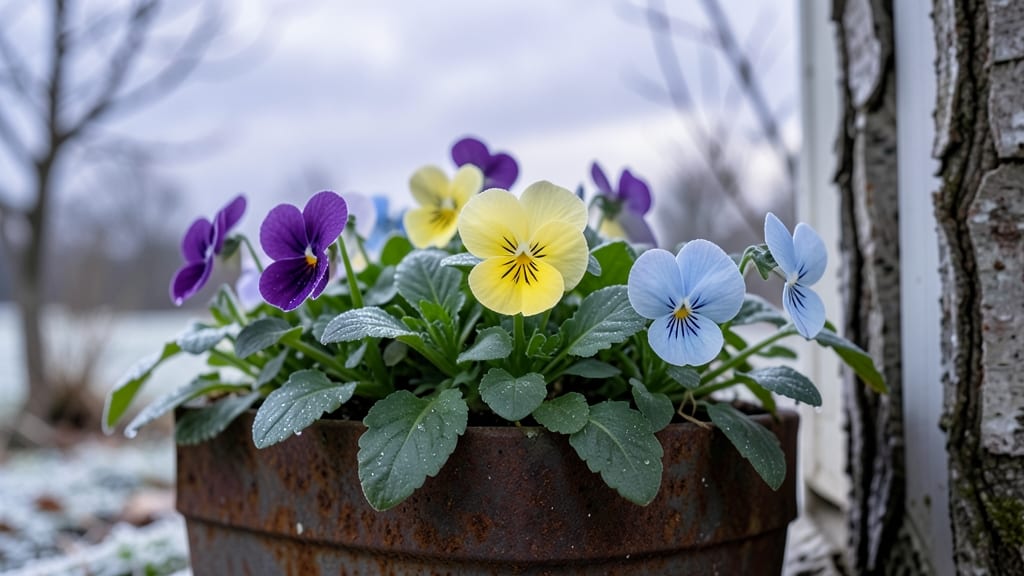
November gardens don’t have to be colorless—these hardy flowers defy frost and bring late-season beauty. Discover cold-resistant blooms that thrive when most gardens fade, perfect for extending your seasonal display.
Chrysanthemums for Autumn Elegance
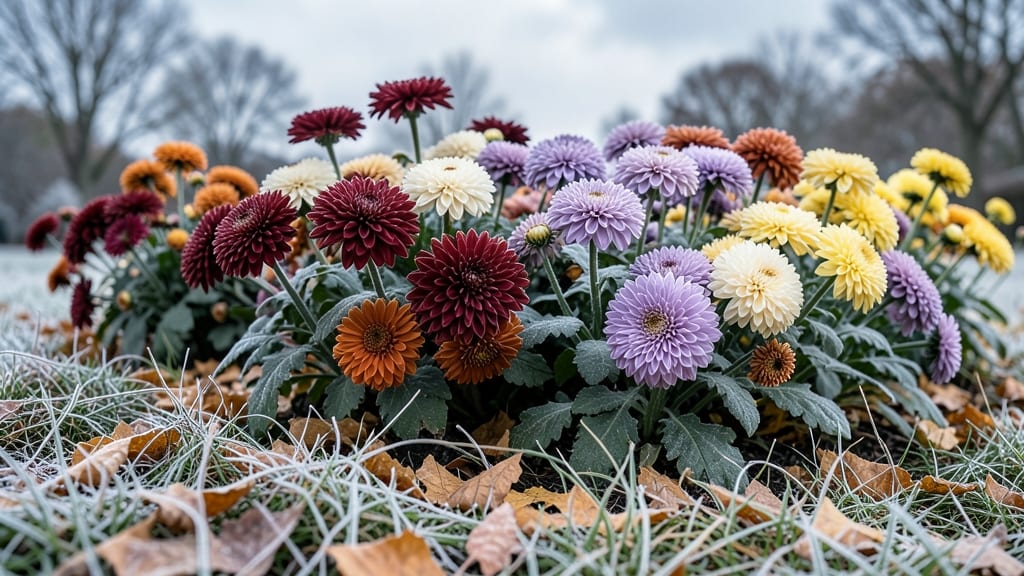
When your garden seems to fade into dormancy, chrysanthemums step in as November’s star performers. With over 50 varieties—from fluffy pompons to delicate sprays—these hardy blooms thrive in cooler temperatures and bring vibrant colors to frost-kissed landscapes.
Plant them in full sun to partial shade and deadhead regularly to encourage continuous blooms until the first hard frost. Their pollinator-friendly nature makes them a garden hero, attracting bees and butterflies even in late autumn. Choose dwarf varieties for containers or let larger types reach 3 feet for dramatic garden beds.
Perfect for beginners and experienced gardeners alike, chrysanthemums add year-round structure when paired with evergreens. Their versatility makes them ideal for borders, cut flowers, or even Thanksgiving centerpieces. 🌻
Pansies Resisting Frost’s Bite
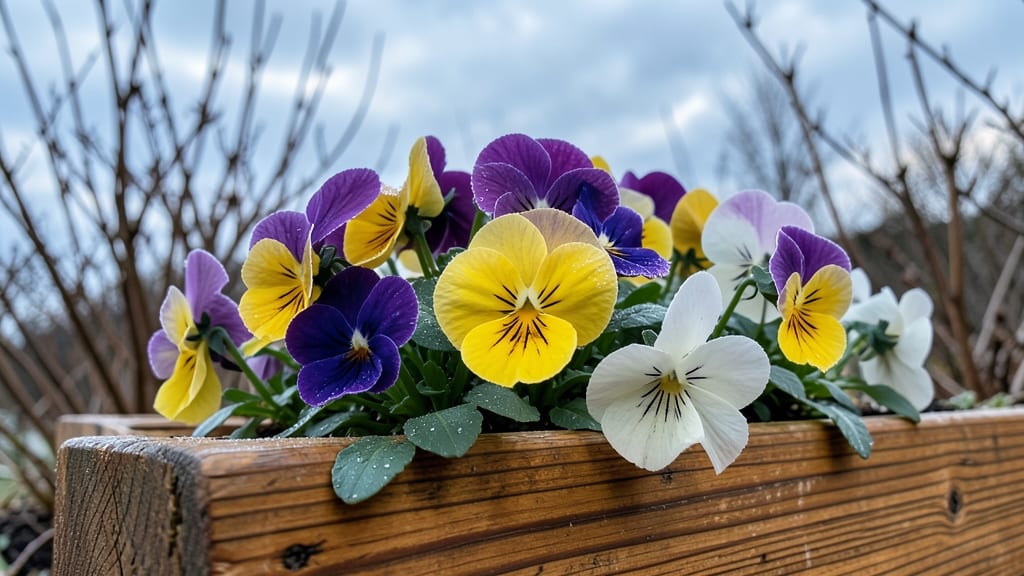
When most gardens fade into dormancy, pansies stand out like cheerful confetti, blooming boldly in November’s crisp air. These cold-hardy annuals thrive in temperatures down to 20°F, making them perfect for late-season color in containers, raised beds, or edging borders.
Choose from purple, yellow, or white varieties for a pop of color, and plant them in well-draining soil with at least 6 hours of sun (they tolerate partial shade too). Deadhead spent blooms to encourage more flowers, and fertilize lightly every 4-6 weeks. Their sweet, honey-like fragrance adds a bonus sensory treat.
Urban gardeners and small-space lovers will adore pansies—they’re compact, easy to grow, and even edible (though best used sparingly in salads). For a winter wonderland touch, pair them with evergreens or dusted pansies with a light frost. 🌷
Sweet Alyssum for Winter Sweetness
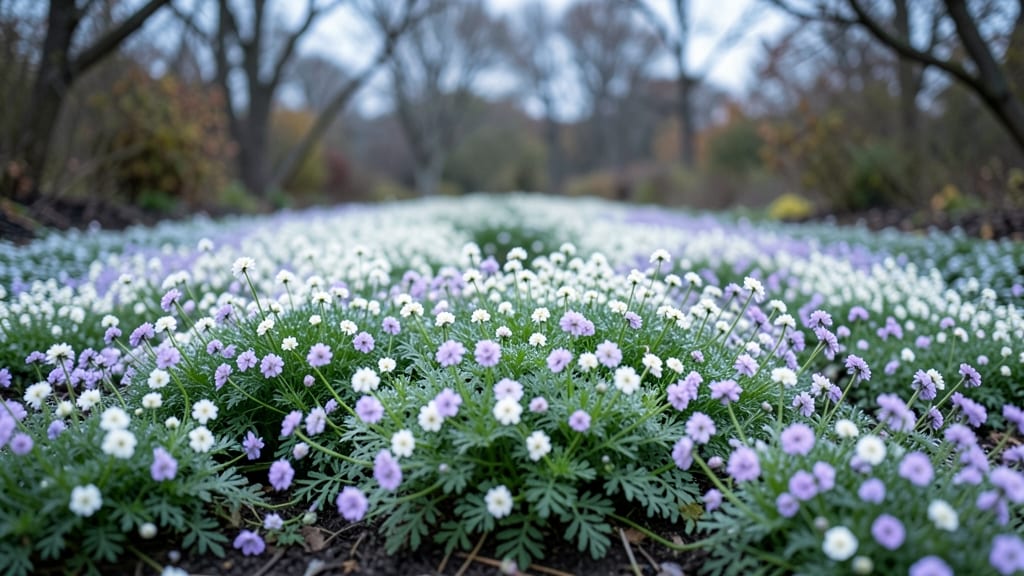
When November’s crisp air fills your garden with a sweet, honey-like scent, sweet alyssum is the unsung hero you’ll want to plant. These tiny white or purple blooms create a fragrant carpet that thrives in cooler temperatures, making them perfect for late-season color and texture.
Sweet alyssum is incredibly versatile—use it as a ground cover** in garden beds or let it cascade beautifully from hanging baskets. It prefers full sun to partial shade and blooms continuously from fall through winter, attracting beneficial insects like hoverflies. Deadhead spent blooms to encourage more flowers, and watch it thrive even when temperatures dip below freezing.
This low-maintenance annual is ideal for beginners or anyone looking to add fragrance and charm to their winter garden without the fuss. 🌱
Cyclamen’s Unique Winter Bloom
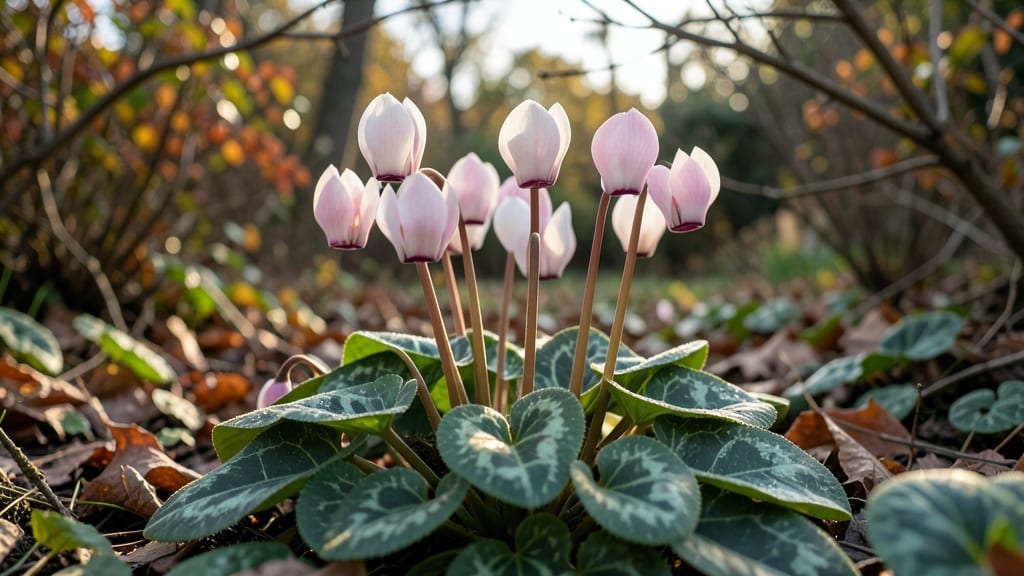
When most gardens fade into dormancy, cyclamen emerges as a stunning exception with its exotic, nodding blooms that appear in November. These delicate flowers, often in soft pink or white, create a whimsical focal point in shaded areas where other plants struggle.
Native to Mediterranean regions, cyclamen thrives in partial to full shade, making it perfect for woodland gardens or patios with dappled sunlight. Its heart-shaped leaves add texture, while the flowers' unique downward-facing shape creates a magical, almost fairy-tale appearance. For indoor displays, place them in bright, indirect light away from heating vents to prolong their bloom.
Perfect for beginners or urban gardeners with limited space, cyclamen’s winter charm requires minimal care—just keep the soil lightly moist and avoid overwatering. Their late-season beauty makes them a standout choice for adding color when your garden needs it most. ✨
Calendula for Edible November Beauty
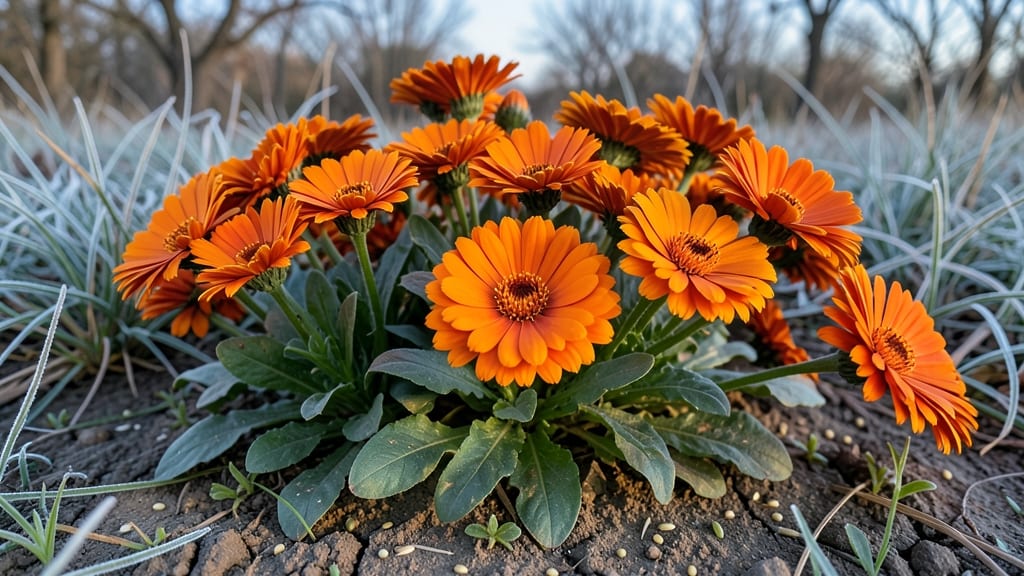
If you crave color and flavor in your November garden, calendula delivers both with its cheerful bright orange blooms that stay vibrant even when temperatures dip. These hardy flowers aren’t just pretty—they’re edible, repel pests, and double as a natural remedy for skin irritations.
Sow seeds directly in well-draining soil after the last frost, spacing them 12-18 inches apart for full sun exposure. Calendula thrives in USDA zones 2-11, making it one of the most adaptable late-season flowers. Harvest petals in the morning for salads or infuse them in oil for homemade skincare.
Urban gardeners and herbalists will love this dual-purpose plant for its year-round benefits—from pest control to culinary uses. 🌻
Hellebores Bringing Early Spring Colors
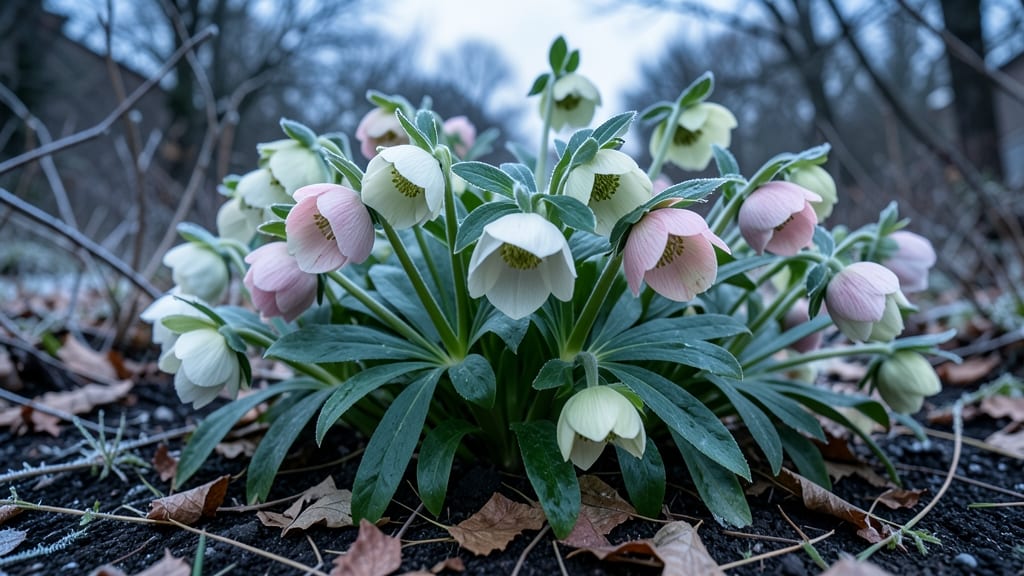
When your garden seems to fade into dormancy, hellebores emerge as nature’s understated heroes—blooming in November with delicate cups of white, pink, or green that defy winter’s chill. Unlike other late-season flowers, these evergreen perennials offer year-round interest, with glossy foliage that stays vibrant even when most plants have turned brown.
Thriving in shady spots where few plants dare to grow, hellebores are nearly foolproof: water them occasionally, avoid heavy mulch (they prefer well-draining soil), and watch them reward you with blooms that last for weeks. Their nodding flowers even collect snowflakes like tiny umbrellas, adding whimsy to winter landscapes. Perfect for woodland gardens or as a living mulch under trees, they’re the ultimate low-maintenance shade plant.
These quiet beauties are ideal for gardeners who crave color without fuss—especially in USDA zones 4-9—and they pair beautifully with ferns or hostas for a lush, evergreen foundation. 🌱
Sweet William for Late-Season Cut Flowers
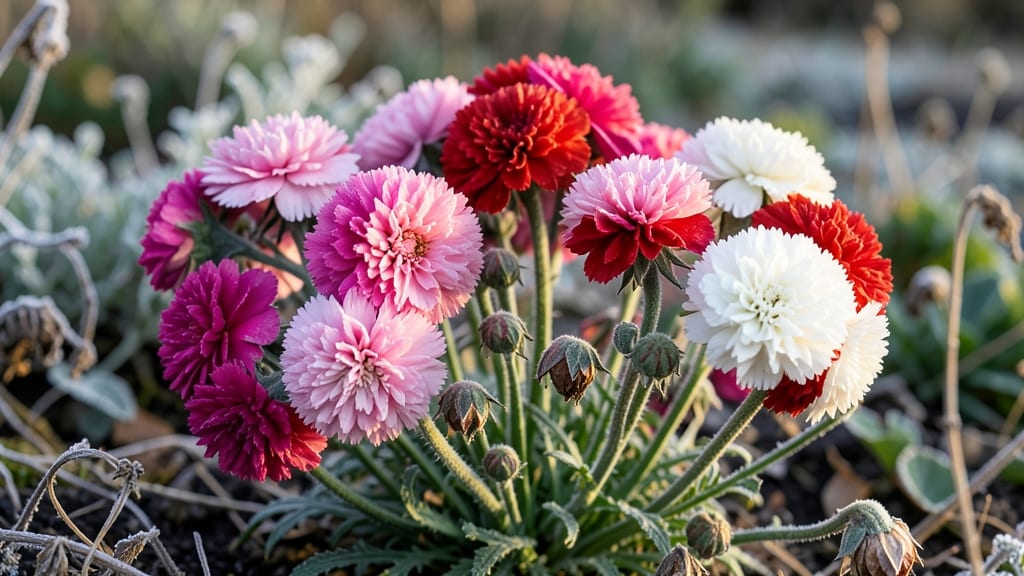
When most gardens are winding down, Sweet William steps up with its vibrant clusters of blooms in pink, red, or white, thriving right through November. This clumping perennial offers a burst of color perfect for late-season bouquets or pollinator-friendly borders, with flowers that last up to a week in vases.
Plant Sweet William in well-drained soil with full sun to partial shade, and deadhead spent blooms to encourage more flowers. Its compact habit makes it ideal for edging or container gardens, while its nectar-rich blooms attract bees and butterflies when few other flowers remain. Varieties like 'Salmon Beauty' or 'Black Prince' add striking contrast to autumn landscapes.
Gardeners who love long-lasting cut flowers or pollinator support will appreciate this hardy perennial—it’s the perfect way to extend your garden’s season with minimal effort. 🌻
Stock Flowers for Fragrant November Gardens
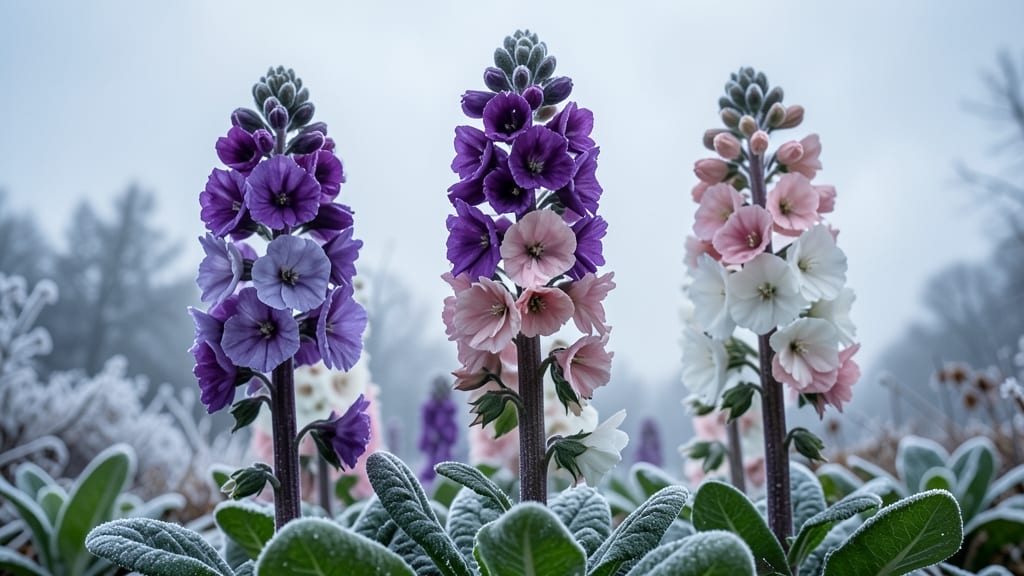
Transform your late-season garden into a fragrant sanctuary with stock flowers, whose towering spikes of purple, white, or pink blooms release intoxicating scents that linger in crisp November air. These hardy biennials thrive in cooler temperatures, making them perfect for extending your garden's charm when most flowers have faded.
Plant stock flowers in well-drained soil with full sun exposure, and watch their vertical spikes reach 2-4 feet tall—ideal for cutting arrangements or adding dramatic height to borders. Varieties like 'Giant Purple' or 'White Queen' offer both beauty and fragrance, attracting bees while repelling pests. Deadhead spent blooms to encourage continuous flowering.
Gardeners with limited space will love how stock flowers add structure without overwhelming small beds, while urban gardeners can grow them in containers. Their late-season blooms provide a striking contrast against autumn foliage. 🌻
Daffodils Pushing Through Frost
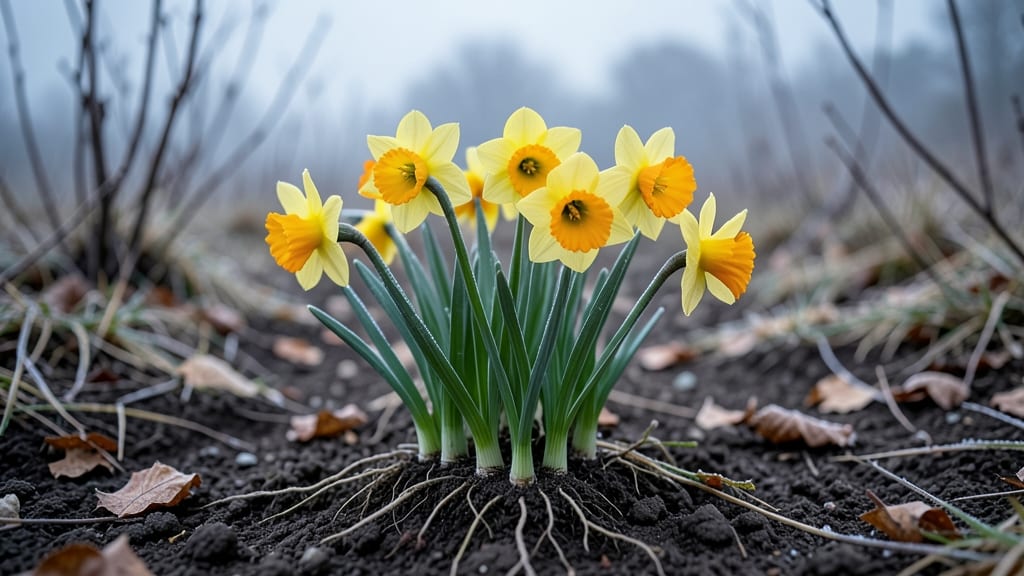
When most gardens have gone quiet, daffodils burst through the soil in November, their bright blooms defying winter’s chill. These early risers thrive in USDA zones 3-9, emerging even when temperatures dip below freezing—making them the perfect harbingers of spring.
Plant daffodil bulbs in fall (October-November) for November blooms, choosing varieties like Jonquil or Ice Follies for early color. They require well-draining soil and full sun, but their hardiness means less fuss than many spring bulbs. Deadhead spent blooms to encourage stronger growth next year.
Perfect for gardeners who want low-maintenance cheer, daffodils brighten borders, containers, or even lawn edges. Their toxicity deters deer and squirrels too! 🌱
Violas for Cool-Weather Containers

When your garden seems to fade into dormancy, violas step in as tiny, cheerful heroes—delicate blooms in blue, yellow, or purple that thrive in November’s chill while most flowers retreat. These compact cousins of pansies are perfect for window boxes or patio containers, offering a splash of color when you need it most.
Violas love partial shade but tolerate full sun if kept moist, making them ideal for urban balconies or cozy porches. Their self-cleaning blooms (they drop spent flowers naturally) mean less deadheading, and they even handle light frosts better than pansies. Choose trailing varieties like 'Johnny Jump Up' for cascading containers or 'Delta' for bushier displays.
These low-maintenance beauties are a gardener’s secret weapon for extending the season—ideal for beginners or anyone who wants year-round interest with minimal effort. 🌷