
Blooming
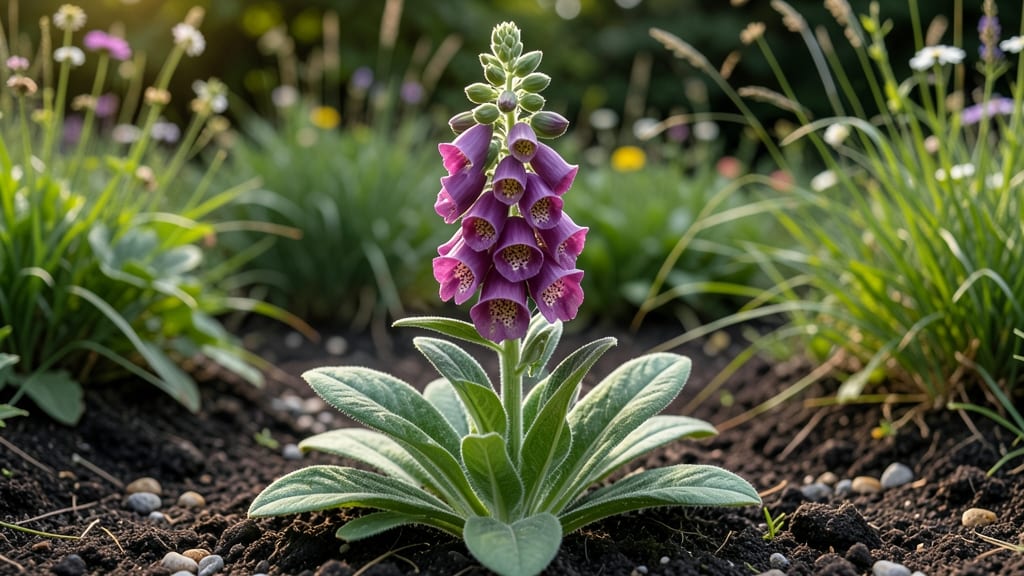
Foxglove flowers bloom in their second year, with timing that depends on when you planted them and your climate zone—typically between June and August for most U.S. gardens.
If you’ve ever waited eagerly for foxglove’s dramatic spikes to bloom—only to be left wondering why they’re late or how to time your garden for their stunning floral displays—this guide unlocks the secrets behind their bloom cycles across U.S. climate zones.
In Zone 6a, where many gardeners grow foxglove 🌸, expect the first flush of flowers around mid-June if planted in spring, but cooler summers can delay blooms until July or August.
Biennials may even surprise you with a second round of flowers in late summer, while perennials can keep blooming for years if given the right care.
Below, I’ll break down how sunlight, soil, and even your watering habits can shift bloom times—and the simple tricks to coax earlier, more reliable spikes from your foxglove every season.
Foxglove bloom time by USDA climate zones: when to expect first & second flower spikes
Foxglove (Digitalis purpurea) is famous for its dramatic vertical spikes of bell-shaped flowers, but their bloom timing varies wildly depending on your USDA climate zone.
Most gardeners know foxglove is biennial—meaning it blooms in its second year—but perennial varieties and local climate quirks can shift those timelines dramatically.
Let’s break down exactly when to expect those first and second flower spikes across Zones 3 through 9, plus why some years deliver delayed blooms.
The key to predicting foxglove bloom time lies in cold stratification—a process where seeds (or plants) experience cool winter temperatures to trigger flowering.
In colder zones (Zones 3-5), this happens naturally, while warmer zones (Zones 7-9) may need artificial chilling or winter mulch to mimic these conditions. Even then, second-year blooms can be unpredictable, often arriving 4-6 weeks later than the first spike.
Here’s the zone-by-zone breakdown of foxglove bloom windows, including average first and second bloom months, plus why some zones struggle with reliable repeat blooms. Use this as your garden planning calendar to time companion plants and deadheading strategies for maximum impact.
In Zones 3-5, foxglove thrives as a true biennial, with first blooms arriving in late June or July after a full winter of cold stratification. The second spike typically follows 6-8 weeks later, but harsh winters can delay this by 2-3 weeks.
Gardeners in these zones often report more reliable blooms because the natural freeze-thaw cycles perfectly mimic the plant’s dormancy requirements.
By Zone 6, the bloom window shifts slightly later—mid-July to early August for the first spike—because milder winters mean less intense cold stratification. However, this zone is ideal for perennial foxglove varieties, which may produce smaller but repeat blooms if you deadhead spent flowers.
The second bloom in Zone 6 often extends into early October, giving you a longer display than in colder zones.
Gardeners in Zones 7-9 face the biggest challenges with foxglove bloom timing. Without artificial cold treatment, seeds may skip flowering entirely
How to trigger earlier or repeat foxglove blooms: pro gardener hacks
Foxglove’s stunning bell-shaped blooms often arrive later than expected, but with the right techniques, you can coax earlier spikes or even repeat flowering. The key lies in understanding their natural biennial growth cycle—where most varieties bloom in their second year—and how to manipulate conditions for better results.
Many gardeners assume foxglove blooms only once, but with strategic deadheading and soil adjustments, you can encourage repeat blooms or push timing forward by 3-4 weeks. The secret? Combining proper watering, light fertilization, and companion plants that support their growth without competition.
🌱 Top 5 Pro Tips to Extend Foxglove Blooms
- Deadhead spent blooms immediately to redirect energy to new flower spikes.
- Adjust soil pH to 6.0-7.0—acidic soil delays blooming.
- Water deeply 2x/week during bud formation (May-June).
- Plant near comfrey or yarrow to boost nutrient uptake.
- Avoid over-fertilizing—foxglove blooms best with moderate nutrients.
For first-year blooms, sow seeds indoors 10-12 weeks before your last frost date. Use cool stratification (40°F for 4-6 weeks) to mimic winter conditions, which tricks foxglove into bolting earlier. In USDA Zones 5-7, this often results in July-August blooms instead of waiting for the next year.
If your foxglove refuses to bloom, check for these common culprits: overcrowding, poor drainage, or excessive shade. Move plants to partial sun (4-6 hours daily) and thin seedlings to 12 inches apart.
A light application of bone meal (1 tbsp per plant) in early spring can also stimulate flowering.
To repeat blooms, deadhead only after flowers fade—never cut the entire spike. This leaves seed pods intact, which can trigger secondary blooms in late summer. Pair foxglove with dwarf coneflowers or salvias to create a long-blooming display that lasts from June through September.
Remember: foxglove’s biennial nature means patience pays off. With these proven hacks, you’ll enjoy earlier, longer-lasting blooms—and maybe even a second show before winter sets in. 🌸