
Blooming
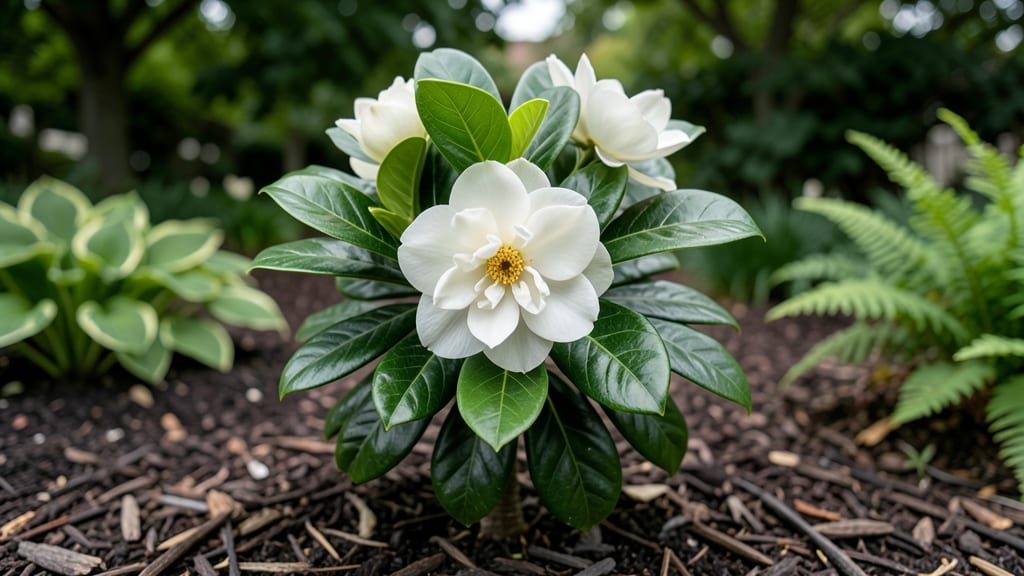
Your gardenia’s heavy, intoxicating blooms arrive when temperatures hit that sweet spot—usually late spring through summer, but timing varies wildly by climate. 🌸 I’ve watched my outdoor gardenias burst into fragrant white clusters in May, only to see indoor varieties bloom sporadically year-round when given the right coaxing.
The secret? Heat triggers flowering, but too much sun or inconsistent care can throw off the whole cycle.
In warmer zones (8-10), gardenias often bloom spring through fall, while cooler climates (6-7) might get just one flush in summer. Indoor plants, though, can flower anytime if you mimic their tropical roots—think humidity, indirect light, and a steady 65-75°F temperature.
The key is patience: gardenias reward consistent care with months of those signature creamy-white blooms that smell like a summer wedding.
Prune right after blooming to encourage new growth, and feed with acidic fertilizer every 4-6 weeks during active growth. I’ve seen gardenias that refused to bloom for months—until I adjusted their watering (they hate soggy roots) and gave them a spot with dappled shade.
The payoff? A plant that keeps gifting you those heavy, waxy blooms for weeks at a time.
Whether you’re dealing with a finicky outdoor bush or a wilting houseplant, the same rules apply: heat, humidity, and a little TLC. Master these, and your gardenia will bloom like clockwork—even in unexpected seasons. Let’s troubleshoot your specific situation next.
📚 In This Guide
- What you need
- Instructions
- Tips and common mistakes
- Wrapping up and next steps
What you need
- ● Gardenia plants: 1–3 mature gardenias (varies by pot size; choose Gardenia jasminoides for best results)
- ○ Optional: Dwarf varieties (e.g., 'Kleim’s Hardy' or 'Radicans') for smaller spaces
- ● Growing containers: 1–3 pots (12–18" diameter) with drainage holes
- ● Material: Terracotta (breathable) or ceramic (retains moisture)
- ● High-quality potting mix: 5–10 gallons of acidic, well-draining mix (pH 5.0–6.5)
- ● Recipe: 60% peat moss or coconut coir + 30% perlite + 10% pine bark fines
- ● Heat source: Grow lights: 1–2 full-spectrum LED bulbs (10,000–15,000 lux, 12–14 hrs/day)
- ● OR Heat mat (70–80°F range) for pots
- ○ Optional: Space heater (keep 3–5 ft away; monitor temps with a thermometer!)
- ● Fertilizer: Acid-loving plant fertilizer (e.g., Miracle-Gro Azalea/Camellia or Fish emulsion 5-1-1)
- ● Dosage: 1 tsp per gallon of water, every 4–6 weeks
- ● Humidity tools: Humidifier or pebble tray + shallow water dish
- ● Misting bottle (for occasional spritzes)
- ● Pruning shears: Sharp, sterilized pair (for deadheading and shaping)
- ● pH test kit: Digital or liquid strips to monitor soil acidity
- ● Mulch: 1–2 inches of pine bark or sphagnum moss (retains moisture + acidity)
- ● Location: Bright, indirect light (east/west-facing window or under grow lights)
- ● Temperature: Consistent 65–75°F (gardenias hate drafts or cold shocks!)
- ● Water: Distilled or rainwater only (tap water can raise pH)
- ● Patience: Gardenias thrive on routine—blooms may take 8–12 weeks to trigger!
- ● Pro tip: 💡 Test your setup 2 weeks before planting—adjust heat/humidity to mimic summer conditions!
How to time gardenia blooms for peak fragrance and beauty
Here's how to coax those iconic white blooms into appearing exactly when you want them.
☀️ Step 1: Understand the Heat Trigger
Gardenias bloom in response to consistent warmth—not just any warmth, but steady temperatures above 65°F. I've found that blooms begin 4-6 weeks after the plant experiences three consecutive days of 70°F+ temperatures. This is why gardenias often wait until late spring or summer to flower in cooler climates.
Watch for new growth—thick, glossy leaves with a slight reddish tint at the edges—this signals the plant is ready to respond to heat. If you're growing indoors, a heat mat set to 75°F under the pot can mimic outdoor conditions and trigger blooming 2-3 weeks earlier than natural timing.
🌱 Step 2: Create Ideal Growing Conditions
Gardenias need bright, indirect light for at least 6 hours daily. Place them near an east-facing window or under a grow light that mimics natural sunlight. Direct afternoon sun will scorch the delicate leaves, and too little light means weak stems that won't support blooms.
Keep humidity high—50-60% or higher—by misting leaves daily or placing the pot on a tray filled with pebbles and water. You'll know the humidity is right when water droplets form on the leaves in the morning but evaporate by midday. Low humidity causes buds to drop before opening.
💧 Step 3: Master the Watering Schedule
Water when the top 1-2 inches of soil feel dry, but never let the plant sit in soggy soil. Gardenias are sensitive to root rot, and overwatering is the #1 reason buds fail to open. I use the "finger test" method—stick your finger in the soil, and if it feels like a damp sponge, wait one more day.
Use room-temperature, slightly acidic water (pH 5.5-6.5). Cold water shocks the roots, while alkaline water locks out nutrients. If your tap water is hard, collect rainwater or use distilled water mixed with a few drops of white vinegar to lower the pH.
✂️ Step 4: Prune Strategically for More Blooms
Prune after the last bloom of the season to encourage new growth. Cut back leggy stems by one-third just above a leaf node where new buds form. I always use clean, sharp pruners to avoid tearing the bark, which invites disease.
Remove any yellow or brown leaves immediately—they sap energy from the plant. You'll see new growth within 2-3 weeks if the plant is healthy. This fresh growth is what produces the next flush of blooms, so don't skip this step.
🌿 Step 5: Feed for Continuous Blooming
Use a balanced, acidic fertilizer (10-10-10 or 20-20-20) diluted to half-strength every 4-6 weeks during the growing season. Over-fertilizing causes salt buildup in the soil, which burns roots and stops blooming. Always water the plant thoroughly before and after fertilizing to prevent root damage.
In fall, switch to a low-nitrogen, high-phosphorus fertilizer (like 5-10-10) to encourage bud formation. You'll notice buds forming within 6-8 weeks if the plant is healthy and the conditions are right. This is the key to getting blooms year-round in warmer climates.
Tips & tricks for perfect gardenia bloom timing
These insider secrets will help you master the delicate balance of heat, light, and care that unlocks gardenia blooms on your schedule.
Heat Consistency is Key: The three consecutive days of 70°F+ temperatures mentioned in Step 1 aren't just arbitrary—they trigger a physiological response in the plant. I recommend using a small thermometer near your gardenia to track temperatures, especially if you're growing indoors. Fluctuations below 65°F can delay blooming by weeks, while consistent warmth above 75°F (like with a heat mat) accelerates the process. The secret is stability, not intensity.
Light Quality Matters More Than Quantity: While Step 2 emphasizes 6 hours of bright, indirect light, the quality matters just as much. I've seen gardenias wither under harsh afternoon sun even when they got the required hours. Try placing your plant near an east-facing window where morning light is gentle, or use a sheer curtain to diffuse western light. For indoor growers, LED grow lights with a color temperature of 6500K mimic natural sunlight perfectly and can extend the light spectrum beyond daylight hours.
Humidity Hack for Stubborn Buds: The humidity range of 50-60% in Step 2 is crucial, but achieving it can be tricky in dry climates. My solution? Place a humidifier near your gardenia and set it to 60%. For an even more dramatic effect, create a pebble tray with distilled water (to avoid mineral buildup) and place the pot on top. The evaporation creates a microclimate that keeps humidity consistently high. This simple trick has prevented bud drop in my gardenias during winter months when indoor air gets dry.
Pruning Timing Secret: The 2-3 weeks mentioned for new growth after pruning is accurate, but the timing of your prune matters just as much. I always prune right after the last bloom of the season—this gives the plant maximum time to recover and build energy for the next flowering cycle. Never prune during active blooming or when buds are forming, as this stresses the plant and can cause buds to abort. Use sharp, sterilized pruners to make clean cuts just above leaf nodes where new buds will form.
Pro Tips for Gardenia Bloom Time
- These insider secrets will help you master the delicate balance of heat, light, and care that unlocks gardenia blooms on your schedule.
- Heat Consistency is Key: The three consecutive days of 70°F+ temperatures mentioned in Step 1 aren't just arbitrary—they trigger a physiological response in the plant.
- Light Quality Matters More Than Quantity: While Step 2 emphasizes 6 hours of bright, indirect light, the quality matters just as much.
Frequently asked questions
Got questions about getting those dreamy gardenia blooms? You’re not alone! Here are answers to the most common queries about timing, care, and troubleshooting—so you can enjoy year-round fragrance.
When is the best time to plant gardenias for optimal blooming?
Plant gardenias in early spring (after the last frost) or late summer for best results. This gives roots time to establish before winter, ensuring stronger blooms the following year. If you’re in a warm climate, fall planting also works!
Why aren’t my gardenias blooming, even though they have lots of leaves?
Lack of blooms often stems from over-fertilizing with nitrogen (leaves love it, flowers hate it), poor sunlight (they need 6+ hours of sun daily), or stress (like inconsistent watering or root-bound pots). Try a low-nitrogen, high-phosphorus fertilizer and prune leggy growth to encourage flowers.
Can gardenias bloom indoors year-round, or do they need outdoor conditions?
Yes! With the right care, gardenias can bloom indoors. Place them near a south-facing window, maintain 60–70°F temps, and use a humidifier (they love humidity!). A grow light can help in winter. Just avoid drafts—consistency is key!
What’s the fastest way to encourage gardenias to rebloom after their first flush?
After the first bloom cycle, prune spent flowers and feed with a bloom-boosting fertilizer (like 5-10-10). Ensure they get bright, indirect light and regular watering (keep soil moist but not soggy). A light root trim (if root-bound) can also stimulate new growth!
Are there gardenia varieties that bloom more frequently than others?
‘Radicans’ and ‘Kleim’s Hardy’ are known for reblooming with proper care. ‘Veitchii’ and ‘Fortuniana’ also produce abundant flowers. For year-round blooms, choose heat-tolerant varieties and provide consistent warmth (like a greenhouse or indoor setup).
Still stumped? Drop your gardenia struggles in the comments—we’re happy to help troubleshoot!
Wrapping up and next steps
Gardenia’s heat-triggered blooms are a reward for patience and care—but now you’ve got the secrets to unlock their year-round fragrance magic! 🌸 From mimicking tropical warmth to mastering pruning and soil science, every step brings you closer to a garden (or home!) filled with intoxicating, creamy blooms.
Whether you’re a seasoned gardener or just starting, small adjustments can lead to big, beautiful results.
Ready to transform your space? Start by testing one tip this week—like adjusting your garden’s microclimate or experimenting with a heat lamp. Watch those buds respond, and soon, you’ll be the proud owner of gardenia blooms that last all year! 🌿✨