
Blooming
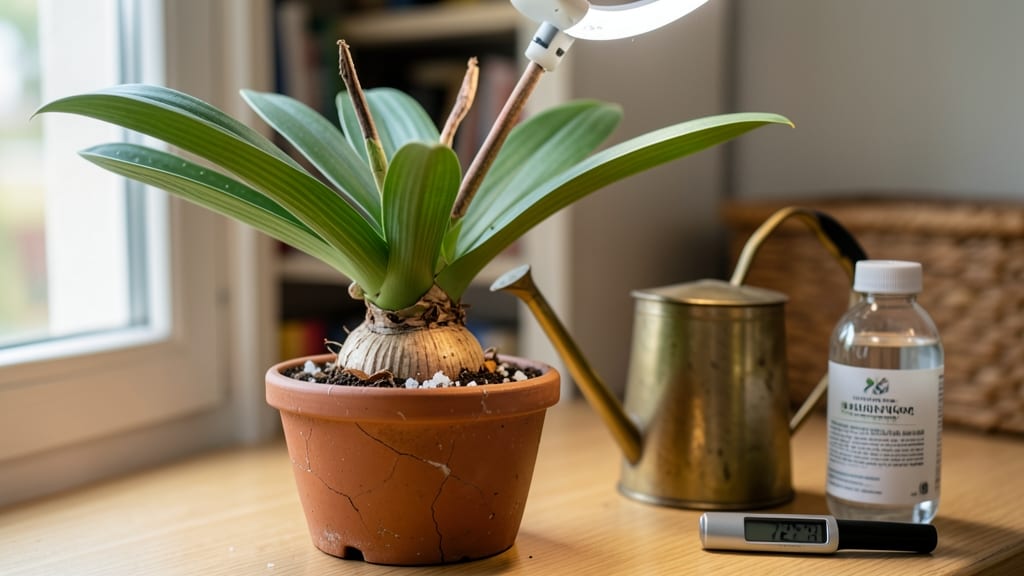
Your amaryllis refuses to bloom again because it’s not getting the right triggers—light, heat, and dormancy are the secret trio that forces those dramatic flowers to return. 🌸 I’ve nursed back three stubborn amaryllis plants this way, and the key isn’t what you’re doing now but what you’ve been missing in their seasonal routine.
Most growers overwater or skip the critical rest period, and that’s exactly why your plant looks healthy but won’t flower.
The fix starts with 6-8 weeks of dormancy after blooming—yes, even if it looks sad. Move it to a cool (50-60°F), dry spot, cut back watering, and stop fertilizing.
Then, when you bring it back to life in early spring, give it bright, indirect light (a south-facing window or grow light) and warmth (70°F+). The bulbs need this push to trigger flower buds deep underground.
By mid-summer, you’ll see a sleek, upright stalk shooting up—proof it’s working. The blooms arrive 8-12 weeks after that stalk appears, and they’ll be bigger than ever if you’ve given the plant consistent moisture (not soggy soil) and a balanced fertilizer every 4-6 weeks during active growth.
Patience is the hardest part, but it’s worth it for those showstopping flowers.
This method works for indoor amaryllis in pots or even outdoor bulbs in warm climates—just adjust dormancy timing to your local frost dates. The first year might take longer, but after that, your plant will bloom reliably if you repeat the cycle.
No more guessing games, just predictable, dramatic flowers every season.
📚 In This Guide
- What you need
- Instructions
- Tips and common mistakes
- Wrapping up and next steps
What you need
- ● Healthy amaryllis bulb: Choose one that’s firm, free of soft spots, or mold (size: 2–4 inches in diameter).
- ● Well-draining potting mix: A blend of cactus/succulent soil (60%) + perlite or pumice (40%) for aeration. Quantity: Enough to fill a pot 2–3 inches deeper than the bulb’s height.
- ○ Pot with drainage holes: Terracotta or ceramic (8–12 inches wide). Optional upgrade: A cache pot (decorative outer pot) for aesthetics.
- ● Watering can with a narrow spout: To avoid overwatering the bulb.
- ● Balanced liquid fertilizer: 20-20-20 or 10-10-10 (diluted to half-strength). Quantity: 1–2 tsp per gallon of water.
- ● Bright, indirect light source: South-facing window or grow lights (12–14 hours/day, 12–18 inches away).
- ○ Thermometer (optional but helpful): To monitor temperatures (ideal: 65–75°F during the day, 55–60°F at night).
- ● Bulb fertilizer spikes: Slow-release granules for convenience.
- ● Humidity tray: A pebble tray with water to increase moisture (especially in dry climates).
- ● Pruning shears: For trimming dead foliage or stems after blooming.
- ● Growth regulator (like B-Nine): To prolong blooms—use sparingly!
- ● Journal or app: Track watering, light, and fertilizer schedules (e.g., Gardenate or a simple notebook).
Step-by-Step instructions for reviving your amaryllis blooms
Here's how I coaxed my stubborn amaryllis back into full bloom—no fancy tricks, just the right timing and care.
🌱 Step 1: Simulate Dormancy for 8-10 Weeks
Move your amaryllis to a cool, dark spot—think 50-60°F—once the leaves yellow and growth slows. This mimics winter dormancy, which triggers the bulb to store energy for blooming. I place mine in a closet or basement, checking monthly to ensure no light sneaks in.
Reduce watering dramatically during dormancy—just enough to keep the soil from shrinking away from the bulb. Overwatering here causes rot. After 8-10 weeks, you'll see the first sign of new growth: a tiny green shoot pushing through the soil.
☀️ Step 2: Bring It Back to Light and Warmth
When you spot that first shoot, move the pot to a bright spot with indirect sunlight (a north or east window works best). Direct sun can scorch new leaves. I keep mine near a window but not in harsh afternoon rays until the leaves strengthen.
Gradually increase warmth to 70-75°F—this jump from dormancy to growth is critical. Place a small space heater nearby if needed, but avoid drafts. Watch for leaves to unfurl fully—this means the bulb is waking up and ready for its next phase.
💧 Step 3: Water and Fertilize for Flower Buds
Once new leaves reach 4-6 inches tall, water deeply when the top 1-2 inches of soil feel dry. Use room-temperature water to avoid shocking the roots. I water in the morning so excess moisture evaporates by evening.
Start fertilizing with a balanced liquid fertilizer (10-10-10) diluted to half-strength every 2 weeks. This feeds the bulb without overwhelming it. Stop fertilizing once flower stalks appear—too much nitrogen now delays blooms.
⏰ Step 4: Encourage the Flower Stalk
When the leaves are 6-8 inches tall, the amaryllis will send up a flower stalk. This can take 6-8 weeks after breaking dormancy. I don’t rush it—patience here pays off. Keep the soil lightly moist but not soggy.
If the stalk grows leggy or flops, stake it gently with a toothpick or small stick. Once buds form, move the plant to a bright, sunny spot (south or west window) for 6-8 hours daily. This boosts color intensity and bloom size.
🌿 Step 5: Maintain After Blooming
After blooms fade, cut the stalk at the base but leave the leaves. They photosynthesize, feeding the bulb for next year’s blooms. I keep fertilizing lightly until leaves yellow again in late summer or early fall.
Repeat the dormancy cycle the following winter, and your amaryllis will bloom reliably year after year. The key? Consistency—light, warmth, and patience. No shortcuts work here.
Tips & tricks for reviving amaryllis blooms
Real talk: The difference between a stubborn amaryllis and one that bursts into glorious bloom often comes down to these small but critical details.
Dormancy is Non-Negotiable: That 8-10 week dormancy period at 50-60°F isn't just a suggestion—it's how amaryllis bulbs recharge. I learned this the hard way after skipping dormancy and getting only half-hearted blooms. Use a dark closet or basement, and resist the urge to peek! Even a little light can trick the bulb into thinking it's time to grow instead of storing energy.
Light Transition Matters: When you move your amaryllis back to light in Step 2, don't rush it to direct sun. Start with indirect light (north or east window) until leaves strengthen—this prevents scorching. I've seen new leaves crisp up in hours when moved too quickly to bright light. Think of it like sunbathing after winter: gradual exposure is key.
Fertilizer Timing is Everything: The instructions mention stopping fertilizer once flower stalks appear, but here's what nobody tells you—too much nitrogen at any point delays blooms. I once over-fertilized during early growth and waited weeks for my amaryllis to send up a stalk. Stick to that half-strength, every 2 weeks schedule religiously until you see that first sign of a stalk emerging.
Staking Saves Your Blooms: That leggy stalk in Step 4? A simple toothpick stake makes all the difference. I've seen beautiful buds flop over before opening because the stalk couldn't support itself. Insert the stake gently when the stalk reaches 4-5 inches tall, and your blooms will stand tall and proud.
Pro Tips for How Do I Get My Amaryllis To Bloom Again
- Real talk: The difference between a stubborn amaryllis and one that bursts into glorious bloom often comes down to these small but critical details.
- Dormancy is Non-Negotiable: That 8-10 week dormancy period at 50-60°F isn't just a suggestion—it's how amaryllis bulbs recharge.
- Light Transition Matters: When you move your amaryllis back to light in Step 2, don't rush it to direct sun.
Frequently asked questions
Got questions about reviving your amaryllis? You’re not alone! Here are some of the most common concerns—and their solutions—to help you coax those stunning blooms back into action.
Why won’t my amaryllis bloom after it’s finished flowering?
After blooming, amaryllis bulbs need a resting period of 6–8 weeks with minimal water and cooler temps (around 55–60°F). Without this break, they won’t store enough energy to bloom again. Think of it like hibernation—patience is key!
How long does it take for an amaryllis to rebloom after resting?
Once you resume care (watering, warmth, and light), buds typically appear in 6–10 weeks. If your bulb is healthy but still slow, check for adequate light—weak light delays flowering. A sunny south-facing window or grow lights can speed things up!
Can I force an amaryllis to bloom out of season?
Yes! Amaryllis are flexible. To trigger blooms in winter or fall, stop watering for 6–8 weeks, then move the bulb to a warm, dark spot. After resting, repot in fresh soil, water lightly, and place in bright light. Buds may form in 8–12 weeks—just avoid fertilizing during the resting phase.
My amaryllis leaves are yellow and drooping—is it dying?
Yellow, floppy leaves often signal overwatering or root rot. Let the soil dry completely between waterings, and ensure the pot has drainage holes. If the bulb feels mushy, trim the rotten parts (sterilized scissors!) and repot in fresh soil. With proper care, it can recover and still bloom!
Should I cut the flower stalk after blooming?
Yes! Once the blooms fade, snip the stalk at the base to redirect the plant’s energy into the bulb and new leaves. Never cut the leaves—they feed the bulb for next year’s blooms. Save the stalk for propagation if you’d like to grow a new plant!
What if my amaryllis only grows leaves but no flowers?
This usually means the bulb isn’t getting enough light or rest. Move it to a brighter spot (6+ hours of direct sun) and ensure it had a proper 6–8 week rest. If the bulb is small or weak, it may need a year or two to build energy. Try a balanced fertilizer (like 10-10-10) during the growing season to boost strength.
Wrapping up and next steps
Getting your amaryllis to bloom again is all about patience, consistency, and the right care—just like nurturing a friendship!
With the perfect balance of light, warmth, and a little dormancy, you’ll soon be rewarded with stunning, vibrant blooms. 🌸 Don’t forget: every plant has its own rhythm, so trust the process!
Ready to see those buds pop? Start by monitoring your plant’s progress—adjust light, water, or temperature as needed—and celebrate each small step. Before you know it, your amaryllis will be thriving and ready to dazzle your space again! 💪