How To
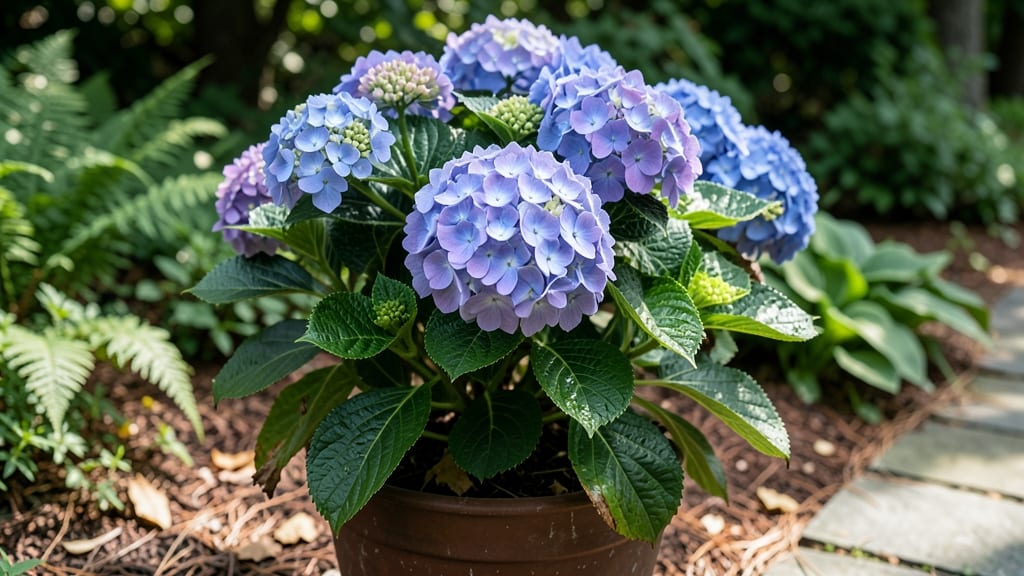
Hydrangeas bloom for varying durations depending on the variety, typically ranging from 4 to 8 weeks per flush, with some late-season types extending into fall. Repeat-blooming varieties like 'Endless Summer' may produce multiple cycles, while seasonal types like 'Annabelle' bloom once but prolifically for 6-8 weeks.
Hydrangeas are like seasonal performers—their bloom time varies dramatically based on whether they're once-blooming or repeat-blooming types. 🌸 For instance, classic varieties like 'Annabelle' put on a spectacular show for 6-8 weeks in midsummer, while late-season stars such as 'Limelight' can keep blooming until frost.
The key to longer displays? Proper pruning and consistent care—like giving them just the right amount of water and fertilizer to encourage multiple flushes.
What surprises many gardeners is how climate plays a role. In cooler zones, blooms may last longer due to slower growth, while hotter regions can shorten the flowering window.
I've found that deadheading spent blooms (removing faded flowers) can sometimes coax a few extra weeks of color from seasonal types, though it won't create a second flush like repeat-bloomers do naturally.
For those with limited patience, repeat-blooming varieties are the clear winners—they reward you with two to three bloom cycles per season.
But even with these, timing matters: prune them at the right moment (just after the first flush), and you'll maximize their potential to put on a second show in late summer.
💡 In This Article
- Hydrangea Bloom Duration by Variety Type
- Extending Hydrangea Bloom Time with Pruning and Care
Hydrangea bloom duration by variety type
The bloom duration of hydrangeas is fundamentally tied to their biological classification—whether they're once-blooming or repeat-blooming varieties. Once-bloomers like 'Annabelle' (Hydrangea arborescens) produce a single, spectacular flush of blooms that lasts 6-8 weeks in peak summer, typically from late June through August.
The reason for this timing is rooted in their growth cycle: these varieties set flower buds on old wood (last year's growth) in late summer or early fall, which means the blooms are already determined before spring growth begins. 🌿
Repeat-blooming varieties, such as 'Endless Summer' (a popular Hydrangea macrophylla hybrid), take a different approach by producing flowers on both old and new wood. This dual-flowering mechanism allows them to deliver two to three bloom cycles per season.
The first flush appears in early summer (around May-June), and if you prune correctly after this initial bloom, they'll produce a second, often even more abundant flush in late summer (August-September).
Some late-season performers like 'Limelight' can extend their display until the first frost, thanks to their ability to bloom on new growth that continues developing throughout the season.
Climate zones play a surprising role in bloom duration. In cooler regions (USDA zones 3-6), hydrangeas often enjoy longer flowering periods because slower growth rates allow buds to mature more gradually.
Conversely, in hotter climates (zones 7-9), the intense heat can shorten bloom time as plants may struggle to maintain moisture levels in their buds.
For example, 'Nikko Blue' hydrangeas in zone 5 might bloom for 7-9 weeks, while the same variety in zone 8 could see a 4-6 week display. The key difference lies in how quickly buds develop and open under different temperature conditions.
What most gardeners don't realize is that bloom duration also correlates with flower size. Smaller-flowered varieties like 'Little Lime' (Hydrangea paniculata) tend to have longer bloom times because their numerous tiny blooms open sequentially over 8-10 weeks.
In contrast, large-flowered varieties like 'All Summer Beauty' produce fewer, showier blooms that all open at once, resulting in a 4-6 week display. The trade-off is between quantity and quality—more blooms for longer, or fewer but more dramatic flowers.
Seasonal timing also affects how long you'll enjoy hydrangeas. Early bloomers like 'Grandiflora' start as early as May, while late bloomers such as 'Firelight' don't peak until September.
This staggered bloom pattern creates a natural progression in your garden, with some varieties taking center stage in early summer and others stealing the show in fall.
For maximum visual impact, consider planting a mix of early, mid, and late-season varieties to create a continuous bloom display from May through October. 🌸
One fascinating exception is the oakleaf hydrangea (Hydrangea quercifolia), which often produces both summer blooms and stunning fall foliage.
While its summer flowers last 4-6 weeks, the real showstopper comes when its leaves turn fiery shades of red and orange in autumn—a bonus feature that extends your enjoyment well beyond the initial bloom period.