
How To
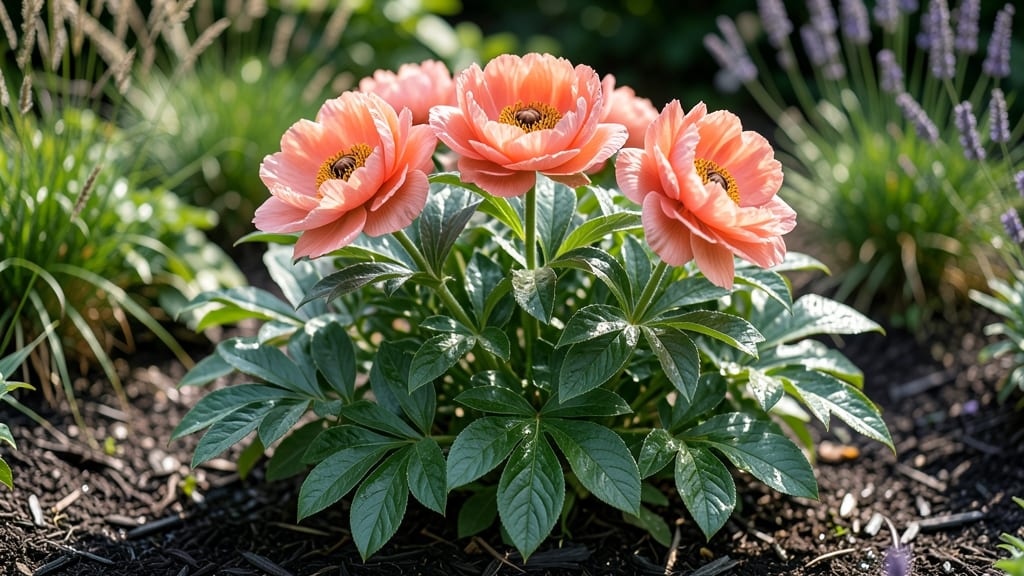
Peonies bloom for 5 to 10 days per flower, with their most vibrant display lasting 3–5 days. Herbaceous peonies often produce a second flush of blooms in late summer, while tree peonies typically flower just once each spring. With the right care, you can stretch their showtime and encourage more frequent blooming in reblooming varieties.
Peonies are famous for their dramatic, show-stopping blooms, but their duration varies based on type and growing conditions. 🌸 Herbaceous peonies usually put on their main show in late spring, with individual flowers lasting 7–10 days at peak freshness.
Tree peonies, on the other hand, have slightly longer-lasting blooms—often 10–14 days—but only once per year in spring. The secret to extending their beauty lies in proper watering, deadheading spent blooms, and avoiding over-fertilizing with nitrogen, which can reduce flowering.
What many gardeners don't realize is that some varieties naturally outperform others. For example, the 'Sarah Bernhardt' peony is known for its extra-long bloom time, often stretching to 12 days or more, while others may fade in just 5–6 days.
Climate plays a role too—cooler regions tend to see longer bloom periods because the flowers aren't stressed by heat. If you're aiming for a repeat performance, focus on well-draining soil rich in organic matter and avoid pruning until after the first bloom cycle.
💡 In This Article
- Peony Bloom Duration by Type and Variety
- How to Maximize Peony Bloom Time and Reblooming Success
Peony bloom duration by type and variety
The lifespan of a peony bloom depends entirely on whether it's an herbaceous or tree type. Herbaceous peonies—those that die back to the ground each winter—typically display their showy flowers for 7 to 10 days, with the first 3 to 5 days being their most vibrant.
Tree peonies, which grow on woody stems and retain their foliage year-round, often outlast their herbaceous cousins, blooming for 10 to 14 days per flower.
The difference lies in their root systems: tree peonies have deeper, more stable roots that sustain moisture and nutrients longer, while herbaceous types rely on a shallower network that can dry out faster in heat.
Climate and sunlight also play critical roles in how long peonies stay in bloom.
In cooler regions (USDA zones 3–5), where temperatures hover around 60–75°F during the day, peonies often last 2–3 days longer than in hotter zones (zones 6–8), where temperatures exceeding 85°F can cause buds to drop prematurely or flowers to wilt faster.
Direct sunlight is non-negotiable—peonies need 6 to 8 hours of full sun daily to develop strong stems and vibrant blooms.
Varieties like 'Sarah Bernhardt' (a double-flowered herbaceous peony) are renowned for their extended bloom time, often lasting up to 12 days when grown in ideal conditions, while single-flowered types like 'Bowl of Beauty' may only shine for 5–7 days. 🌸
Seasonal timing further influences bloom duration. Early-season bloomers (like 'Kodak Carousel') often have slightly shorter displays (6–8 days) because they face cooler spring temperatures that slow their metabolism.
Late-season varieties (such as 'Coral Charm') tend to bloom longer (9–12 days) because warmer soil temperatures in summer encourage stronger root activity.
Tree peonies, which bloom in late spring to early summer, benefit from this extended warmth, allowing their flowers to last nearly twice as long as their herbaceous counterparts.
Color also subtly affects longevity. Darker blooms (deep reds, purples) tend to fade faster under intense sunlight due to pigment breakdown, while lighter hues (soft pinks, whites) retain their freshness longer.
For example, 'Duchesse de Nemours' (a pale pink tree peony) often stays vibrant for 14 days, whereas 'Black Noir' (a deep maroon herbaceous peony) may only last 7–9 days. This is because darker pigments absorb more heat, accelerating the wilting process. 💫
What’s fascinating is how peonies "budget" their energy. Each flower uses up to 30% of the plant’s stored reserves during its bloom cycle, which is why over-fertilizing with nitrogen (common in lawn fertilizers) can actually shorten bloom time. The plant diverts energy to leaf growth instead of flower production.
This is why organic matter—like well-composted manure or leaf mold—is far more effective for peonies than synthetic fertilizers. The key is balance: too little nutrients stunt blooms, while too much robs them of their longevity.
For gardeners in warmer climates, shade cloth (providing 30–50% shade) during peak afternoon sun can extend bloom time by 2–4 days. Mulching with 3–4 inches of organic mulch also helps retain soil moisture, which is critical since peonies wilt faster in dry conditions.
Even a 1-inch weekly watering during bloom can make the difference between a 7-day and 10-day display. 🌿