
How To
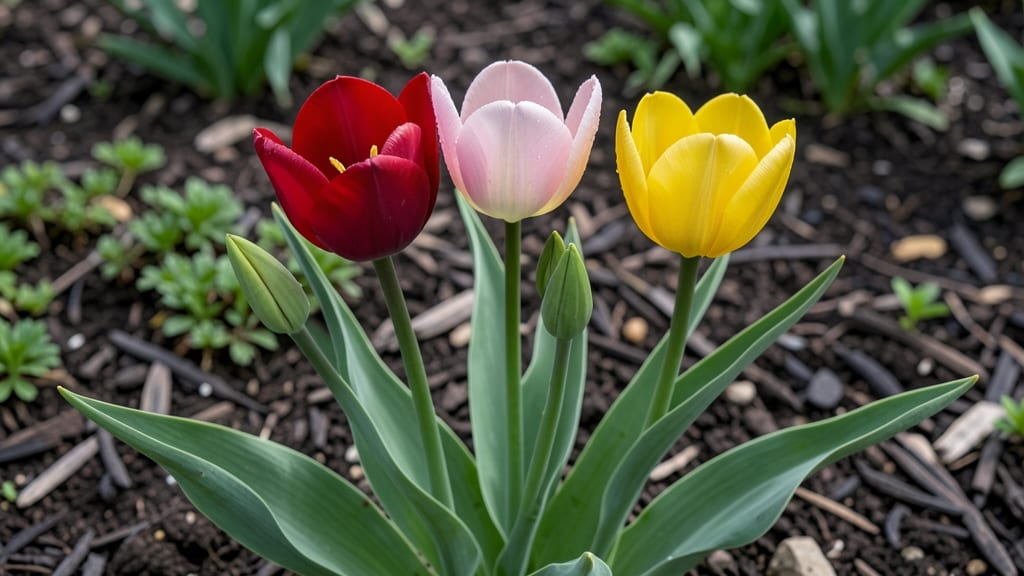
Tulips typically bloom for 7 to 14 days per stem, though their lifespan varies widely by type—some early varieties wilt in just 3–5 days, while Darwin hybrids can last up to 2 weeks or longer with proper care. Seasonal timing also plays a role, as spring bloomers often fade faster than their late-season counterparts.
Understanding why tulips have such varied bloom times helps you maximize their beauty. 🌷 The key factors are genetics (some varieties are naturally longer-lasting) and environmental conditions—like temperature and humidity—which can shorten or extend their display.
For example, tulips grown in cooler climates often bloom longer than those in hot, dry weather. Even small care habits, like keeping stems fresh with clean water and removing spent blooms, can add days to their vase life.
If you're arranging tulips for a special occasion, timing matters: early bloomers are perfect for spring displays, while late-season varieties hold up better for summer arrangements.
The right vase solution—like adding a splash of bleach or a bit of sugar to the water—can also make a noticeable difference in how long they stay vibrant.
💡 In This Article
- Tulip Bloom Duration by Variety: Early vs Late Bloomers
- Extending Tulip Bloom Life: Cut Flowers and Garden Care
Tulip bloom duration by variety: early vs late bloomers
The lifespan of tulip blooms depends heavily on their genetic classification. Darwin Hybrid tulips, known for their bold, cup-shaped flowers, are the longest-lasting variety, often blooming for 14 to 17 days per stem. These varieties are bred specifically for durability, with thicker petals that resist wilting better than other types.
In contrast, Parrot tulips—with their vibrant, ruffled petals—typically bloom for 7 to 10 days, though their exotic colors make them a favorite despite their shorter vase life.
Seasonal timing also plays a critical role in bloom duration. Early bloomers, like Tulipa gesneriana varieties, often open in late winter or early spring and last only 3 to 5 days before wilting, especially in warmer climates.
Their shorter lifespan is partly due to the plant's natural cycle—early bloomers prioritize reproduction over extended display. Late-season tulips, such as Fosteriana varieties, bloom in mid-to-late spring and can last 10 to 14 days, thanks to their thicker stems and more resilient petals.
Climate conditions further influence how long tulips stay fresh. In cooler, humid environments—like the Pacific Northwest—tulips often bloom 2 to 3 days longer than in hot, dry regions like the Southwest.
Temperature fluctuations can cause petals to crisp or wilt prematurely, while consistent cool weather helps preserve moisture in the stems. For example, a tulip in a vase at 65°F (18°C) will typically last 50% longer than one exposed to 75°F (24°C) or higher.
Color also subtly affects bloom longevity. Darker tulips, like deep purples or reds, tend to fade faster due to increased light absorption, which accelerates petal degradation. Lighter hues, such as whites or soft pinks, often last 1 to 2 days longer because they reflect more light and heat.
This is why pale tulips are frequently chosen for long-term displays in weddings or corporate events, where extended bloom time is essential.
For gardeners, the variety's natural growth cycle matters just as much as care. Some tulips, like Greigii types, are bred for early blooming and shorter vase life, while Kaufmanniana tulips—often called "wild tulips"—bloom later and can last up to 12 days in ideal conditions.
Understanding these differences helps you select tulips based on your needs, whether you want a quick burst of color or a prolonged display.
If you're arranging tulips for a specific occasion, choosing the right variety can save you from last-minute replacements. For instance, Darwin Hybrid tulips are ideal for spring weddings, while Parrot tulips might be better suited for shorter-term arrangements where their unique shapes take center stage.
The key is matching the variety to your timeline and environment.