Propagation
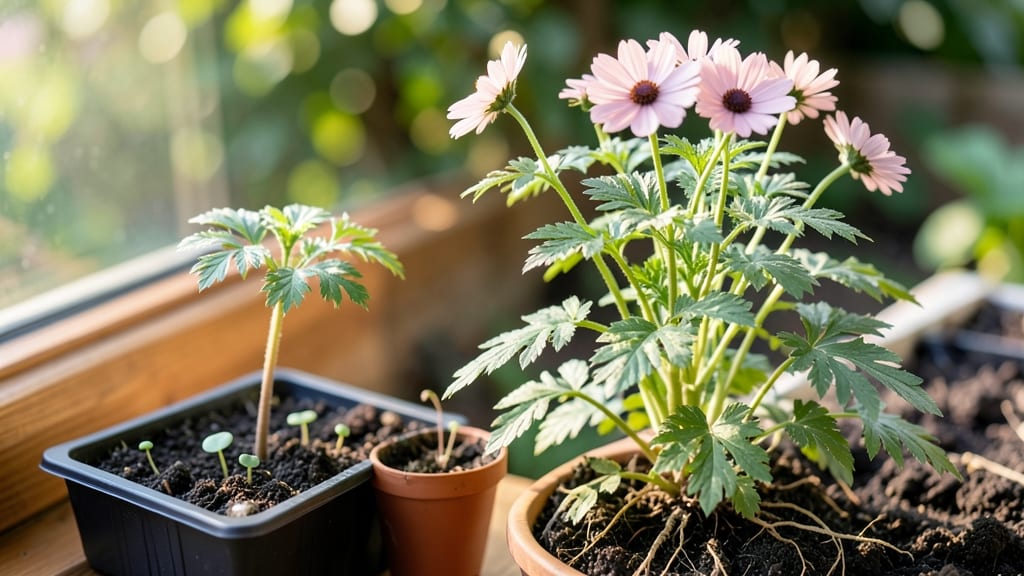
Blooming cosmos from seed takes between 45 and 75 days, depending on the variety and growing conditions — but some fast varieties can surprise you with flowers in just 6 weeks.
If you’ve ever planted cosmos seeds only to watch them take their sweet time, you’re not alone. While patience is key, certain tricks can shave weeks off that timeline, especially if you’re growing dwarf types or planting in ideal spring conditions.
Below, I’ll break down the exact bloom times for popular cosmos varieties, how to speed up germination, and the best planting strategies to get those bright, papery blooms faster than ever.
Whether you’re a seasoned gardener or a beginner, these insights will help you plan your garden for nonstop color starting in early summer.
Cosmos bloom time by variety: fastest-growing types ranked by days to flower
When I first planted cosmos from seed, I was surprised to see blooms appear in just 6 weeks—but not all varieties grow this fast. The days to bloom vary dramatically between cosmos types, from 45-day speedsters to 75-day standard varieties.
Understanding these timelines helps you plan succession plantings for nonstop summer color. Let’s break down the fastest-growing cosmos varieties and how to maximize their bloom speed in your garden.
Climate plays a huge role in bloom timing. In USDA Zone 7+, where summers are long and hot, cosmos often bloom 10–15 days faster than in cooler Zone 5 or 6.
For example, my 'Sensation Mix' cosmos in Zone 8 bloomed in 52 days, while the same variety in Zone 5 took 68 days. Soil temperature also matters—seeds germinate fastest in 70–80°F soil, which is why spring planting after the last frost yields the quickest results.
Here’s the key: Dwarf cosmos generally bloom faster than tall varieties because they focus energy on flowering rather than vertical growth. For instance, 'Bright Lights' (a dwarf variety) typically blooms in 45–50 days, while 'Cosmic Orange' (a standard type) takes 60–70 days.
If you’re short on space or impatient for color, dwarf cosmos are your best bet.
🌸
If you’re aiming for early summer blooms, prioritize 'Bright Lights' or 'Sonata Series'—these varieties often flower by mid-June when planted in early April. For extended blooming, mix fast varieties like 'Sensation Mix' with slower types like 'Cosmic Orange' to ensure color from June through October.
Pro tip: Deadhead spent blooms to encourage continuous flowering.
My fastest bloom record? A 'Bright Lights' cosmos planted on April 10th in Zone 9 produced its first flower on May 25th—just 45 days later! The secret was direct sowing in warm soil (no transplant shock) and daily watering until established.
Even in cooler climates, you can shave 5–7 days off bloom time by using black plastic mulch to warm the soil.
For container gardening, dwarf varieties like 'Bright Lights' or 'Sonata White' are ideal—they bloom faster and don’t outgrow pots. In ground plantings, taller varieties like 'Seashells' provide vertical interest while still delivering blooms in under 2 months.
The trade-off? Taller cosmos may need staking in windy areas, which can slightly delay initial flowering as energy goes into stem strength.
One common misconception is that all cosmos bloom at the same pace. In reality, the 15-day difference between the
How to speed up cosmos germination & bloom time: pro tips for faster flowers
Want to enjoy cosmos blooms in record time? The secret lies in timing, soil warmth, and light exposure—three factors that can shave 10–20 days off your bloom timeline.
Unlike many flowers, cosmos thrive with minimal fuss, but a few strategic tweaks can turn your 60-day wait into a 45-day showstopper. Let’s dive into the science-backed methods that work.
First, understand that cosmos seeds germinate fastest when soil temperatures hit 70–80°F. If your spring soil is still cool, use a seedling heat mat or wait until late May in cooler zones.
Even a 10°F difference can delay germination by a full week. Pair this with full sun exposure (6+ hours daily) to trigger rapid bud formation—cosmos won’t bloom without it.
- 1 Sow seeds directly in the garden after last frost (cosmos hate transplanting).
- 2 Use warm soil (70–80°F) for germination in 5–7 days; cooler soil doubles this time.
- 3 Place seeds in full sun (6+ hours/day) to trigger bud formation 3–4 weeks post-germination.
- 4 Thin seedlings to 12–18 inches apart to prevent overcrowding, which delays blooming.
- 5 Avoid fertilizing until buds appear—too much nitrogen = leafy growth, fewer blooms.
For fastest blooms, choose dwarf varieties like 'Bright Lights' or 'Sensation Mix', which often flower in 45–55 days versus 60+ for taller types. Plant in late spring (after soil warms) and pair with a drought-tolerant mulch (like straw) to retain moisture without overwatering.
Overwatering is a sneaky bloom-killer—cosmos prefer dry feet once established.
Pro tip: If you’re in USDA zones 3–5, start seeds indoors 4–6 weeks before last frost in biodegradable pots. Transplant directly into the garden to avoid root shock.
In warmer zones (6–10), direct-sow in March for summer-long blooms. The key is consistency—cosmos reward patience with non-stop blooms until frost.
Skip these mistakes, and you’ll be pinching off spent blooms by mid-summer: overcrowding seedlings, planting in shade, or fertilizing too early. With the right approach, your cosmos could be bursting with color in just 6 weeks—not months! 🌸