
Blooming
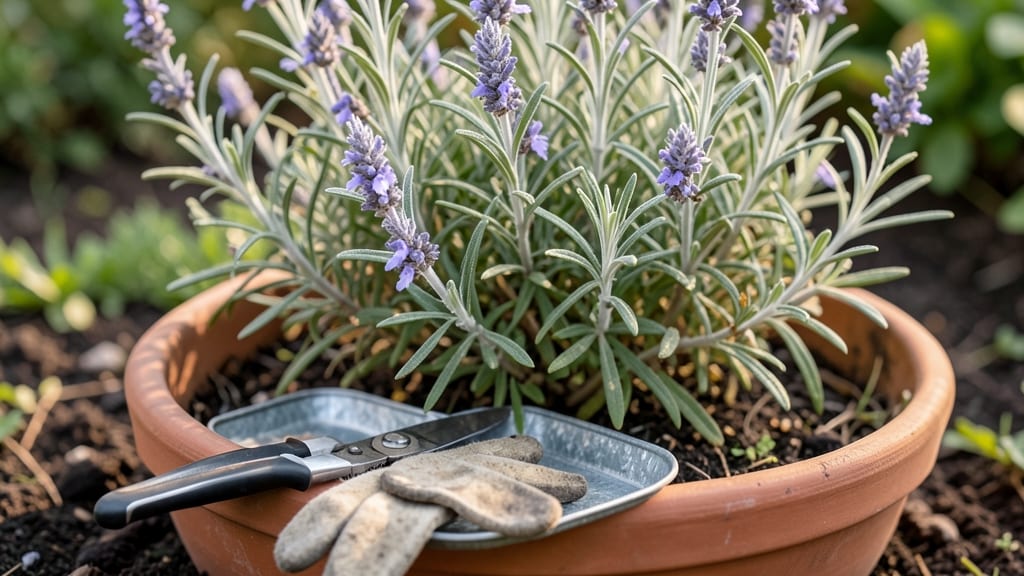
How to get salvia to bloom again starts with a single, sharp cut—literally. 🌿 I’ve watched my once-vibrant salvias turn into leafy monsters after years of neglect, but the right pruning technique brings them back to life with bold purple spikes by summer’s end. The problem? Most gardeners either prune too late, too aggressively, or not at all—and that’s exactly what stops salvias from reblooming. The fix is simpler than you think: prune right after the first flush (late spring), feed with low-phosphorus fertilizer, and keep the soil evenly moist but never soggy. I’ve revived salvias that looked dead by following these three steps—no fancy tricks, just biology. The key is timing: cut back by 1/3 when flowers fade, and you’ll trigger a second wave of blooms by early fall. What you’ll end up with is a salvia bush that blooms for months, not just weeks. The flowers stay vibrant and dense, and the plant grows fuller with each season. No more sad, leggy stems—just reliable, showstopping blooms that bring in hummingbirds all summer long. Works for salvia nemorosa, leucantha, and microphylla alike. Let’s get those shears out and bring your salvias back to life!
📚 In This Guide
- What you need
- Instructions
- Tips and common mistakes
- Wrapping up and next steps
What you need
- ● Pruning shears or sharp scissors: Sterilized, clean blades to avoid disease (avoid dull tools—they crush stems).
- ● Well-draining potting mix: 1 bag (1–2 cubic feet) of cactus/succulent blend (or add perlite/pumice for drainage).
- ● Balanced fertilizer: 1 bottle of 10-10-10 or 20-20-20 (dilute to half-strength for feeding).
- ● Watering can with a rose attachment: For targeted hydration (avoid overhead watering).
- ○ Gloves (optional but recommended): Prickly Salvia varieties (like Salvia leucantha) can be tough on hands!
- ● Slow-release fertilizer granules: Mix 1 cup into soil for 3–6 months of nutrients.
- ● Epsom salt (magnesium sulfate): 1 tbsp dissolved in 1 gallon of water for bloom boosts (use sparingly).
- ● Mulch (gravel or bark): 1–2 inches to retain moisture and deter weeds.
- ● Grow lights (if indoors): 12–14 hours of bright, indirect light daily.
- ● Plant support (stakes or rings): For tall varieties like Salvia nemorosa to prevent flopping.
Step-by-Step guide to reviving salvia blooms
Here’s how I coax a second flush of vibrant blooms from salvia—no mystery involved, just timing and care.
✂️ Step 1: Prune Correctly After the First Bloom
Wait until after the first flush of flowers has fully faded and browned—never cut back while blooms are still vibrant. Use clean, sharp pruners to trim one-third of the plant’s height, cutting just above a set of healthy leaves or a leaf node. This encourages new growth from the base rather than just the tips.
I always prune in the early morning when the plant is fully hydrated. Avoid cutting into woody stems—focus on the softer, green growth. If your salvia has multiple stems, trim each one back by a third to maintain balance. This step is critical: cutting too late or too aggressively can delay—or even prevent—reblooming.
💧 Step 2: Adjust Watering for Post-Bloom Recovery
After pruning, reduce watering to every 7-10 days, letting the top 2-3 inches of soil dry out completely between sessions. Salvia is drought-tolerant, and overwatering now will stress the plant as it recovers. Stick your finger in the soil—if it feels damp past your first knuckle, wait another day.
Here’s the thing—salvia roots need to dry out slightly between waterings to signal the plant it’s time to focus on new growth. I’ve seen salvia wilt slightly after pruning, but don’t panic. It’s just adjusting. Once new shoots appear, resume watering but keep it consistent—never soggy, never bone-dry.
☀️ Step 3: Provide Full Sun and Fertilize Lightly
Move your salvia to a spot with 6+ hours of direct sunlight daily. Without enough light, the plant will put energy into foliage instead of flowers. If your salvia is indoors, a south-facing window or grow light 6 inches above the plant for 12-14 hours/day works. You’ll see leggy growth if light is insufficient—new stems will stretch toward the nearest source.
Two weeks after pruning, apply a balanced, water-soluble fertilizer (10-10-10) at half-strength. Too much fertilizer now can burn the roots or encourage leafy growth over blooms. I fertilize again in 4-6 weeks if new growth is slow, but never exceed the recommended dose. The goal is to support—not overwhelm—the plant as it recovers.
⏰ Step 4: Watch for New Growth and Repeat Pruning
Within 3-4 weeks, you should see new shoots emerging from the base of the plant. These are your signal that reblooming is underway. When these shoots reach 4-6 inches tall, give them a light trim to encourage bushiness—cut just above a leaf node on each stem. This prevents the plant from getting top-heavy and ensures more flowers later.
If your salvia is in a container, check the roots for circling or crowding. If roots are tightly packed, repot into a slightly larger container with fresh well-draining soil. Overcrowded roots compete for nutrients, which delays blooming. I use a mix of 50% potting soil and 50% perlite for salvia to ensure drainage.
🌿 Step 5: Deadhead and Protect for Continuous Blooms
As new flowers begin to form, deadhead spent blooms immediately by pinching them off at the base. This redirects the plant’s energy into producing more flowers instead of setting seed. I do this every 2-3 days during peak bloom time. The key is consistency—one missed bloom can lead to a cascade of seed pods.
If your salvia is outdoors, protect it from late-season frost or heavy rain, which can stress the plant. A lightweight row cover or moving pots to a sheltered spot works. In containers, ensure the pot has drainage holes—waterlogged roots shut down blooming faster than anything else. With these steps, you’ll see a second flush of blooms in 8-12 weeks, depending on your climate.
Tips & tricks for reviving salvia blooms
Real talk: Reviving salvia blooms takes patience, but these tricks make all the difference between a sad, leggy plant and a vibrant second flush.
Pruning Precision: In Step 1, when cutting back one-third of the plant's height, focus on removing only the faded flower stems—not the entire stem. This leaves the plant with enough leafy growth to fuel new blooms. I've ruined salvia plants by cutting too much too soon, so resist the urge to go overboard. Use clean pruners to avoid crushing stems, and always cut just above a leaf node where new growth can emerge.
Lighting Insight: The 6+ hours of direct sunlight in Step 3 is non-negotiable for salvia. If your plant is indoors, position it within 12 inches of a south-facing window to maximize light exposure. I've seen salvia stretch dramatically toward light sources, creating weak, leggy stems that never bloom. For indoor growers, supplement with a full-spectrum LED grow light placed 6 inches above the plant for 12-14 hours daily—this mimics natural sunlight perfectly.
Watering Wisdom: The 7-10 day watering schedule in Step 2 might seem counterintuitive, but salvia roots need this dry period to trigger blooming. Use your finger to check soil moisture—if the top 2-3 inches feel dry, it's time to water. Overwatering creates soggy soil that suffocates roots and prevents new growth. I've learned the hard way that wilting after pruning is normal, but persistent wilting means you're overdoing it.
Fertilizer Strategy: That half-strength 10-10-10 fertilizer application in Step 3 is your plant's secret weapon. Too much nitrogen (the first number) encourages leafy growth at the expense of flowers. I've seen salvia produce lush foliage but no blooms after over-fertilizing. Stick to the schedule: first application at 2 weeks, second at 4-6 weeks if growth is slow. Always water before fertilizing to prevent root burn.
Pro Tips for Get Salvia To Bloom Again
- Real talk: Reviving salvia blooms takes patience, but these tricks make all the difference between a sad, leggy plant and a vibrant second flush.
- Pruning Precision: In Step 1, when cutting back one-third of the plant's height, focus on removing only the faded flower stems—not the entire stem.
- Lighting Insight: The 6+ hours of direct sunlight in Step 3 is non-negotiable for salvia.
Frequently asked questions
Got questions about reviving your salvia’s blooms? You’re not alone!
Here are answers to the most common concerns—because every gardener deserves a second chance at those stunning flowers.
Why isn’t my salvia blooming after pruning?
Pruning too late in the season (after the first frost) or cutting back too aggressively can shock the plant, delaying blooms. Focus on pruning right after the first flush (early summer) and avoid removing more than ⅓ of the plant at once. Patience is key—salvia often needs 4–6 weeks to recover and rebloom!
When is the best time to prune salvia for a second flush?
The ideal window is right after the first blooms fade (late spring to early summer) or in early fall (before hard frost). Avoid pruning in mid-summer—this cuts off potential second blooms. For perennial varieties, a light trim in early spring also encourages fresh growth. Pro tip: Never prune in winter!
How much water does salvia need to rebloom?
Salvia is drought-tolerant but not drought-proof during reblooming. Water deeply 1–2 times per week (more in extreme heat) to encourage root growth and flower production. Overwatering, though, can lead to root rot—always ensure well-draining soil. Morning watering is best to reduce fungal risks.
Can I use fertilizer to force salvia to rebloom?
A balanced, low-nitrogen fertilizer (like 10-10-10) applied after pruning boosts blooms. For extra vigor, switch to a phosphorus-heavy formula (e.g., 5-10-5) during flowering. Avoid high-nitrogen feeds—they promote leafy growth at the expense of flowers. Feed every 4–6 weeks for best results.
What if my salvia still won’t rebloom after trying everything?
Don’t give up yet! Check for pests (aphids, spider mites), disease (powdery mildew), or poor soil. If the plant looks stressed, transplant it to a sunnier spot with improved drainage. Some salvia varieties (like Salvia nemorosa) are one-time bloomers—research your specific type. If all else fails, propagate cuttings for a fresh start!
Wrapping up and next steps
Reviving your salvia’s bloom isn’t just about patience—it’s about understanding its needs and giving it the right care. With proper pruning, balanced feeding, and consistent watering, you can coax those stunning flowers back into action season after season. 🌸
Now that you’re armed with the know-how, roll up your sleeves and try it out! Start with one plant, track your progress, and soon, your garden will be a vibrant display of salvia blooms. Happy gardening!