
Blooming
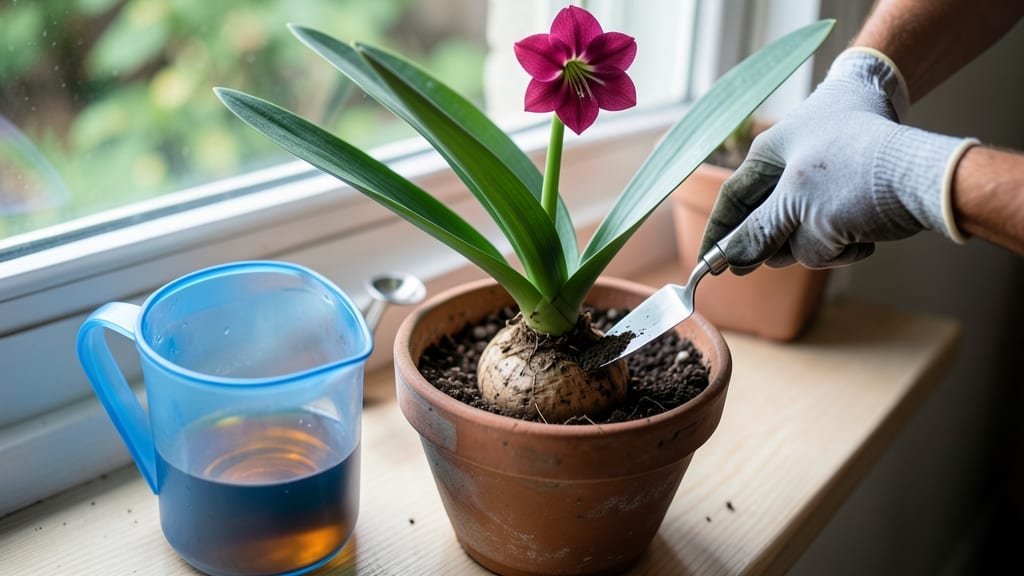
How to make an amaryllis bloom again—your plant won’t rebloom unless you trick it into dormancy, just like a desert flower waiting for rain. 🌱 I’ve coaxed mine into three consecutive blooms by mimicking its natural cycle, and the secret starts with stopping water entirely after the last flower fades. Most people overwater through dormancy, turning roots to mush instead of letting them rest.
The trick is patience: after blooming, let the leaves yellow naturally, then cut them back by half. Move the pot to a cool, dark spot (60–65°F) and water just enough to keep soil slightly moist—not soggy.
Six weeks later, when new shoots appear, bring it back to bright light and resume watering. This mimics the dry season that triggers blooming.
You’ll see tight buds forming at the base of the bulb within 8–10 weeks, followed by those dramatic purple spikes. The key is consistency—skipping dormancy or watering too much during the rest period kills the rebloom signal.
Even my first attempt (which I nearly drowned) produced flowers the next spring.
Works for any Hippeastrum variety, from classic red to deep purple. The same method applies whether you’re growing in pots or baskets—just adjust the dormancy spot to match your space. Ready to turn that single bloom into a yearly showstopper?
📚 In This Guide
- What you need
- Instructions
- Tips and common mistakes
- Wrapping up and next steps
What you need
- ● Healthy amaryllis bulb: A dormant or post-bloom bulb (ensure it’s free of rot or damage).
- ● Well-draining potting mix: 1 part cactus/succulent mix (or regular potting soil + perlite/pumice for drainage).
- ● Quantity: Enough to fill a pot 2–3 inches deeper than the bulb’s height (e.g., a 6–8" pot for a medium bulb).
- ● Pot with drainage holes: Terracotta or ceramic (avoid plastic traps moisture). Size: 1–2 inches wider than the bulb’s diameter.
- ● Watering can or spray bottle: For gentle hydration (no soggy soil!).
- ● Bright, indirect light source: A south- or east-facing window, or a grow light (12–14 hours/day during dormancy break).
- ● Room-temperature water: ~65–75°F (lukewarm is ideal).
- ● Fertilizer: Balanced liquid fertilizer (e.g., 10-10-10) diluted to half-strength for post-dormancy growth.
- ● Humidity tray: A shallow tray with pebbles + water to boost moisture (great for dry climates).
- ● Thermometer/hygrometer: To monitor temps (ideal range: 60–75°F during dormancy, 65–78°F when blooming).
- ● Stake or support: For tall blooms (e.g., a bamboo stake or floral pick).
- ● Pruning shears: Small, sharp pair to trim dead foliage or stems (sterilize with rubbing alcohol!).
Step-by-step instructions for forcing amaryllis to bloom again
Here's the method I rely on to coax those dramatic purple spikes back year after year.
🪴 Step 1: Induce Dormancy After Flowering
Once your amaryllis finishes blooming, stop watering completely and move it to a cool, dark spot like a closet or basement. I keep mine at 50-60°F—this mimics winter conditions and signals the bulb to rest. You'll see the leaves yellow and eventually die back completely, which is normal.
Don't water until 8-10 weeks after flowering, even if the leaves look sad. This dormancy period is critical—skipping it means the bulb never stores enough energy for next year's blooms. Place the pot on a wire rack to improve airflow and prevent rot.
☀️ Step 2: Wake the Bulb with Warmth and Light
After 8-10 weeks of dormancy, bring the pot back to a warm room (65-75°F) and resume watering when you see 1-2 inches of new green growth. I use room-temperature water and keep the soil lightly moist—never soggy. You'll notice new leaves emerge from the top of the bulb within 2-3 weeks.
Move the pot to a sunny window or under grow lights for 12-14 hours of light daily. Without enough light, the leaves grow weak and leggy, which stresses the bulb. Watch for the first true leaves—these are your signal that the bulb is actively growing again.
💧 Step 3: Feed and Water for Strong Growth
Once the new leaves reach 4-6 inches tall, start fertilizing with a balanced liquid fertilizer (like 10-10-10) diluted to half strength. I feed every 2 weeks during the growing season to build bulb reserves. Water deeply when the top 1-2 inches of soil feel dry, but never let the bulb sit in water.
Rotate the pot a quarter turn weekly so the leaves grow straight and don't lean toward the light. You'll see steady growth if the bulb is happy—strong, dark green leaves with no yellowing. If leaves yellow, you're either overwatering or underlighting.
🌱 Step 4: Trigger Flowering with Controlled Stress
About 6-8 weeks before you want blooms, reduce watering slightly to encourage flower bud formation. Let the top 1 inch of soil dry out completely between waterings, but don't let the bulb shrivel. This mild stress tells the plant, "Hey, winter's coming—time to bloom!"
Keep the bulb in a cool spot (55-65°F) with bright light during this time. You'll see a flower stalk emerge from the center of the bulb within 2-3 weeks. If no stalk appears after 4 weeks, move the pot back to a warm spot and resume normal watering for a few weeks, then try the stress method again.
⏰ Step 5: Support the Bloom and Prepare for Next Year
When the flower stalk reaches 6-8 inches tall, move the pot to a bright spot with indirect light to prevent the stalk from bending. You'll see buds form at the top—this is your reward for patience! Water normally once buds appear, keeping soil lightly moist but never soggy.
After blooming, cut the stalk at the base but leave the leaves until they yellow naturally. This ensures the bulb stores energy for next year. Repeat the dormancy process, and you'll have another stunning display of purple spikes!
Tips & tricks for perfect amaryllis bloom revival
Here's what nobody tells you about getting those purple spikes back year after year—these are the tricks that actually work.
Dormancy is Non-Negotiable: The 8-10 week dormancy period at 50-60°F is where the magic happens. I've tried cutting this short, and while the plant looks fine, you won't get blooms. Think of it like hibernation—your amaryllis needs this time to store energy for next year's showstopper flowers. If your home stays above 65°F, consider moving the pot to a basement or garage to maintain the cooler temperature.
Light is Everything After Dormancy: Those 12-14 hours of light in Step 2 aren't just recommended—they're essential. I've seen amaryllis leaves grow tall and spindly when they don't get enough light, and those plants never bloom. If you don't have a sunny window, invest in a basic grow light for just a few hours a day. The first true leaves are your reward for getting this right.
Watering Wisdom: The instructions mention keeping soil lightly moist, but here's the thing: "lightly moist" means your finger should come out clean, not damp. Overwatering is the #1 reason amaryllis fail to rebloom. I use the "poke test"—stick your finger 1-2 inches into the soil. If it feels dry, water; if it's damp, wait. And always use room-temperature water to avoid shocking the roots.
Stress Trick for Blooms: That 6-8 week stress period before blooming is where you coax the flower stalk to appear. The key is to let the top inch of soil dry out completely between waterings, but don't let the bulb shrivel. I think of it like dieting—you're putting the plant under just enough stress to trigger the blooming response. If no stalk appears after 4 weeks, give it a break and try again after a week of normal watering.
Pro Tips for Make Amaryllis Bloom Again
- Here's what nobody tells you about getting those purple spikes back year after year—these are the tricks that actually work.
- Dormancy is Non-Negotiable: The 8-10 week dormancy period at 50-60°F is where the magic happens.
- Light is Everything After Dormancy: Those 12-14 hours of light in Step 2 aren't just recommended—they're essential.
Frequently asked questions
about reviving your amaryllis blooms—because even the most patient gardeners hit snags! Here are answers to the most common queries to keep those stunning purple spikes coming back year after year.Why won’t my amaryllis bloom after the first year?
Most amaryllis bulbs need 6–8 weeks of dormancy (cool, dark conditions) after blooming to recharge. Skipping this step or providing too much water/light tricks the bulb into thinking it’s time to grow instead of rest. Think of it like a hibernation reset—your bulb needs downtime to store energy for next season’s show!
How long should I wait before forcing my amaryllis to bloom again?
After dormancy, wait 4–6 weeks before repotting and reintroducing water. This mimics natural seasonal shifts. Rushing the process can stress the bulb, while waiting too long may delay blooms. Pro tip: Mark your calendar—consistency is key!
Can I make my amaryllis bloom without dormancy?
Technically yes, but expect fewer or smaller blooms. Dormancy mimics winter conditions, helping the bulb build reserves. Without it, the plant may focus on foliage over flowers. For best results, commit to 6–8 weeks of rest—your future blooms will thank you!
What if my amaryllis leaves turn yellow during dormancy?
Yellowing leaves are normal during dormancy—the bulb is redirecting nutrients inward. Don’t panic! Stop watering entirely and keep the bulb in a cool, dark spot. Once you restart growth, new leaves will emerge. Just avoid fertilizing until you see fresh green shoots.
How do I know if my amaryllis bulb is healthy enough to bloom again?
A healthy bulb should feel firm and plump, not shriveled or mushy. Check for no soft spots or mold—these signal rot. If the bulb is small or shriveled, it may need a year of recovery before forcing blooms. Think of it like a battery check: weak bulbs need a recharge!
| Quick Fix? | Action |
|---|---|
| No blooms after dormancy | Extend dormancy by 2–4 weeks or check light exposure. |
| Leaves only, no flowers | Reduce water slightly and ensure bright, indirect light. |
| Shriveled bulb | Skip forcing this year; focus on foliage growth. |
Wrapping up and next steps
With the right care and a little patience, your amaryllis can bloom again and again—turning your home into a vibrant, purple paradise! 🌸 The key is understanding its natural dormancy cycle, providing the right conditions, and giving it time to recharge.
Whether you’re adjusting light, watering wisely, or fertilizing smartly, every step brings you closer to those stunning spikes returning.
Now that you’re armed with these dormancy tricks, take action! Start by assessing your plant’s current needs—does it need more sunlight? A rest period? Pick one tip to try this week and observe the changes.
Soon, you’ll be rewarded with another breathtaking display of blooms that’ll make your friends green with envy! 🌿