
Blooming
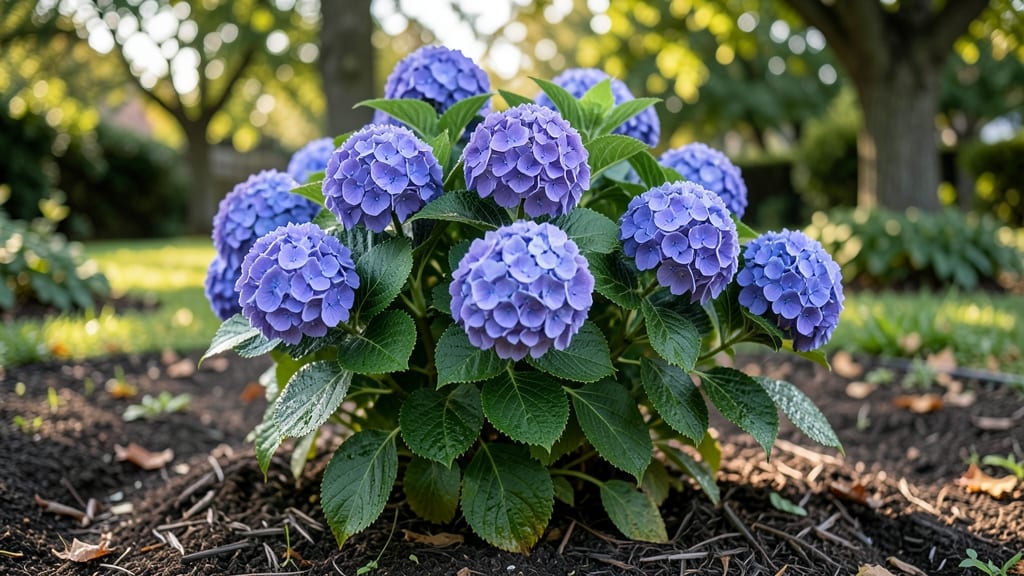
The incrediball hydrangea bloom time in mid-to-late summer—after frost—delivers those showstopping purple spikes you’ve been dreaming of.
If you’re waiting for your Incrediball hydrangea to burst into vibrant purple blooms after winter’s frost, timing is everything—miss it, and you might end up with sparse or delayed flowers. But with the right care, you can trigger a spectacular display of those iconic spherical spikes.
This shrub thrives in USDA Zone 6a and beyond, but late frosts can throw off its schedule. The key is understanding how sunlight, soil, and pruning work together to coax those blooms along.
Too much shade? Buds may never form. Prune at the wrong time? You could sacrifice next year’s flowers.
Inside, I’ll break down the exact bloom timeline, how to spot the first signs of buds, and the simple adjustments that keep your Incrediball hydrangea 🌸 flowering like clockwork—even after a surprise frost.
Incrediball hydrangea bloom time: seasonal timeline and frost impact
Timing your Incrediball hydrangea blooms starts with understanding its natural cycle. Unlike some varieties that flower on old wood, this panicle hydrangea produces its iconic purple spikes on new growth, making late-winter pruning critical.
Most gardeners in USDA zones 4-9 see buds swell between late March and April, with full blooms arriving by mid-to-late summer.
Frost plays a dual role in your plant’s schedule. While late frosts after bud swell can damage emerging flowers, a hard freeze in winter forces dormancy—essential for next year’s blooms.
In colder zones (5-6), expect blooms 2-3 weeks later than warmer regions (7-9). This delay happens because cold snaps pause growth until soil warms consistently.
Here’s how regional climates shift bloom timing:
| Region | Bud Swell | Full Bloom | Frost Risk |
|---|---|---|---|
| Zones 4-5 (Cold) | Late April | July | High until May 15 |
| Zones 6-7 (Temperate) | Early April | June-July | Moderate until April 30 |
| Zones 8-9 (Warm) | March | May-June | Low after March 1 |
After a late frost, check for damaged buds (they’ll appear mushy or brown). If 50%+ of buds survive, your plant will still bloom—just later. Prune dead growth immediately to redirect energy to new shoots.
In my Zone 6 garden, I’ve seen blooms delayed by 3 weeks after a mid-April freeze, but the plant compensated by producing larger spikes later.
Soil temperature matters more than air temperature. Use a soil thermometer to confirm 50°F consistency before fertilizing. In cold climates, wait until May 1 to apply balanced fertilizer (10-10-10).
This timing ensures roots are active enough to absorb nutrients without wasting them on early-season growth that frost could later kill.
Watering strategy shifts with frost risk. In spring, water deeply once weekly to encourage root growth, but reduce to bi-weekly if frosts are forecasted. Overwatering before a freeze can stress roots and reduce winter hardiness.
I mulch with 3 inches of shredded bark in October to insulate roots—this protects against temperature swings that disrupt dormancy.
Light exposure affects bloom quality. While Incrediball hydrangeas thrive in partial shade, they need 4-6 hours of morning sun for vibrant purple blooms. In hot climates (Zones 8-9), afternoon shade prevents bleached or pink-tinged flowers.
My Zone 7 plants in east-facing beds produce darker purple blooms than those in south-facing spots.
Watch for these 3 signs your hydrangea is ready to bloom:
- Buds swell to pea size,
- New leaves unfurl, and
- Stems elongate. In my experience, buds appear first on lower branches—a great way to track progress.
If buds form but don’t open, check for aphids or low soil pH (aim for 5.2-5.5 for purple blooms).
After the first full bloom, cut back spent flower spikes to encourage a second flush in late summer. This works best in Zones 7-9 where summers are long.
In colder zones, focus on next year’s blooms by pruning in late winter (after the last frost but before bud swell).
Protect young plants (1-2 years old) with burlap wraps during early spring frosts3+ years) handle cold better but may need light pruning to remove frost-damaged tips. Always prune after the danger of frost—cutting too early can stimulate growth that late frosts will kill.
For extended blooms, deadhead faded flowers in early fall (before October 1) to prompt new growth. This trick works best in Zones 7-9. In colder areas, skip fall pruning and wait until late winter to avoid winter dieback.
My Zone 6 plants reward this patience with bigger blooms the following summer.
How to maximize Incrediball hydrangea blooms after frost: pruning and care tips
After frost, your Incrediball hydrangea needs precise care to rebound and produce those stunning purple blooms. The key lies in timely pruning, balanced fertilization, and smart watering—all while avoiding common pitfalls that stall flowering.
Let’s dive into the exact steps to coax your shrub back to life and ensure a full summer display.
First, wait until late winter or early spring (after the last frost date in your USDA Zone 6a or warmer) to prune. This timing ensures you don’t cut off next year’s flower buds, which form on new wood.
Grab your sharp pruners and remove dead or weak branches first, then trim back the remaining stems by ⅓ to ⅔ of their height.
⚠️ callout warning ⚠️
⚠️ Critical Mistake: Pruning at the Wrong Time
Pruning your Incrediball hydrangea in fall or winter (before buds form) can eliminate next year’s blooms. These hydrangeas flower on new wood, so late pruning removes potential growth. Wait until after dormancy breaks (when buds swell) to avoid this costly error.
🌱 Pro Tip: Mark your calendar for March 15-April 1 (adjust for your region) to prune.
Once pruned, apply a balanced fertilizer (like 10-10-10 NPK) to kickstart growth. Use 1 tablespoon per plant in early spring (March-April) and again in mid-summer (June-July) to support bud development. Avoid fertilizing in fall or winter, as this can stimulate tender growth vulnerable to frost.
Watering plays a crucial role too. After pruning, give your hydrangea a deep soak (about 1 gallon per plant) to rehydrate the roots. Then, maintain consistent moisture—water weekly in spring and every 5-7 days in summer, focusing on the root zone.
Mulch around the base with 2-3 inches of organic mulch to retain moisture and regulate soil temperature.
Don’t overlook sunlight requirements. Incrediball hydrangeas thrive in partial shade (4-6 hours of morning sun), especially in hot climates. If your plant isn’t blooming well, it might be getting too much afternoon sun, which can stress the shrub.
Move it to a sunnier spot in cooler climates or add dappled shade in summer.
Finally, watch for bud swell in late spring (April-May), signaling that your care is paying off. If buds form but fail to open, check for pests like aphids or diseases like powdery mildew.
Treat promptly with neem oil or fungicide to protect your blooms. With these steps, your Incrediball will reward you with vibrant purple spikes from June through August.