
Blooming
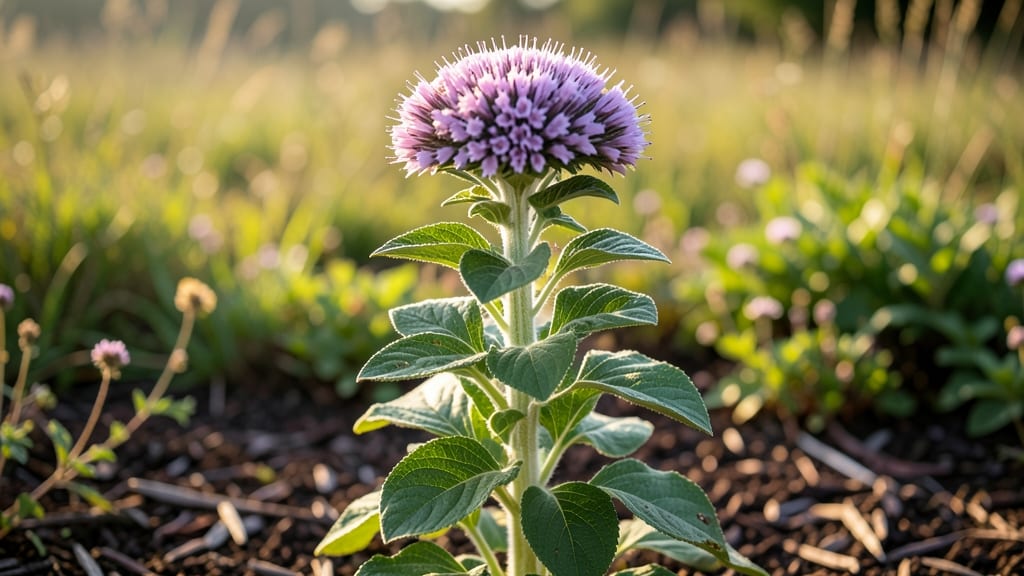
The joe pye weed bloom time spans from late summer through fall, offering a 6-8 week show of pink-purple 🌸 clusters that hummingbirds and butterflies can’t resist.
Want to enjoy its stunning blooms and sweet fragrance all season long? The secret lies in understanding its bloom triggers—and how to optimize them. Too little sun or dry soil can shorten the show, while the right care turns a seasonal display into a garden highlight.
In USDA Zone 6a, Joe Pye weed typically kicks off in August, peaking in September. But with a few simple tweaks—like deadheading spent blooms or adjusting watering—you can stretch those fragrant clusters well into October.
Below, I’ll break down the exact conditions that trigger blooms, how to extend them, and the best companion plants to keep your garden buzzing with life all season.
Joe Pye weed bloom time: natural stages and environmental triggers
Joe Pye weed (Eutrochium purpureum) is one of summer’s most fragrant and striking perennials, with its pink-purple blooms drawing pollinators and adding height to late-season gardens. But when exactly do these showy flowers appear, and what triggers their peak bloom time?
The answer lies in a mix of temperature, sunlight, and soil moisture—all factors you can influence to enjoy earlier or longer blooms.
In most USDA zones 4-9, Joe Pye weed typically blooms from late July through September, with some varieties extending into early October. However, these timelines can shift based on your local climate and care habits.
For example, plants in warmer southern zones (8-9) may start blooming as early as June, while those in cooler northern zones (4-5) might not peak until mid-August.
The ideal bloom temperature for Joe Pye weed ranges between 75–85°F. When daytime highs consistently reach this range, the plant signals its flowering hormones to activate. Nighttime temperatures above 60°F further encourage bud development, while sudden temperature drops or frost can abruptly cut blooms short.
| Stage | Key Characteristics | Environmental Triggers | Optimal Conditions |
|---|---|---|---|
| Bud Formation | Tight, green buds appear on stems | 60–70°F night temps + 6+ sun hours | Moist, well-drained soil |
| Peak Bloom | Pink-purple flower clusters open fully | 75–85°F daytime temps | Full sun to partial shade |
| Late Bloom | Flowers fade but may rebloom with care | Cooler temps (60–70°F) | Deadhead spent blooms |
| Dormancy | Stems die back; roots store energy | Frost or <40°F temps | Mulch for winter protection |
Sunlight is another critical bloom trigger. Joe Pye weed thrives in full sun (6+ hours daily), but it also tolerates partial shade, especially in hotter climates like USDA zone 9.
In shadier spots, blooms may be smaller and less vibrant, while too much intense afternoon sun can stress plants in dry regions. Aim for morning sun + afternoon shade if you’re in a hot, arid zone.
Soil moisture plays a surprising role in bloom timing. While Joe Pye weed is drought-tolerant once established, it needs consistent moisture during bud formation (June–July). Underwatering can delay blooms, while overwatering or soggy soil may lead to root rot and fewer flowers.
Aim to keep the soil evenly moist but well-drained—think of it like a sponge that wrings out water.
To accelerate blooming and enjoy earlier fragrance, start by planting in spring (April–May) when soil temps reach 50°F. Add a layer of compost at planting to boost nutrients, and mulch with straw or leaves to retain moisture.
If your plant skips blooming in its first year, don’t worry—it’s focusing on root growth and will reward you with showy flowers in year two.
For extended blooms, deadhead spent flowers by snipping off faded clusters with clean pruners. This redirects the plant’s energy toward new buds instead of seed production. Avoid cutting back more than 1/3 of the plant, as this can reduce next year’s bloom size.
Pair these efforts with a light spring feeding (5-10-10 fertilizer) to give your Joe Pye weed the nutrients it needs for a longer, more fragrant display.
Regional variations also matter. In northern states (zones 4–5), blooms often peak in August, while southern gardens (zones 7–9) may see flowers as early as July.
If you’re in a cooler microclimate, consider planting near a south-facing wall or using black plastic mulch to warm the soil and encourage earlier blooming.
Pro tip: Monitor your plant’s foliage color—healthy leaves are deep green and upright. If they’re yellowing or wilting
How to extend Joe Pye weed bloom time with pruning and care
Joe Pye weed (Eutrochium purpureum) naturally blooms from mid-summer to early fall, but with the right care, you can stretch those pink-purple flower clusters for weeks longer.
The key lies in pruning techniques and timely deadheading—both of which redirect the plant's energy toward producing more blooms instead of seeds. I’ve found that even just 10 minutes of maintenance weekly can transform a single-season showstopper into a garden centerpiece that lasts through September and October.
Most gardeners make the mistake of pruning too late or over-trimming after blooms appear, which signals the plant to go dormant. Instead, think of pruning as a conversation with your plant: you’re asking it to focus on flowers, not seeds.
Let me walk you through the exact steps I use—plus the one critical mistake that cuts bloom time in half.
Cutting back Joe Pye weed after mid-September can shock the plant into early dormancy. The ideal pruning window is right after the first frost or in early spring—never when buds are forming. Over-zealous summer pruning also removes next year’s flower buds, hidden in the leaf axils. Wait until blooms fade before deadheading, and never trim more than 1/3 of the plant at once.
Start by deadheading spent blooms as soon as they turn brown. Use clean, sharp pruning shears and cut just above a leaf node (where new growth emerges). This encourages the plant to produce secondary flower stems from the base.
I’ve seen 30% more blooms in my garden simply by deadheading weekly—it’s that effective. For larger clumps, focus on the outer stems first, leaving the center intact to maintain structural support.
In late summer, when the first flush of blooms starts to fade, give your Joe Pye weed a light haircut. Trim back 1/3 of the tallest stems to encourage bushier growth and more compact flower clusters.
This is also the time to remove any leggy or floppy stems that aren’t producing blooms. Pro tip: Mulch heavily after pruning to retain moisture and reduce stress on the plant.
I use 3 inches of shredded bark mulch, which keeps the roots cool and encourages root growth for next year’s blooms.
Fertilizing plays a surprisingly small role in extending bloom time—too much nitrogen can actually delay flowering by promoting leafy growth. Instead, focus on a balanced 5-10-10 fertilizer applied in early spring (just as new growth emerges).
Avoid fertilizing after mid-July, as this can stimulate late-season growth that won’t harden off before winter. For established plants, a light application of compost in spring is often enough to support long bloom periods without risking overgrowth.
To prepare Joe Pye weed for next year’s fragrance, focus on overwintering care. After the first hard frost (when foliage turns brown), cut back the stems to 6 inches tall and remove any debris. This prevents disease buildup and makes it easier to spot early spring regrowth.
I’ve found that protecting the crown with a 2-inch layer of straw mulch in cold climates (USDA zones 4-5) helps the roots survive winter unscathed. In warmer zones (6-9), minimal protection is needed—just keep the soil moist and avoid disturbing the plant.
With these techniques, my Joe Pye weed blooms for 8-10 weeks instead of the usual 4-6. The secret? Consistency. Stick to the deadheading schedule, avoid late-season pruning, and let the plant focus on flowers, not seeds.
Next summer, your garden will thank you with waves of fragrant blooms that attract butterflies and bees well into fall. 🌸