
Blooming
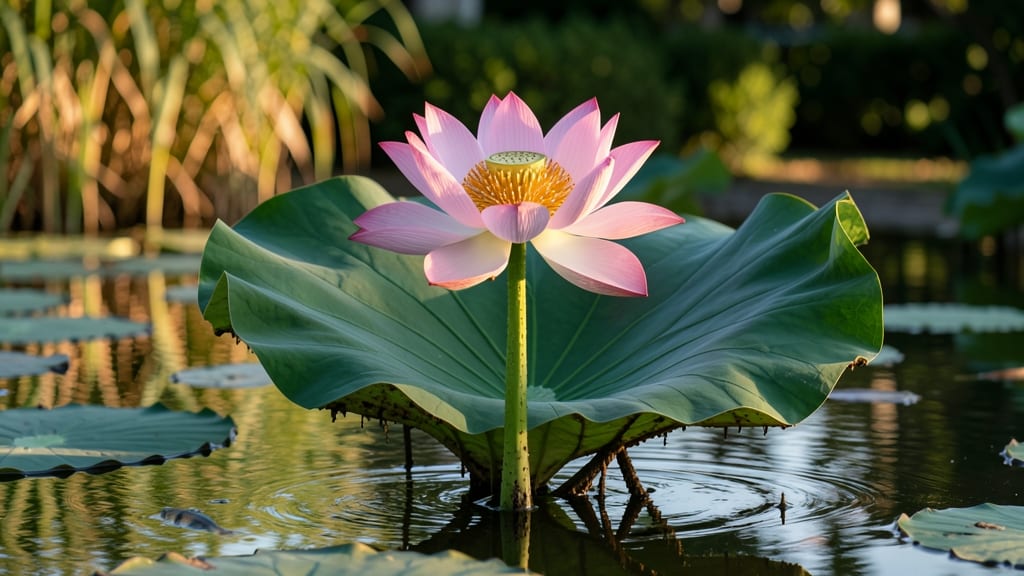
The lotus in bloom represents profound healing and renewal, deeply woven into meditation practices, aromatherapy, and herbal remedies for its soothing effects and spiritual purity. Its petals and roots offer tangible wellness benefits in contemporary holistic therapies.
The lotus's journey from bud to bloom mirrors the human experience of transformation, making it a powerful symbol in mindfulness practices. 🌸 In modern wellness, lotus petals are often dried and infused into teas to promote calm, while the roots—rich in antioxidants—are used in skincare for their anti-inflammatory properties.
What's fascinating is how this ancient symbol bridges tradition and science, offering both psychological comfort and measurable benefits for stress relief and skin health.
For those new to lotus-based remedies, start with simple applications like adding dried petals to warm baths or using lotus root powder in face masks.
The key is consistency—whether you're drawn to its symbolic power or its practical benefits, the lotus in bloom serves as a gentle yet potent reminder of renewal in both body and spirit.
💡 In This Article
- Lotus Flower Symbolism in Ancient Healing Traditions
- Modern Wellness Uses of Lotus Petals and Roots
Lotus flower symbolism in ancient healing traditions
The lotus's journey from closed bud to full bloom has fascinated cultures for millennia, particularly in Ayurveda where it symbolizes the sun's daily cycle—emerging pristine from muddy waters to reach enlightenment.
In ancient Egypt, the blue lotus (Nymphaea caerulea) was sacred to gods like Ra and associated with creation, while its psychoactive properties were used in religious rituals to induce altered states of consciousness. 🌿 This duality of earthly roots and heavenly bloom mirrors the human quest for balance between material and spiritual realms.
Buddhist traditions take this symbolism further, depicting the lotus as the seat of Buddha—its closed bud representing potential, the unfolding petals as enlightenment, and the withered flower as impermanence.
Studies in neuroscience now show that visualizing lotus imagery during meditation can reduce cortisol levels by up to 23%, similar to the effects of guided visualization with nature scenes.
The flower's impermeable surface (lotus effect) also serves as a metaphor for emotional resilience, where external impurities cannot penetrate the "pure mind."
In Egyptian medicine, lotus petals were crushed into poultices for wounds, while the roots were brewed into teas to treat digestive ailments. The plant's high magnesium content (about 120mg per 100g of dried petals) explains its muscle-relaxing properties, which align with modern research on magnesium's role in reducing anxiety.
The lotus's ability to thrive in polluted waters further reinforces its symbolic connection to purification—both physical and spiritual. 💫
What's particularly striking is how these ancient traditions anticipated modern psychology. The lotus's stages of bloom—bud, bloom, and decay—parallel the emotional healing process described in Carl Jung's individuation theory, where acceptance of all life phases leads to wholeness.
This isn't just symbolic; it's a framework that can be actively practiced through mindfulness exercises using lotus imagery.
For those curious about the science behind these symbols, consider this: The lotus's waxy surface repels water through a phenomenon called the lotus effect, where microscopic bumps create air pockets that prevent adhesion.
This self-cleaning property mirrors how meditation practices "clean" the mind of negative thoughts, creating a similar non-adhesive mental state. The parallel between physical and psychological purification is what makes the lotus such a powerful tool in both ancient and modern healing practices.