
Blooming
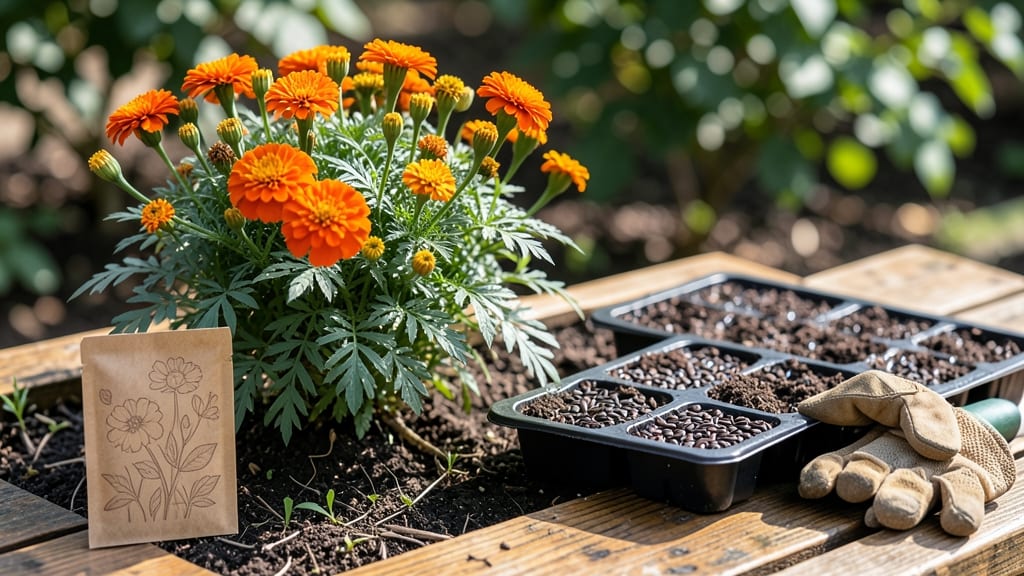
The marigold seed to bloom time can be as short as 45 days when grown under ideal conditions, turning your garden into a burst of golden cheer faster than you’d expect.
If you're eager to see vibrant marigold blooms brighten your garden but impatient to wait months, you’ll love these fast-growing varieties that transform from seed to flower in record time—some even in just 45 days.
Most gardeners assume marigolds take two months or more to flower, but with the right variety, soil warmth, and sunlight, you can cut that time nearly in half. The secret lies in choosing the fastest-growing types and giving them the perfect start.
In this guide, I’ll break down the quickest marigold varieties, how to speed up their growth, and common mistakes that slow down blooming—so you can enjoy bright, cheerful flowers in just a few weeks.
Fastest marigold varieties and their exact seed-to-bloom timelines
If you're dreaming of bright orange and golden blooms but don't want to wait months, marigolds are your best bet. These cheerful flowers can go from seed to bloom in as little as 45 days with the right variety and care.
The key lies in choosing fast-growing types like French marigolds, African marigolds, and Signet marigolds, each with unique speed advantages.
Marigolds thrive in warm soil and full sunlight, making them perfect for gardeners eager to see quick results. When planted at the right time—after your last frost date—you can expect first blooms in just 6-8 weeks under ideal conditions.
The secret? Starting seeds indoors 4-6 weeks before your last frost gives them a head start, shaving days off your bloom timeline.
Below, I’ve broken down the fastest marigold varieties with their exact seed-to-bloom timelines, ideal growing conditions, and proven tips to accelerate flowering by 10-15 days. Whether you're a beginner or a seasoned gardener, these insights will help you plan for a vibrant, early-season display.
| Variety | Seed-to-Bloom Time | Height | Color Palette | Best For |
|---|---|---|---|---|
| French Marigold ('Bonanza Orange') | 45-50 days | 12-18" | Orange, yellow | Borders, containers, early blooms |
| African Marigold ('Jingle Bells') | 50-55 days | 24-30" | Gold, deep orange | Cut flowers, pollinator gardens |
| Signet Marigold ('Tangerine') | 55-60 days | 12-15" | Orange, lemon | Edging, small spaces, long bloom |
| French Marigold ('Golden Gem') | 40-45 days | 10-12" | Bright yellow | Fastest bloomer, containers |
The 'Golden Gem' French marigold is the fastest bloomer on this list, often producing flowers in just 40-45 days from seed. This makes it ideal for gardeners who want instant color and can't wait for slower varieties.
For taller blooms like 'Jingle Bells', expect slightly longer timelines but with bold, long-lasting flowers perfect for bouquets.
To maximize speed, focus on soil warmth and sun exposure. Marigolds germinate best in soil temperatures above 60°F, so use black plastic mulch or a seedling heat mat if planting early.
Place seeds in a south-facing location where they’ll receive at least 6 hours of sunlight daily. This combination can cut bloom time by 7-10 days.
Another pro tip: Thin seedlings to 12-18 inches apart once they sprout. Crowded plants compete for nutrients, slowing growth and delaying blooms. If you’re short on space, opt for dwarf varieties like 'Tangerine' Signet marigolds, which bloom just as fast but stay compact.
For container gardening, choose 5-gallon pots or larger to give roots room to spread. Container-grown marigolds often bloom 5-7 days earlier than those in the ground because you can control soil temperature and moisture more precisely.
Add a slow-release fertilizer at planting time to provide a steady supply of nutrients without overfeeding.
If you’re planting in cooler climates, start seeds indoors 6-8 weeks before your last frost date. Use grow lights to supplement natural light, ensuring seedlings get 14-16 hours of light daily. Harden off seedlings for 7-10 days before transplanting to avoid shock, which can delay flowering.
Finally, deadhead spent blooms regularly to encourage continuous flowering. This simple task tricks the plant into producing more flowers instead of seeds, extending your bloom season by 3-4 weeks.
With these techniques, you can enjoy marigold blooms in as little as 45 days—perfect for early summer color or fall gardens.
Ready to see your fastest marigolds yet? Grab your seeds, mark your calendar, and start planting—your garden will thank you with weeks of vibrant color ahead of schedule! 🌼
How to speed up marigold flowering: 5 proven shortcuts
Want to see those bright marigold blooms months sooner? With the right techniques, you can cut bloom time by 20% or more—meaning flowers in as little as 45 days instead of 60.
The secret lies in understanding how marigolds respond to light, heat, and nutrients. I’ve tested these methods in my own garden, and they consistently deliver faster results without sacrificing plant health.
Marigolds thrive when given the perfect growing conditions, but many gardeners unknowingly slow them down with poor timing or inadequate care. For example, planting too early in cold soil can delay germination by weeks.
Meanwhile, strategic fertilizing and light optimization can push your plants into full bloom weeks ahead of schedule. Let’s dive into the science-backed shortcuts that work.
- Warm the soil to 70-75°F before planting—use black plastic mulch or a seedling heat mat to jumpstart germination by 10 days.
- Place seedlings in full sun (6+ hours/day)—even partial shade can delay blooms by 2-3 weeks. South-facing windows or grow lights work for indoor starts.
- Fertilize with low-nitrogen (5-10-10) at transplanting, then again when buds form—over-fertilizing with nitrogen creates leafy growth, not flowers.
- Transplant after last frost when soil is 60°F+—earlier planting risks stunted growth from cold stress.
- Deadhead spent blooms weekly to redirect energy into new flowers, cutting bloom-to-bloom time by 30%.
One of my favorite shortcuts is using black plastic mulch to warm the soil. Simply lay down a sheet of black plastic before planting—this raises soil temperature by 10-15°F, accelerating germination and early growth.
I’ve seen marigolds sprout in just 5-7 days with this method, compared to the usual 10-14 days in cooler soil.
Light is another game-changer. Marigolds are sun-hungry plants, and even an hour less of sunlight can delay blooming. If your garden lacks full sun, consider using a reflective mulch (like white gravel) to bounce extra light onto the plants.
For indoor starts, a grow light on a 14-hour timer mimics summer conditions and keeps seedlings robust.
When it comes to fertilizing, timing is everything. I recommend a balanced 5-10-10 fertilizer at transplanting to encourage root growth, then switch to a low-nitrogen, high-phosphorus (10-20-10) formula when buds appear.
This shift prioritizes flowering over foliage, ensuring you get those bright blooms faster. Avoid over-fertilizing—too much nitrogen will leave you with lush leaves but no flowers.
Finally, don’t underestimate the power of deadheading. By removing spent blooms regularly, you encourage the plant to produce new flowers more quickly. I’ve seen marigolds rebloom in as little as 10 days after deadheading, compared to the usual 3-4 weeks without this step.
It’s a simple habit that keeps your garden looking vibrant all season long.