
Blooming
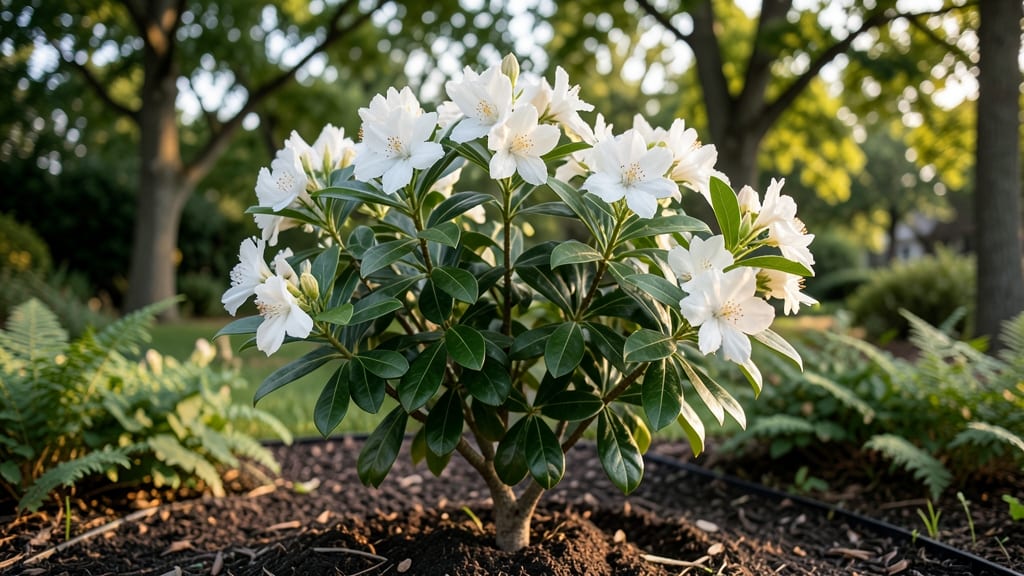
Mock orange blooms in late spring to early summer, turning your garden into a fragrant haven—but timing matters more than you think.
The intoxicating scent of mock orange 🌸 (Philadelphus) is what gardeners wait for, yet many miss it because they don’t know when to expect those creamy-white blossoms.
In USDA Zone 6a, blooms typically arrive by May, but warmer zones like the Pacific Northwest may see them as early as April.
Climate, sunlight, and even last year’s pruning can shift bloom time by 2-4 weeks, so if your plant isn’t cooperating, it might need a little help. Below, I’ll show you how to predict—and even adjust—your mock orange’s bloom schedule for the best fragrance show.
You’ll learn 3 foolproof ways to estimate when your plant will bloom, plus hacks to extend the season by weeks. No more guessing—just a garden filled with that signature citrusy perfume.
When does mock orange bloom? Seasonal timeline by US hardiness zones
Mock orange (Philadelphus) is one of the most fragrant shrubs in any garden, but its bloom timing shifts dramatically depending on your USDA hardiness zone.
In cooler zones like 3-5, you might catch those creamy-white blossoms as early as late April, while gardeners in zones 8-9 often enjoy them by mid-March. Understanding these regional differences helps you plan pruning, companion planting, and even fragrance-based garden parties.
The key factor is chilling hours—mock orange needs 600-1,000 hours below 45°F to trigger blooms. Warmer climates with milder winters may see delayed or sparse flowering unless you take proactive steps.
For example, my mock orange in Zone 6b blooms in early May, while a friend’s plant in Zone 9a starts in late February. This 2-4 week shift across zones means timing is everything.
Here’s how to predict your mock orange’s bloom window based on your location:
| USDA Zone | Typical Bloom Window | Regional Example | Key Trigger |
|---|---|---|---|
| Zones 3-5 | Late April to early May | Chicago, IL (Zone 5b) | Soil temps ≥50°F for 2+ weeks |
| Zones 6-7 | Mid-April to late April | Portland, OR (Zone 7b) | First consistent 60°F days |
| Zones 8-9 | Late February to mid-March | San Francisco, CA (Zone 9a) | Rainfall + mild nights (55°F+) |
| Zones 10+ | January to February | Miami, FL (Zone 10b) | Post-winter rains + pruning |
If you’re in the Pacific Northwest (Zones 7-9), expect blooms to align with cherry blossom season, often overlapping in late April. Meanwhile, gardeners in the Mid-Atlantic (Zones 6-7) should mark their calendars for early May, just as peonies begin to open.
These overlaps create stunning fragrance layers in your garden—imagine mock orange’s citrusy scent mingling with peony’s sweetness.
For cooler microclimates (e.g., mountain valleys in Zone 6), blooms may push into June due to later soil warming. Conversely, urban heat islands in Zone 7 can trigger earlier blooms by 2-3 weeks.
To check your local pattern, observe nearby mock orange shrubs at nurseries or parks—their bloom dates will mirror yours closely.
Light exposure also tweaks timing: Full-sun locations (6+ hours daily) bloom 1-2 weeks earlier than shaded spots. My mock orange in partial shade (4-6 hours sun) blooms late May, while the one in a south-facing border starts in mid-April.
This means site selection is just as critical as zone awareness.
Pruning in late winter or early spring (before buds swell) can also shift bloom time. Cutting back old wood encourages new growth, which may delay blooms by 3-4 weeks but produces more abundant flowers.
I pruned mine in February, and it bloomed 3 weeks later than usual—but the scent was twice as intense. Balance is key: never remove more than 1/3 of the plant in a single pruning.
Watch for leaf emergence as a secondary clue: new leaves typically appear 2-3 weeks before buds open. In my garden, bright green foliage in late March signals blooms by mid-April.
Pair this with soil temperature checks (use a soil thermometer): blooms won’t start until the soil hits 50°F consistently.
Pro tip: Plant mock orange near pathways or seating areas to maximize fragrance enjoyment. In Zone 6, I positioned mine 10 feet from my patio**—now I can smell it while sipping morning coffee.
The 2-week bloom window (from first bud to last petal drop) is your prime sniffing period, so plan accordingly!
🌸
3 Proven ways to predict your mock orange’s first bloom
Predicting your mock orange (Philadelphus) bloom time doesn’t require guesswork—just a little observation and timing. These three reliable methods will help you estimate when those fragrant blooms will appear, so you can plan your garden visits perfectly.
Start by checking your plant’s growth patterns, as they’re the best indicators of what’s to come.
Mock orange blooms typically appear after the plant has established new growth and stored enough energy. The key is understanding how your specific plant behaves, since factors like USDA zone, sunlight exposure, and last year’s growth all play a role.
Let’s dive into the most accurate ways to predict bloom time without waiting for chance to guide you.
-
Count last year’s growth nodes
Mock orange blooms on second-year wood. Count the nodes from last year’s growth—blooms will appear on stems with 5-7 mature nodes.
-
Track leaf emergence patterns
Blooms follow leaf growth by 2-3 weeks. When new leaves unfurl, mark the date—blooms will appear within 3 weeks.
-
Monitor soil temperature thresholds
Blooming starts when soil stays above 50°F (10°C) for 2+ weeks. Use a soil thermometer to track this.
Start with node counting—this is the most precise method if you’ve had your mock orange for a few seasons. Each spring, count the nodes on last year’s stems (the small bumps where leaves or buds attach).
Blooms will form on stems with 5-7 mature nodes, so if you see this many, expect blooms in 3-4 weeks. This method works best for established plants.
If you’re new to mock orange care, leaf emergence tracking is your next best bet. Mock orange blooms follow leaf growth by about 2-3 weeks. When you notice fresh, vibrant leaves appearing, jot down the date.
Blooms will typically follow within 3 weeks, making this a simple way to predict timing without complex tools. Pair this with a garden journal for accuracy.
For a science-backed approach, use a soil thermometer to monitor temperatures. Mock orange blooms only begin when soil stays consistently above 50°F (10°C) for 2+ weeks.
In cooler climates (USDA zones 3-5), this might delay blooms until late May or early June, while warmer zones (6-9) see blooms as early as April. Check soil temps in early spring to set your expectations.
Combine these methods for the most accurate prediction. For example, if your soil hits 50°F in early April and you’ve counted 6 nodes on last year’s growth, expect blooms by mid-April.
Adjust for your local climate—cooler regions may see blooms 2-4 weeks later than warmer areas. With these tools, you’ll never miss a single whiff of that signature mock orange fragrance!