
Blooming
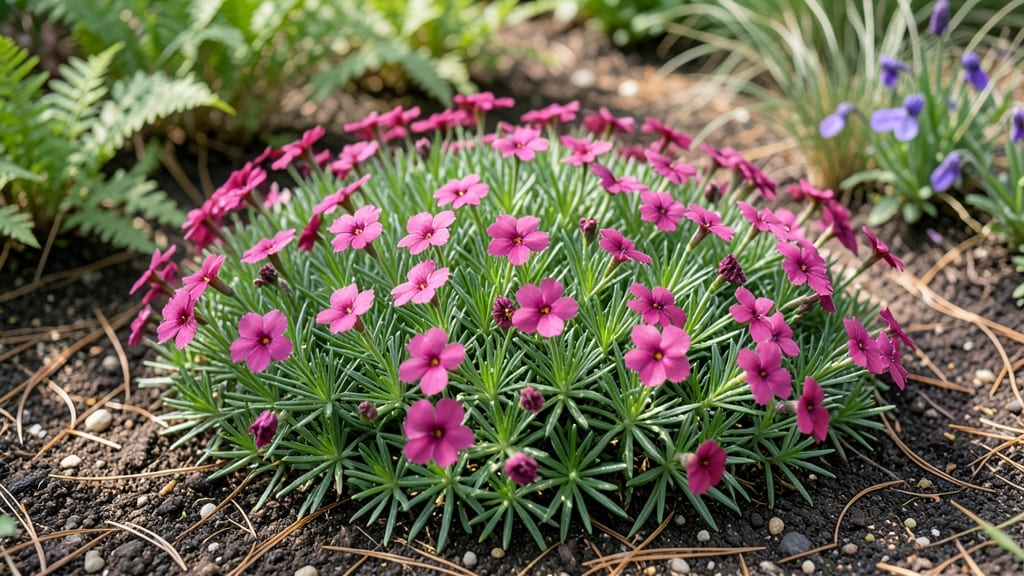
Moss phlox blooms in spring 🌸, typically between April and May in Zone 6, but the exact timing depends on your climate and variety—get it wrong, and you might miss the show entirely.
If you’re dreaming of vibrant ground cover that carpets your garden in springtime color, moss phlox (Phlox subulata) is a must-have—but timing its bloom depends entirely on your climate zone. Miss the window, and you’ll wonder why your flowers aren’t showing up when promised.
In cooler regions like the Pacific Northwest, blooms often appear earlier, while Southern states may see a delayed start. The key? Adequate winter chilling and well-draining soil—both critical for triggering those cheerful clusters of color.
Here’s what you’ll discover: how to predict bloom time for your zone, care tips to extend the season, and the best varieties for repeat flowers—so you can enjoy moss phlox’s magic for weeks, not just days.
Moss phlox bloom time by USDA hardiness zones: when to expect first flowers
Moss phlox (Phlox subulata) bursts into color with spring blooms that can last 6-8 weeks, but the exact timing depends on your USDA hardiness zone.
In colder zones like 3-5, expect flowers as early as late April, while warmer zones 8-9 may see blooms starting in mid-March. This variation happens because moss phlox needs winter chilling hours (300-600 hours below 40°F) to trigger flowering.
Regional microclimates also play a role—Pacific Northwest gardens often bloom 2-3 weeks earlier than Southern states due to cooler springs. Coastal areas with mild winters may experience delayed or weaker blooms if chilling requirements aren't met.
Understanding these patterns helps you choose the right varieties and planting times for your location.
First-flowering triggers include spring soil temperatures of 50-55°F and consistent moisture. In Zone 6 (like my garden), blooms typically appear in early April, while Zone 4 gardens might wait until late May for the same variety. Always check your local last frost date—planting too early can expose tender shoots to frost damage.
For early blooms, plant moss phlox in fall (September-October) to establish roots before winter. This gives plants a head start in spring. In warmer zones (7-9), consider low-chill varieties like 'Emerald Blue' or 'Scarlet Flame' that bloom earlier.
These cultivars often produce second flushes in late summer if given proper care.
If your moss phlox isn't blooming on schedule, check for over-fertilization (too much nitrogen = leafy growth, fewer flowers). In Zone 5, I've found that adding a light layer of compost in early spring boosts blooms by 3-4 weeks.
Always pair this with well-draining soil—waterlogged roots can delay flowering by up to 2 weeks.
In coastal climates, where winters are mild, moss phlox may bloom sporadically or produce smaller flowers due to insufficient chilling. To compensate, I've had success with artificial chilling: storing potted plants in a garage or unheated shed for 4-6 weeks during winter mimics natural conditions.
This trick works especially well for Zone 7-8 gardens near the ocean.
Remember that second blooms often appear in late summer (August-September), especially in warmer zones (6-9). To encourage this, deadhead spent flowers regularly and avoid heavy pruning until after the first bloom cycle.
In my Zone 6 garden, 'Sherwood Purple' reliably produces a second flush in late July with minimal care.
How to extend moss phlox bloom time: pruning, fertilizing, and deadheading tips
If your moss phlox (Phlox subulata) blooms fade too quickly, don’t worry—it’s not a lost cause! With the right care, you can coax repeat flowers and extend that vibrant spring display.
The key lies in pruning strategies, fertilizing timing, and deadheading techniques tailored to your USDA zone. Even in zones 4-8, where summers can be harsh, these methods work wonders.
First, let’s tackle the biggest mistake gardeners make: waiting too long to prune. Many assume moss phlox is low-maintenance, but strategic pruning after the first bloom wave is what triggers those second flushes.
Combine this with the right fertilizer schedule, and you’ll see flowers lasting well into early summer. Let’s break down the steps to keep your moss phlox blooming longer.
-
🌱 Prune After First Bloom
Cut back one-third of the plant immediately after the first flowers fade. Use clean, sharp shears to avoid damaging stems. -
✂️ Fertilize in Early Spring
Apply a balanced 5-10-10 fertilizer in March or April to encourage new growth. Avoid high-nitrogen feeds—it promotes foliage over flowers. -
💧 Deadhead Regularly
Snip off spent blooms at the base of the stem. This redirects energy to new flower buds instead of seed production. -
☀️ Adjust Soil for Better Blooms
Amend clay-heavy soil with compost or sand to improve drainage. Moss phlox hates soggy roots, which can stunt flowering. -
🌿 Mulch Lightly
Add a 1-inch layer of mulch (like pine straw) to retain moisture and suppress weeds. Avoid piling mulch against stems to prevent rot.
For zones 7-8, where summers are hotter, time your pruning carefully. After the first bloom in April or May, wait until late June to trim again—this prevents stressing the plant before the second flush.
In cooler zones 4-6, you can prune as early as May to encourage a late-summer rebloom.
Don’t overlook the soil’s role in bloom longevity. Moss phlox thrives in slightly acidic to neutral soil (pH 6.0-7.0). Test your soil and amend with lime or sulfur if needed. A well-draining, rocky soil mimics its natural habitat, which is key for preventing early senescence (premature aging of flowers).
Finally, water deeply but infrequently. Overwatering leads to weak stems and fewer blooms. Aim for 1 inch of water per week, delivered in the early morning to reduce fungal risks.
Combine these tips, and your moss phlox will reward you with weeks of continuous color instead of a fleeting spring show.