
Blooming
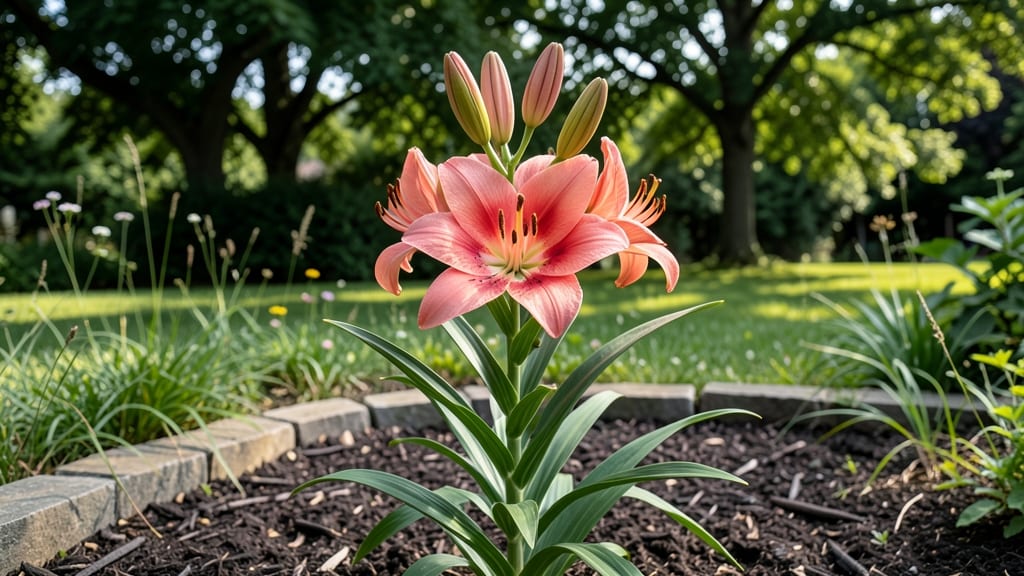
Oriental lilies bloom in July through September 🌸, when they transform your garden into a fragrant masterpiece—but timing can vary wildly depending on where you live and how you care for them.
If you’ve ever wondered why your oriental lilies bloom at different times each year—or why some never seem to flower at all—the answer lies in heat triggers and seasonal cues.
These stunning perennials rely on precise temperature patterns to burst into their fragrant, velvety blooms, and understanding their bloom time can mean the difference between a showstopping garden and a missed season of beauty.
In USDA Zone 6a, where spring arrives later, lilies often wait until mid-to-late July to open their petals, while warmer climates may see blooms as early as June.
The key? Heat accumulation over 120 to 150 days after planting, which is why late spring planting (April–May) sets the stage for the best show.
Below, I’ll break down the exact month-by-month heat triggers, how to adjust care for earlier or later blooms, and the best companion plants to pair with your oriental lilies for a longer-lasting summer display.
When do oriental lilies bloom? Month-by-month heat trigger breakdown
Oriental lilies bloom between mid-summer and early fall, but their exact timing depends on heat accumulation and USDA zone. Unlike other lilies, these beauties need consistent warmth—typically 70°F+ soil temps—to trigger flowering.
In Zone 6, expect blooms in July-August, while Zone 9 gardens may see flowers as early as June or as late as September. Understanding these patterns helps you predict and plan for their stunning displays.
The key to oriental lily blooming lies in vernalization—a cooling period followed by heat exposure. After winter dormancy, bulbs need 10-14 days of 60°F+ soil temps to break dormancy. Once active, they require at least 1,500 heat units (measured in growing degree days) to produce buds.
This explains why late springs can delay blooms—your lilies might not hit their heat threshold until August.
In USDA Zone 6, oriental lilies typically begin blooming in early July, with peak displays in mid-to-late August. The first frost risk after September 15 signals the end of their season.
Meanwhile, Zone 9 gardens enjoy a longer bloom window, often starting in June and lingering into early October. This extended season is due to warmer winters and longer heat accumulation periods.
Photoperiodism also plays a role—oriental lilies respond to decreasing daylight in late summer, which triggers flower production. This explains why northern climates (like Zone 4-5) may see later blooms (August-September) compared to southern zones.
If you’re in a cooler microclimate, consider mulching heavily in spring to warm soil faster and advance blooming.
One common misconception is that oriental lilies bloom in summer like Asiatic lilies. While they do start in summer, their peak is late summer to early fall. This timing makes them perfect companions for daylilies (June-July) and chrysanthemums (September-October). For
How to control oriental lily bloom time with heat and care
Oriental lilies are dramatic showstoppers, but their bloom timing can feel unpredictable. The secret to controlling when they flower lies in manipulating soil temperature, heat exposure, and seasonal care.
By adjusting these factors, you can coax blooms earlier or delay them for a longer display. Let’s explore how to take charge of your oriental lilies’ flowering schedule without compromising their health.
First, understand that oriental lilies need consistent warmth to trigger blooming. Most varieties require 1,500-2,000 heat units (measured in growing degree days) to produce flowers. In cooler climates (USDA zones 4-6), this often means waiting until late summer.
But with strategic care, you can shift that timeline by 3-4 weeks in either direction.
- 🌡️ Warm the soil in early spring by using black plastic mulch or heat-absorbing landscape fabric to raise soil temps by 5-10°F, accelerating bulb activation.
- 💧 Water deeply in late afternoon (not evening) to retain soil moisture and prevent temperature swings that can delay blooming.
- ✂️ Prune spent blooms immediately after flowering to redirect energy to next year’s buds, but avoid cutting foliage until it yellows naturally.
- ☀️ Provide afternoon shade in hot climates (zones 7-9) to prevent heat stress, which can stunt flower development.
- 🌱 Fertilize in early summer with phosphorus-rich food (like 5-10-10) to boost bloom production for the following season.
To advance blooms, start by planting bulbs in warmer microclimates, such as near south-facing walls or in raised beds. These spots can receive 10-15% more sunlight, speeding up heat accumulation.
For an extra boost, apply a 2-inch layer of straw mulch in early spring—this insulates the soil and keeps temperatures stable, encouraging early growth.
If you’re dealing with late or non-blooming lilies, check for these common issues: overcrowded bulbs (dig and divide clumps every 3-4 years), poor drainage (amend soil with compost), or nutrient deficiencies (test soil pH and add lime if needed).
Oriental lilies thrive in slightly acidic soil (pH 6.1-6.5), so adjust accordingly to encourage flowering.
For a delayed bloom display, withhold water slightly in late summer to stress the plant gently, which can trigger dormancy and push blooms later into fall.
Pair this with light pruning of new growth in early August to slow development. Just be cautious—too much stress can reduce flower quality, so monitor closely.
Finally, remember that consistency is key. Oriental lilies reward gardeners who provide stable care—whether that’s through precise watering, strategic mulching, or thoughtful pruning. With these techniques, you’ll transform your garden into a timed floral masterpiece, where every bloom arrives exactly when you want it. 🌸