Blooming
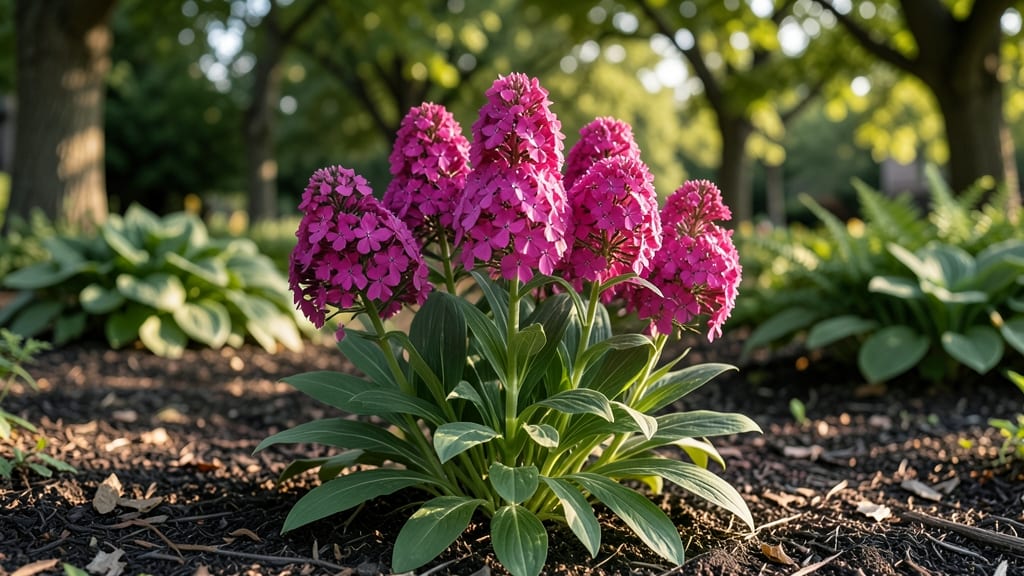
The phlox paniculata bloom time is a highlight of mid-to-late summer—typically between July and September, depending on your hardiness zone and variety.
Picture this: your garden bursting with vibrant clusters of pink, purple, or white 🌸 just as the heat of summer peaks. But timing is everything—plant too late, and you might miss the show entirely.
The secret to predicting those first blooms lies in knowing your zone, choosing the right variety, and giving your plants the care they need to thrive.
From the cool climates of Zone 3 to the warmer stretches of Zone 8, bloom times can shift by weeks. Early bloomers like 'David' might start as soon as June in milder zones, while late varieties like 'Blue Paradise' could hold off until August.
Sunlight, soil, and even deadheading play a role in stretching that bloom season from a few weeks into a full month.
In this guide, I’ll break down exactly when to expect those first flowers, how to extend the show, and the simple care tricks that keep your Garden Phlox looking its best all season long.
When does phlox paniculata bloom? Exact timing by variety & hardiness Zone
Phlox paniculata, also called garden phlox, is one of the most beloved summer-blooming perennials—but its exact bloom window depends on variety and USDA hardiness zone.
In my Zone 5 garden, I’ve seen blooms start as early as late June and stretch into early September, but timing shifts dramatically in warmer or cooler climates. Understanding these patterns helps you plan companion plants and extend the show with strategic care.
For example, ‘David’ phlox (a classic pink variety) often blooms 2–3 weeks earlier than ‘Lipstick’ phlox, which sports bold magenta blooms. Meanwhile, ‘Blue Paradise’ tends to flower 1–2 weeks later in my experience.
These differences matter if you’re aiming for continuous color—mixing early, mid-, and late-season varieties can create a nonstop floral display from July through August.
Climate plays a huge role: In Zone 3, expect blooms to start 4–6 weeks later than in Zone 7. Cooler springs delay growth, while warmer zones (6–8) may see earlier—and sometimes longer—blooming periods.
Below, I’ve broken down bloom timing by variety and hardiness zone to help you predict when your phlox will shine.
| Variety | Zone 3–4 | Zone 5–6 | Zone 7–8 | Notes |
|---|---|---|---|---|
| ‘David’ (pink) | Late July–early Aug | Mid-July–early Sept | Late June–late Aug | Early bloomer; great for cooler climates |
| ‘Lipstick’ (magenta) | Early Aug–mid-Sept | Late July–late Sept | Mid-July–Sept | Heat-tolerant; long-lasting blooms |
| ‘Blue Paradise’ (blue) | Early Aug–early Sept | Late July–Oct | Late June–Sept | Late-season performer; attracts pollinators |
| ‘White Perfection’ (white) | Mid-Aug–Sept | Late July–Sept | Early July–Sept | Fragrant; thrives in partial shade |
| ‘Blue Moon’ (lavender-blue) | Late July–early Sept | Mid-July–Oct | Late June–Sept | Drought-tolerant once established |
If you’re in Zone 3 or 4, don’t be surprised if your phlox blooms 4–6 weeks later than the table suggests—cooler springs delay growth.
I’ve seen ‘David’ phlox in my Zone 4 garden wait until early August to open its first buds, while the same variety in Zone 7 might bloom by late June. To adjust, start seeds 4–6 weeks earlier in cooler zones or choose heat-tolerant varieties like ‘Lipstick’ for warmer areas.
For Zone 5–6 gardeners, timing is more predictable, but early spring frost can cut blooms short. To extend the season, I deadhead spent blooms every 7–10 days and fertilize lightly in early summer to encourage reblooming.
In my experience, this can add 2–3 extra weeks of color. Pairing early bloomers like ‘David’ with late-season varieties like ‘Blue Paradise’ ensures continuous blooms from July to September
How to extend phlox paniculata bloom time: pruning & care tips
Your Phlox paniculata can transform your garden into a summer paradise, but only if you give it the right care. With the right pruning techniques and seasonal adjustments, you can extend those stunning blooms by 3–6 weeks.
The secret lies in understanding when to cut back, how to prevent common issues like powdery mildew, and keeping your plants well-fed for continuous flowering.
Most gardeners make the mistake of letting spent blooms linger or pruning at the wrong time, which shortens the bloom season. Instead, follow these proven care tips to keep your phlox looking fresh and vibrant well into late summer.
Start with proper deadheading—this simple step alone can add weeks to your display.
- 1
- 2
- 3
- 4
- 5
Don’t forget to mulch around the base with 2–3 inches of organic mulch (like shredded bark) to retain moisture and suppress weeds. This keeps your phlox healthy and ready to rebound after pruning.
In cooler climates (zones 3–4), wait until late spring to prune—early cuts can damage tender new growth.
With these simple adjustments, your Phlox paniculata will reward you with continuous blooms from early summer through early fall. The key is consistency—stay on top of deadheading, feed regularly, and watch your garden transform into a nonstop floral show! 🌸