
Blooming
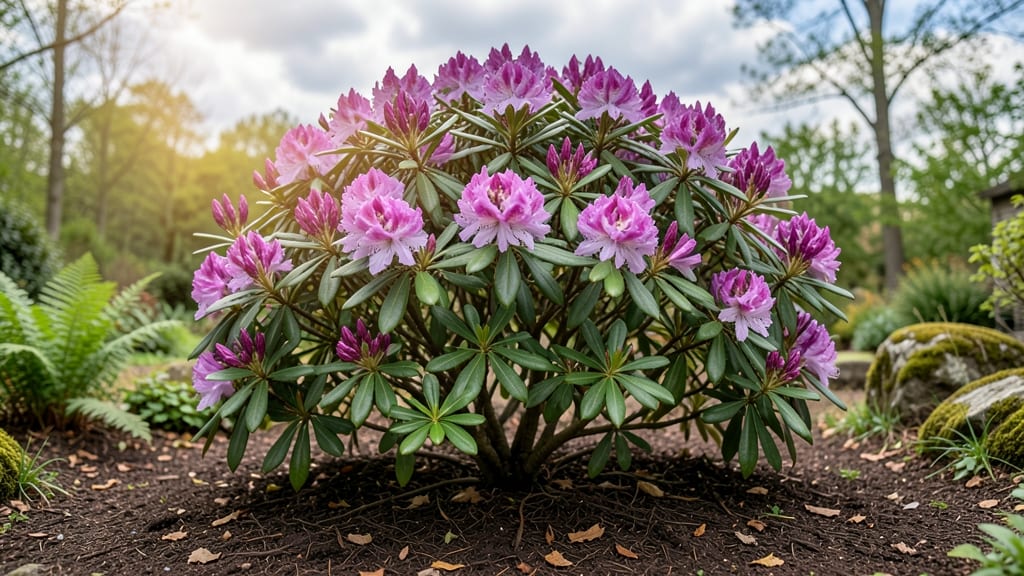
The PJM rhododendron bloom time is a gardener’s secret to double the purple beauty—once in spring and again after frost, if you time it right.
Picture this: your 🌸 PJM rhododendron bursts into color in late April or May, only to surprise you with a second show in June or July after a light frost. Most rhododendrons call it quits after their first bloom, but this one plays by its own rules.
In USDA Zone 6, where these shrubs thrive, the magic happens when cool nights and mild days align—typically April through June. But the real trick? A late frost can trigger that second bloom, turning your garden into a two-season spectacle.
Want to unlock this reblooming potential? I’ll break down the exact timing, why frost works like a reset button, and how to care for your PJM to keep those flowers coming—without overdoing it.
PJM rhododendron bloom time: exact seasons and frost reblooming cycle
The PJM rhododendron (Rhododendron 'PJM') is famous for its vibrant purple blooms that appear twice a year, making it a standout in any garden. Unlike most rhododendrons, it reblooms after frost, creating a second show in summer.
Understanding its bloom timing helps you plan your garden and maximize its stunning displays.
In most USDA zones 4-7, the primary bloom occurs in late April to early May, with the secondary rebloom appearing 6-8 weeks later, typically in June or July.
This unique pattern is triggered by light frost exposure, which resets the plant’s flowering cycle. Let’s break down the exact timing and what influences it.
📊 Summary Table: PJM Rhododendron Bloom Cycle by USDA Zone
| Zone | Primary Bloom | Rebloom Trigger | Rebloom Time | Notes |
|---|---|---|---|---|
| 4 | Late May | Light frost | July-August | Shorter season; needs protection |
| 5 | Early May | Mid-May frost | June-July | Reliable rebloom with care |
| 6 | April-May | Late April frost | June | Best rebloom potential |
| 7 | March-April | Rare frost | May-June | Rebloom less predictable |
The primary bloom of PJM rhododendrons is heavily influenced by last frost dates. In USDA Zone 6, where I garden, buds typically swell in late March, with flowers opening by mid-April.
However, if a light frost (below 30°F) hits after buds form but before blooming, it can delay or even prevent the first flush.
What makes PJM special is its reblooming ability. After the first bloom fades, the shrub enters a dormancy-like state triggered by cool temperatures.
A light frost in late spring (around May 15 in Zone 6) acts as a signal to restart flower production, leading to the second bloom in June or July. This is why gardeners in USDA Zones 4-6 often see the best results.
In warmer zones (Zone 7+), the rebloom becomes unpredictable because frosts are rare. Without that cold trigger, the plant may skip the second bloom entirely.
If you live in Zone 7, you can simulate frost by lightly misting the plant with water on a cool evening (50°F) to encourage reblooming.
Another key factor is plant maturity. Young PJM rhododendrons (under 3 years old) may only produce one bloom cycle per year. It takes 3-5 years for them to establish strong root systems and consistently rebloom.
If your plant is young, be patient—its second bloom will come with age and proper care.
Light exposure also plays a role. While PJM thrives in partial shade, too little light can weaken the plant and reduce blooming. Aim for 3-6 hours of morning sun and afternoon shade.
In my garden, I’ve noticed that plants near east-facing windows or under high-canopy trees produce the most abundant blooms.
Soil conditions matter too. PJM rhododendrons prefer acidic, well-draining soil with a pH of 4.5-6.0. If your soil is alkaline, the plant may struggle to absorb nutrients, leading to fewer blooms.
Amending with peat moss or sulfur can help maintain the ideal pH. I test my soil every 2-3 years to ensure it stays in the optimal range.
To encourage the best reblooming cycle, avoid heavy pruning after the first bloom. Instead, lightly trim spent flowers and any overcrowded branches in early summer.
This gives the plant energy to produce new buds for the second bloom. Over-pruning can stress the shrub and reduce its ability to rebloom.
Finally, consistent watering and mulching are critical. Deep watering once a week (more in summer) keeps roots healthy, while a 2-3 inch layer of mulch retains moisture and regulates soil temperature.
In my experience, well-cared-for PJM rhododendrons reward gardeners with two stunning bloom cycles each year—proof that a little patience and the right conditions go a long way! 🌸
Why PJM rhododendrons rebloom after frost: science and care tips
The PJM rhododendron is famous for its reblooming habit after frost, unlike most rhododendrons that bloom once per season. This unique trait happens because of hormonal triggers tied to its natural dormancy cycle.
When frost hits, it acts like a reset button, signaling the plant to produce new flower buds. Understanding this process helps you maximize those stunning purple blooms twice a year!
Frost triggers dormancy hormones in the plant, which then stimulate flower bud formation in late spring or early summer. This second bloom often appears 6-8 weeks after frost exposure, typically in June or July. The key is ensuring your plant stays healthy enough to respond to this natural cue.
⚠️ callout warning
Cutting back more than 1/3 of growth before frost can eliminate reblooming potential. Prune only after blooms fade to preserve next year's buds. Frost-sensitive buds form on current year's growth—don't remove them!
To encourage reblooming, maintain acidic soil (pH 4.5-6.0) using pine needles or peat moss in the root zone. These plants thrive in partial shade but need morning sunlight for strong growth. Water deeply once a week during dry spells to prevent stress.
After the first bloom cycle, apply a balanced fertilizer (10-10-10) in early spring to support new growth. Avoid heavy feeding after mid-summer, as this can stimulate tender growth vulnerable to late frosts. Mulch with organic matter to protect roots during winter.
If your PJM rhododendron skips reblooming, check for overcrowded roots or improper pruning. These plants need space to develop new buds. In USDA Zone 5 or colder, provide winter protection like burlap wraps to ensure enough frost exposure for the rebloom trigger.
With the right care, your PJM rhododendron can reward you with two stunning bloom cycles per year. The secret lies in respecting its natural dormancy cycle while providing consistent moisture and protection. Watch those purple trumpets return after frost—it's nature's magic in action! 🌸