
Blooming
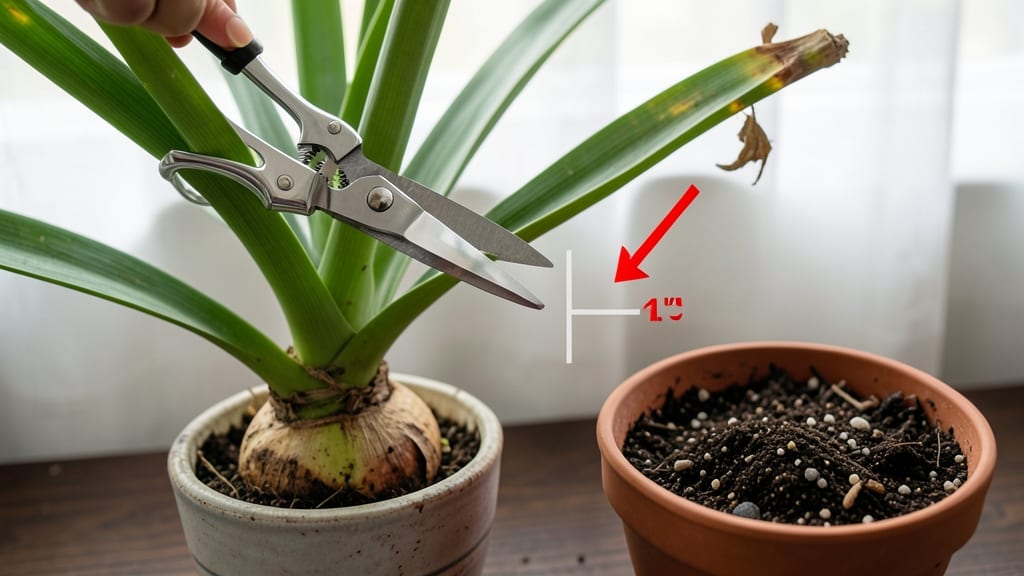
Your amaryllis won’t rebloom if you cut the flower stalk in the wrong place—or at the wrong time. ✂️ After those dramatic blooms fade, the real work begins: knowing exactly where to snip so next year’s flower spike gets the energy it needs.
I’ve pruned dozens of amaryllis bulbs, and the difference between a reblooming plant and a sad, leafy one comes down to this single cut.
The perfect moment arrives when the flower stalk turns brown and crispy, but the leaves stay green. Cut ½ inch above the bulb—never at the base—using clean shears.
This tiny detail prevents rot while preserving the bulb’s stored energy. Skip this step, and you’ll end up with strong leaves but no flowers next season.
After pruning, ease up on watering but keep the soil lightly moist. Move the pot to bright, indirect light (no scorching sun) and resume fertilizing every 4-6 weeks with a balanced bulb food. By late summer, your plant will start pushing new growth—proof the cut was right.
Common mistakes? Cutting too early (leaves yellow from shock) or too late (bulb rots). Patience is key: wait until all flower stalks are completely brown** before touching the leaves. That’s when reblooming magic begins.
📚 In This Guide
- What you need
- Instructions
- Tips and common mistakes
- Wrapping up and next steps
What you need
- ● Sharp pruners or clean scissors – sterilized with rubbing alcohol (to prevent disease). Avoid dull tools that crush stems!
- ● Ruler or measuring tape – For precision cuts (aim for 1–2 inches above the bulb after flowering).
- ● Well-draining potting mix – 2–3 parts perlite, cactus/succulent soil, or a 50/50 blend of peat moss and sand (amaryllis bulbs hate soggy roots!).
- ● Lightweight container with drainage holes – 1–2 inches wider than the bulb (e.g., terracotta pot or plastic nursery pot).
- ● Watering can with a narrow spout – For gentle hydration (avoid overhead watering to prevent rot).
- ● Houseplant fertilizer – Balanced 10-10-10 or bulb-specific formula (diluted to ½ strength during dormancy prep).
- ● Hydrogen peroxide (3%) – 1 tsp per cup of water for soaking cut stems (speeds healing and deters bacteria).
- ● Cinnamon powder – Sprinkle on cut stems to prevent fungal growth (nature’s antiseptic!).
- ● Grow lights or sunny windowsill (south-facing) – 12–14 hours of light/day post-pruning to encourage foliage growth.
- ● Bulb food tablets – Slow-release granules for extra nutrients during the regrowth phase.
Precision pruning for amaryllis rebloom: where and how to cut after flowering
Here’s exactly where to snip your amaryllis—and why timing matters more than you think.
✂️ Step 1: Wait Until Flowers Fully Fade and Stems Dry
Don’t cut too soon. Wait until the flower spike turns completely brown and crispy—this usually takes 2-3 weeks after blooms wilt. You’ll see the stem dry out from the top down, and the leaves may start yellowing too. This signals the plant has redirected energy back into its bulb for next season.
If you cut too early, you’ll remove the bulb’s food source before it’s stored. I’ve seen growers rush this step and end up with weak, non-flowering bulbs the next year. Patience here ensures strong rebloom potential.
🌱 Step 2: Cut the Flower Spike at the Base, Just Above the Bulb
Use clean, sharp scissors or pruners to snip the dried flower stalk right at the bulb’s neck. Make the cut at a 45-degree angle to prevent water from pooling on the bulb’s surface. This small detail keeps rot at bay and protects the plant’s health.
Don’t leave a stub—cut flush to avoid hiding moisture or pests. If you’re unsure where the bulb’s neck is, look for the slight indentation where the stem meets the bulb. This is your target spot for a clean, precise cut.
☀️ Step 3: Adjust Light and Water to Encourage Bulb Recovery
After pruning, move your amaryllis to bright, indirect light for 4-6 weeks. Too much direct sun now can stress the bulb, while too little light weakens its stored energy. You’ll see the leaves start yellowing—this is normal as the plant focuses on rebuilding bulb reserves.
Water sparingly during this period. Let the top 1-2 inches of soil dry out between waterings. Overwatering now can cause bulb rot, especially since the plant isn’t actively growing. Think of this as a resting phase—your amaryllis is recharging for next year’s bloom.
⏰ Step 4: Monitor for New Growth in Late Summer
By late August or early September, your amaryllis should show signs of new life—a tiny 1-2 inch spike emerging from the bulb. This is your cue that the bulb has successfully stored energy. If you don’t see growth by then, check your light and water habits—often, the issue is too much shade or inconsistent moisture.
Once the new spike reaches 3-4 inches, you can resume normal care. This is when I start fertilizing lightly with a balanced bulb food to support the upcoming bloom. The key is consistency—don’t skip this step if you want those dramatic reblooms again next year.
Tips & tricks for perfect amaryllis rebloom pruning
Confession: I skipped the waiting game for years and wondered why my amaryllis never rebloomed. Here's what nobody tells you—
Timing is Everything: That 2-3 week wait in Step 1 might feel long, but it's when your plant's magic happens. The brown, crispy stem isn't just dead—it's a food pipeline transferring nutrients back into the bulb. I learned this the hard way after rushing the cut and getting a sad, non-flowering bulb the next spring. Trust me, patience pays off with bigger, brighter blooms next season.
The 45-Degree Angle Hack: When you make that cut in Step 2, the angle isn't just about looks—it's about drainage. That slight slope prevents water from pooling on the bulb's surface, which could lead to rot. I used to cut straight across until I noticed a bulb in my collection developing soft spots. Now I always make that angled cut, and my bulbs stay healthier through their resting phase.
Light and Water Balance: During those critical 4-6 weeks after pruning, your amaryllis is in survival mode. Too much direct sun stresses it, while too little light weakens its energy reserves. I've found the sweet spot is near an east-facing window where it gets bright but indirect light. And remember—water only when the top 1-2 inches of soil are dry. I once overwatered during this phase and lost a bulb to rot, so now I double-check before watering.
Pro Tips for Rebloom Where To Cut Amaryllis After Flowering
- Confession: I skipped the waiting game for years and wondered why my amaryllis never rebloomed.
- Timing is Everything: That 2-3 week wait in Step 1 might feel long, but it's when your plant's magic happens.
- The 45-Degree Angle Hack: When you make that cut in Step 2, the angle isn't just about looks—it's about drainage.
Frequently asked questions
Got questions about reviving your amaryllis after its stunning bloom? Here are some of the most common concerns—plus expert answers to keep your plant thriving for next season!
When is the best time to cut amaryllis flower spikes after blooming?
Trim the flower spike once all blooms wilt and turn brown. This usually happens 4–6 weeks after flowering. Cutting too early can stress the bulb, while waiting too long may drain its energy. Aim for 1–2 inches above the bulb for a clean cut.
Should I cut the entire flower spike or just the dead blooms?
Remove the entire spike—don’t leave stubs! Dead blooms left on the stem can attract pests or rot. If you’re unsure, snip at the base where the spike meets the bulb. This redirects the plant’s energy toward storing nutrients for next year’s growth.
What if my amaryllis leaves start yellowing after cutting the spike?
Yellowing leaves are normal if they’re old or damaged, but if new leaves turn yellow, it may signal overwatering or poor drainage. Reduce watering and ensure the pot has drainage holes. If the bulb feels soft or mushy, it might be rotting—adjust care immediately!
Can I still get another bloom if I cut the spike too late?
Cutting too late (after the leaves yellow) won’t kill the bulb, but it may delay or reduce next year’s bloom. The plant needs 6–8 weeks of rest after flowering to recharge. If you missed the window, focus on bright light and balanced care to encourage future growth.
Do I need special tools to cut amaryllis flower spikes?
Nope! Use clean, sharp scissors or pruning shears—avoid dull tools that crush stems. Disinfect your tools with rubbing alcohol to prevent bacterial infections. A sterilized cut keeps your amaryllis healthy and ready for reblooming.
Wrapping up and next steps
Mastering the art of cutting your amaryllis after flowering is your secret weapon for next season’s stunning blooms! 🌱 With the right tools, timing, and technique, you’ll transform last year’s spent stems into a thriving plant ready to rebloom with confidence.
Start by marking your calendar for pruning in late spring or early summer—when the foliage is still lush but the flowers have faded—and soon, you’ll be rewarded with vibrant spikes and a show-stopping display.
Ready to give your amaryllis the care it deserves? Grab your pruners and try the method today—your future blooms will thank you! 🌸