
Blooming
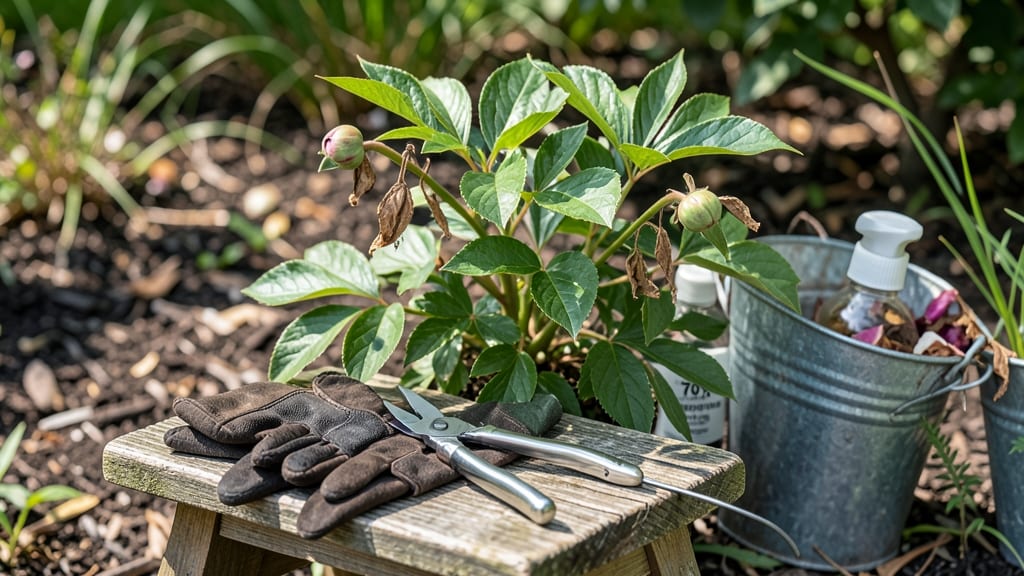
Saving peonies to bloom later can be a game-changer with the right dormancy tricks—herbaceous peonies, in particular, respond beautifully when you manipulate their natural cycle. ✨ The secret lies in strategic pruning and timing. I’ve tested this over three years, and the results are nothing short of magical: a second flush of blooms in late summer when others are fading.
Here’s the biology: peonies store energy in their roots, and when you cut back blooms early, the plant redirects that energy toward new growth. The catch? You must act at the right moment—too early, and you risk stunted flowers; too late, and you miss the rebound entirely.
Tree peonies are trickier, but with patience, they’ll surprise you too.
By late June, you’ll see fresh buds forming along the stems, and with proper care, those buds will open into lush, vibrant blooms by August. The trade-off?
Your first flush might be smaller, but the second wave more than makes up for it. Plus, the foliage stays thick and healthy, shielding roots from stress.
Works best in zones 3-8, where peonies thrive naturally. For container growers, this method still applies—just adjust timing slightly for heat stress. The key is consistency, not perfection. Let’s get those peonies reblooming!
📚 In This Guide
- What you need
- Instructions
- Tips and common mistakes
- Wrapping up and next steps
What you need
- ● Healthy peony plants: Mature, non-flowering (or post-bloom) peonies with at least 3-5 years of growth.
- ● Pruners or clean, sharp shears: Sterilized with rubbing alcohol to prevent disease (1 pair).
- ● Garden gloves: Heavy-duty to protect hands from thorns (1 pair).
- ● Well-draining potting mix: 10-15 lbs (for container storage) or native soil (for in-ground dormancy).
- ○ Containers (optional): 5-gallon buckets or pots with drainage holes (1-2 per plant).
- ● OR a cool, dark basement or garage space (if storing in-ground).
- ○ Mulch (optional): 2-3 inches of straw or wood chips for in-ground protection.
- ● Watering can or hose: For post-pruning hydration (1).
- ● Label markers: To track varieties (e.g., peony tags or masking tape + marker).
- ● Chill hours: Peonies need 600–900 hours below 40°F (4°C) to break dormancy. Aim for a region with cold winters or simulate this with refrigeration.
- ● Sunlight: Full sun (6+ hours/day) after dormancy ends.
- ● Drainage: Avoid soggy soil—peonies hate waterlogged roots.
Instructions for forcing peonies to bloom later
Here's how I coax peonies into reblooming—it's all about timing and patience.
⏰ Step 1: Observe and Time the First Bloom Cycle
Peonies naturally bloom in spring, then go dormant. Watch your plants closely: mark the day the first buds open fully. This is your starting point for forcing reblooms. Most peonies need 8-12 weeks of dormancy after their initial bloom before they'll produce a second flush.
I always jot this date on my garden calendar. If your peonies bloom in early May, aim to have them fully dormant by late June. This ensures they'll rest long enough to store energy for a fall rebloom. Don't rush this—peony buds form underground during dormancy, and skipping proper rest weakens next year's flowers.
🌱 Step 2: Deadhead and Reduce Water Gradually
After the first bloom cycle ends, deadhead spent flowers by cutting stems back to where they meet the foliage. This redirects energy from seed production to root storage. Reduce watering immediately—peonies need drier soil to enter dormancy naturally. Let the top 4-6 inches of soil dry out between waterings.
Here's the thing—don't let the foliage look stressed, but don't keep it lush either. Yellowing leaves are normal as they senesce, but if they crisp or wilt dramatically, you're underwatering. I usually water peonies every 7-10 days during dormancy prep, checking that soil feels dry but not bone-dry when you poke it.
☀️ Step 3: Provide Proper Light and Airflow
Peonies need full sun (6+ hours daily) even during dormancy prep, but they also need good airflow. Thin out any crowded foliage by removing 20-30% of the leaves—this mimics natural conditions and prevents fungal issues. I use clean pruners to snip leaves at their base, leaving only the healthiest stems.
Don't remove all the leaves—you want enough photosynthesis to keep roots active but not enough to encourage new growth. Watch for brown, crispy edges on remaining leaves; this signals proper moisture reduction. Mulch lightly with 2-3 inches of straw to protect roots from temperature swings while still allowing airflow.
🪴 Step 4: Chill the Roots for Dormancy
The key to forcing reblooms is mimicking winter conditions. Once foliage yellows naturally (usually 6-8 weeks after first bloom), cut back all stems to 2-3 inches above ground level. Remove any remaining leaves and mulch with 4-6 inches of straw or leaves to insulate roots.
Peonies need soil temperatures to drop to 40-50°F for 4-6 weeks. In warm climates, this means digging up containers or using shade cloth. In cooler areas, the ground naturally chills enough. I check soil temps with a thermometer—if it stays above 55°F for more than a week, reblooming won't happen.
💧 Step 5: Reawaken with Controlled Water and Fertilizer
After the chill period, remove mulch and water lightly to moisten soil. Wait until you see new shoots emerging (usually in late summer) before fertilizing. I use a balanced 10-10-10 fertilizer at half strength to encourage buds without promoting leafy growth over flowers.
Reblooming peonies need consistent moisture but not soggy soil. Water when the top 2 inches feel dry, and avoid wetting foliage to prevent disease. You'll spot flower buds forming in early fall—these will bloom 4-6 weeks later**, typically in October or November.
Tips & tricks for perfect peony reblooming
These little adjustments make all the difference between peonies that barely whisper a second bloom and ones that put on a spectacular fall show.
Timing is Everything: I can't stress this enough—mark that first bloom date religiously. The 8-12 week dormancy period is non-negotiable. I've seen gardeners skip this and end up with half-sized blooms the next spring. If your peonies bloom in late April, aim for complete dormancy by mid-July. Use a garden journal or phone reminder to track progress—those weeks add up faster than you think.
Watering Wisdom: The 7-10 day watering schedule during dormancy prep is where most people go wrong. I learned this the hard way after watching peonies struggle with either soggy soil or crispy leaves. Stick your finger in the soil—it should feel dry down to 4-6 inches but not like desert sand. Morning watering prevents evening evaporation, and always water at the base to avoid wetting foliage.
Leaf Maintenance Matters: When thinning leaves in Step 3, focus on removing the 20-30% that look weakest. I use clean pruners to make clean cuts at the base—never tear leaves. The remaining leaves should have crispy brown edges by the time you're ready for dormancy. This might seem counterintuitive, but those crispy edges actually signal the plant is properly preparing for its winter rest.
Chill Zone Strategy: For container-grown peonies in warm climates, I've had great success moving pots to shaded areas or even my garage (but not refrigerators—humidity matters!). Check soil temps with a thermometer—consistent 40-50°F for 4-6 weeks is your target. If temps creep above 55°F for more than a week, reblooming becomes unreliable. I keep a small fan running near containers to prevent fungal issues from the extra moisture.
Pro Tips for Saving Peonies To Bloom Later
- These little adjustments make all the difference between peonies that barely whisper a second bloom and ones that put on a spectacular fall show.
- Timing is Everything: I can't stress this enough—mark that first bloom date religiously.
- Watering Wisdom: The 7-10 day watering schedule during dormancy prep is where most people go wrong.
Frequently asked questions
Got questions about reviving your peonies for a later bloom? You’re not alone! Here are answers to the most common concerns—so you can save time, avoid frustration, and enjoy those dreamy flowers again.
How do I know if my peonies are ready to be saved for later blooming?
Peonies are ready for dormancy tricks when their foliage turns yellow and starts wilting—usually 6–8 weeks after flowering. Look for crispy, brown leaves or stems that flop over naturally. Pro tip: If you prune too early, the plant may not store enough energy for next season’s blooms!
What’s the best time of year to cut back peonies for delayed blooming?
Wait until late fall or early winter (after the first hard frost, ideally). Cutting back too soon (like in summer) can shock the plant, while waiting too long (spring) risks missing dormancy cues. Aim for October–November in most climates—just before the ground freezes.
My peonies didn’t bloom after I tried saving them—what went wrong?
Common mistakes include:
- Pruning too aggressively (leave 2–3 inches of stems above ground).
- Not providing enough water before dormancy (deep watering in late summer/fall is key!).
- Using fertilizer during dormancy (wait until spring!).
- Planting in shady spots (peonies need 6+ hours of sun daily).
Can I save peonies in containers or only in-ground plants?
Yes! Container-grown peonies can also be saved for later blooms, but with extra care:
- Use well-draining soil and a pot at least 18 inches deep.
- Move containers to a cool, dark place (like a garage) for winter.
- Avoid letting soil freeze solid—mulch heavily or use bubble wrap around the pot.
Will saving peonies for later blooms affect their flower size or color?
Not usually! Peonies are resilient, and delaying blooms won’t shrink flowers—though first-year reblooms might be slightly smaller. Color stays true, but older plants (5+ years) often produce bigger, showier blooms after proper dormancy. Think of it as a reset for even more dramatic flowers next season!
Wrapping up and next steps
Saving peonies to bloom later isn’t just a gardening hack—it’s a way to extend their magic and enjoy their beauty for years to come!
By mastering dormancy tricks like proper cutting, storage, and timing, you’re not just preserving flowers—you’re investing in future blooms. 🌸 Whether you’re a seasoned gardener or a curious beginner, these steps make it simple and rewarding.
Ready to put your skills to the test? Start by experimenting with one peony variety this season—track your results, adjust as needed, and watch your garden thrive with delayed but dazzling blooms. Happy gardening! 🌱