
Blooming
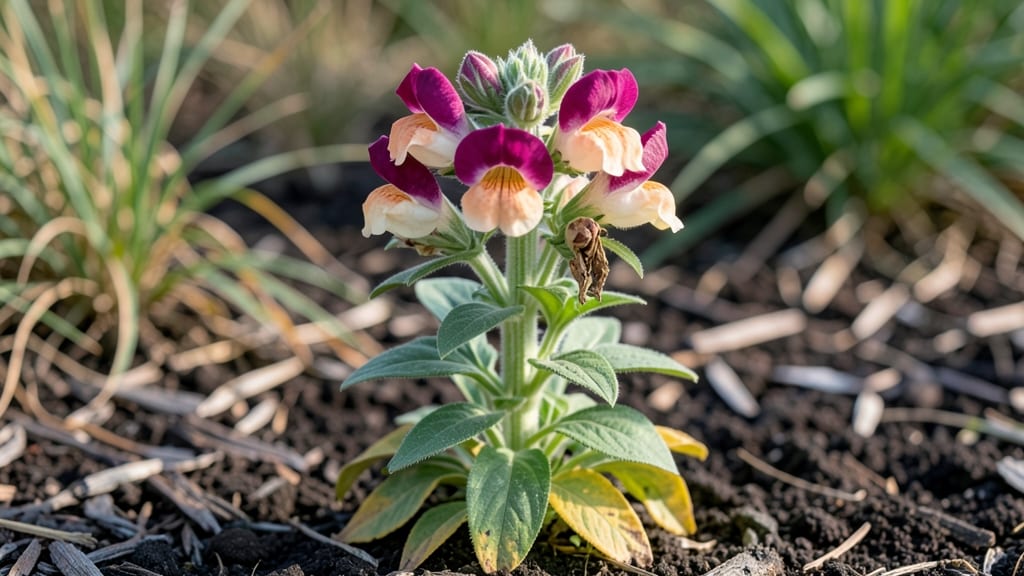
Snapdragons bloom in 60–100 days after planting, turning your garden into a vibrant canvas from early summer to fall 🌸 — but timing isn’t just about days, it’s about your climate zone.
If you’ve ever planted snapdragons only to be disappointed by sparse blooms—or worse, none at all—you’re not alone. The secret to vibrant, repeat-flowering snapdragons lies in understanding their bloom cycles and how your climate zone dictates when (and how often) they’ll reward you with color.
In USDA Zone 6a, where I garden, snapdragons planted in March typically burst into bloom by late June, with a second flush in September if you deadhead regularly.
But move to Zone 9, and those same seeds might flower in just 50 days—or bolt before you even see buds.
This guide breaks down exactly when to expect blooms in your area, how to nudge your snapdragons into flowering earlier, and the three key mistakes that rob them of their full potential. Let’s make sure your snapdragons don’t just bloom—they thrive.
Snapdragon bloom time by USDA hardiness zones: when to expect first flowers
Snapdragons (Antirrhinum spp.) are one of the most rewarding flowers for gardeners, offering 60–90 days of vibrant blooms when planted correctly. Their bloom windows vary dramatically by USDA hardiness zone, planting season, and variety type.
In cool climates (zones 3–6), early-spring planting yields summer blooms, while fall-planted varieties extend color into winter in mild zones (8–11).
Understanding these patterns helps you align planting with desired bloom periods. For example, in zone 5, spring-planted snapdragons typically flower by late June, while fall-planted varieties may bloom as early as September.
In warmer zones (7–11), you can even enjoy year-round blooms with staggered plantings. Let’s break down the exact bloom windows by zone and planting strategy.
🌱 Key Insight: Snapdragons are short-day plants, meaning they bloom more prolifically when daylight shortens—ideal for late summer/fall plantings in most regions. This explains why fall-planted varieties often outperform spring-planted ones in zones 7–11.
| USDA Zone | Spring Planting Bloom Window | Fall Planting Bloom Window | Cold-Hardy Varieties | Notes |
|---|---|---|---|---|
| 3–4 | Late July–September | N/A (too cold) | 'Black Prince', 'Rocket Mix' | Plant after last frost; use row covers. |
| 5–6 | Late June–August | September–October | 'Matrix', 'Tom Thumb' | Fall plantings need protection from early frosts. |
| 7–8 | May–July | August–November | 'Liberty Hybrid', 'Monarch' | Stagger plantings for continuous blooms. |
| 9–11 | April–June | July–December | 'Butterfly', 'Rocket' | Perennial types (e.g., 'Majesty') may rebloom. |
In zones 3–4, snapdragons are treated as annuals, but cold-hardy varieties like 'Black Prince' can survive light frosts. Plant seeds 4–6 weeks after your last frost date for late July blooms.
These zones have short growing seasons, so focus on dwarf varieties (12–18 inches tall) to avoid flopping in wind.
Gardeners in zones 5–6 have the most flexibility. Spring plantings yield summer blooms, while fall plantings (after August 1) extend color into October. Use row covers in early fall to protect tender varieties from 28°F frosts.
For continuous blooms, stagger plantings every 2–3 weeks from spring through early summer.
Pro Tip: In zones 7–8, snapdragons thrive as annuals or short-lived perennials. Plant in early spring for May–July blooms, then again in late summer for fall color. Varieties like 'Liberty Hybrid' are heat-tolerant and drought-resistant once established, making them ideal for long, hot summers.
For zones 9–11, snapdragons can bloom year-round with proper care. Plant in early spring for April–June blooms, then again in late summer for fall/winter displays. Perennial types like 'Majesty' may rebloom if deadheaded regularly. In coastal climates, snapdragons often self-seed, creating wildflower-like displays.
Adjust your planting timeline based on your zone’s first frost date. For example, in zone 8, plant spring snapdragons by March 15 for June blooms, while fall plantings should go in by August 1 to flower before December frosts.
Always choose disease-resistant varieties (e.g., 'Matrix') to avoid powdery mildew in humid zones.
To
How to extend snapdragon bloom time: pruning, deadheading, and seasonal tricks
Snapdragons (Antirrhinum) are known for their vibrant blooms, but their flowering can fade quickly if you don’t take action. The key to prolonged snapdragon bloom time lies in three simple techniques: deadheading, pruning, and seasonal adjustments.
These methods encourage your plants to produce more flowers instead of focusing energy on seed production. Let’s dive into how to keep your snapdragons blooming all season long!
First, understand that continuous-flowering varieties like 'Matrix' or 'Rocket' are bred to produce blooms consistently, while single-bloom varieties like 'Black Prince' may need extra care. The right approach depends on your snapdragon type and your climate zone.
For example, in USDA Zone 7 or warmer, you can often extend blooms into early fall with minimal effort.
Extend Snapdragon Bloom Time: Pros and Cons
Deadheading
- Pro: Encourages new blooms
- Con: Requires frequent attention
Pruning
- Pro: Promotes bushier growth
- Con: Can reduce immediate blooms
Seasonal Adjustments
- Pro: Extends blooms into fall
- Con: Limited to mild climates
Start with deadheading, which involves removing spent blooms as soon as they fade. This simple act tricks your snapdragons into producing new flowers instead of seeds. Use clean, sharp pruners or scissors to snip off the flower stems just above a set of leaves.
For continuous-flowering varieties, this can double your bloom time, while single-bloom types may still need extra care.
Next, prune your snapdragons to encourage bushier growth and more blooms. Pinch back the tips of young plants when they reach 6 inches tall to promote branching. Later in the season, trim back leggy stems to redirect energy toward new growth.
Avoid heavy pruning in late summer, as this can reduce fall blooms. Instead, focus on maintaining shape and removing only the most overgrown stems.
For seasonal adjustments, consider your climate. In mild winter zones (Zones 8–11), snapdragons can often overwinter with minimal care. Mulch heavily around the base to protect roots from frost, and water sparingly during dry spells.
In colder zones, treat snapdragons as annuals and replant in early spring for a fresh start. In USDA Zone 7, you might even get a second flush of blooms if you protect them from early frosts.
Finally, don’t overlook the power of balanced fertilization. Use a 5-10-10 NPK fertilizer every 4–6 weeks to support steady growth and blooming. Avoid high-nitrogen fertilizers, which encourage leafy growth at the expense of flowers.
Pair this with consistent morning watering to keep soil evenly moist but not soggy. These small adjustments can transform your snapdragons from short-lived bloomers to long-lasting stars of your garden!
With these techniques, your snapdragons will reward you with weeks of vibrant blooms instead of just a few. The key is consistency—deadhead regularly, prune thoughtfully, and adjust for your climate. Soon, your garden will be a riot of color from early summer to fall! 🌸