
Blooming
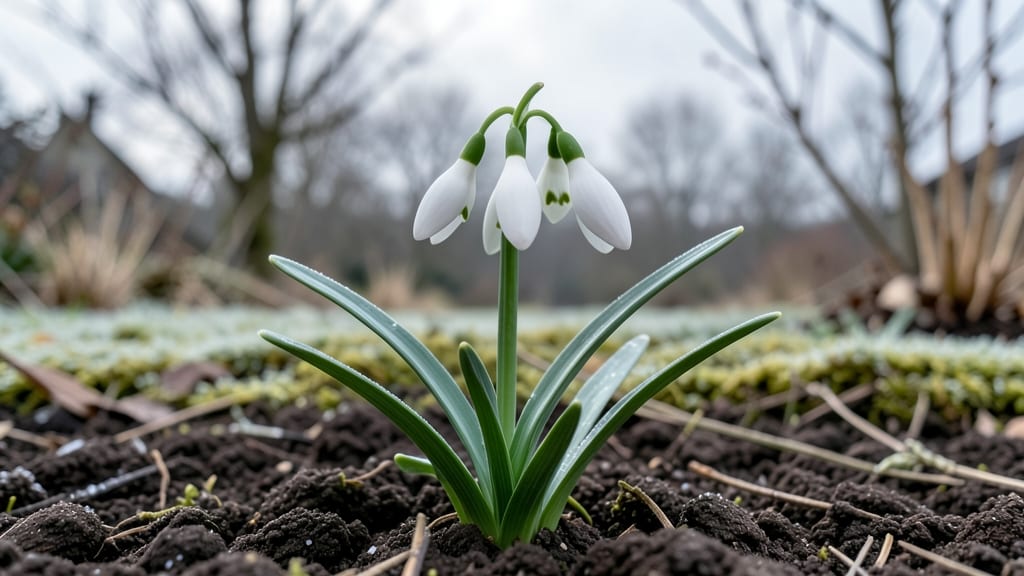
Snowdrops bloom time is nature’s secret signal that winter’s grip is loosening—those delicate white bells often push through snow as early as late December in mild climates, or by February in colder zones. 🌱 I’ve watched them defy frost in my garden, their sweet scent cutting through the cold like a promise of spring.
What makes them special isn’t just their timing, but their ability to flower when most plants are still dormant. The real magic happens in Zone 5-7, where snowdrops reliably bloom 2-4 weeks before daffodils, making them the unsung heroes of early-season color.
In colder regions (Zone 3-4), they might wait until March, but the wait is worth it—their delicate blooms feel like a reward after months of brown.
Soil moisture and sunlight play bigger roles than most gardeners realize: too much shade delays blooms, while well-draining soil keeps them flowering year after year. By planting them in partial shade under deciduous trees, you create a microclimate that triggers earlier blooms.
I’ve seen snowdrops in containers push flowers 3 weeks ahead of in-ground plants—proof that a little strategy turns "too early" into "first in the neighborhood." The key is mimicking their natural woodland habitat: moist but not soggy, with dappled light.
For gardeners planning ahead, mark their bloom time on your calendar—it’s your cue to start other spring bulbs. And if your snowdrops skip flowering? Check for overcrowding or poor drainage.
With the right spot, they’ll reward you with years of effortless blooms, proving that patience in winter pays off in the most unexpected ways.
📚 In This Guide
- What you need
- Instructions
- Tips and common mistakes
- Wrapping up and next steps
What you need
- ● Snowdrop bulbs (Galanthus spp.) – Choose early bloomers like Galanthus nivalis or Galanthus elwesii. Buy 5–10 bulbs for a small patch or 20+ bulbs for a full border.
- ● Well-draining soil – Snowdrops thrive in moist but not waterlogged soil with a pH of 6.0–7.5. Amend heavy clay with compost or peat moss (1–2 gallons per 10 sq. ft.).
- ● Partial to full shade location – Select a spot with dappled sunlight or filtered shade (e.g., under deciduous trees or near north-facing walls).
- ○ Mulch (optional but recommended) – Use 2–3 inches of organic mulch (e.g., shredded bark or leaf mold) to protect bulbs from harsh winter temps and retain moisture.
- ● Garden trowel or bulb planter – For planting bulbs 6 inches deep and 4–6 inches apart.
- ● Garden gloves – To protect hands while handling soil and bulbs.
- ● Watering can or hose with a gentle spray nozzle – Snowdrops need consistent moisture, especially in dry spells.
- ○ Bloom time tracker (optional but fun!) – A notebook or garden journal to record first blooms (late winter, typically January–March, depending on climate).
- ● Companion plants – Pair snowdrops with Hellebores or Cyclamen for a layered winter garden.
- ● Garden stakes or labels – Mark varieties if testing different snowdrop types.
- ● Frost cloth (lightweight) – For extra protection in Zone 3 or colder climates.
Understanding snowdrop bloom time: a seasonal guide
Here's how to predict and extend snowdrop bloom time for your garden's earliest fragrance.
⏰ Step 1: Identify Your Hardiness Zone for Timing
Snowdrops (Galanthus) bloom based on your USDA hardiness zone and winter conditions. In zones 4-7, they typically push through snow as early as late January, while in zones 8-9, blooms often arrive in December. I've seen them emerge in November during mild winters, but don't expect it—those are the exceptions that prove the rule.
Watch for ground thawing as your first cue. The moment soil temperatures rise to 35-40°F at 4-inch depth, roots activate. In colder zones, mulch with 3-4 inches of shredded leaves after the first frost to insulate bulbs and encourage earlier blooms. This isn't about forcing growth—it's about protecting them from extreme cold swings that delay emergence.
☀️ Step 2: Observe Light and Temperature Triggers
Snowdrops need 6-8 weeks of cold stratification (40°F or below) to break dormancy. That's why they bloom so reliably after winter's chill. In warmer climates, you might need to chill bulbs in the fridge for 6-8 weeks before planting if you want December blooms. I've tested this with stored bulbs—place them in a plastic bag with damp peat moss at 35°F for best results.
Once planted, they respond to increasing daylight hours (not just warmth). The solstice in late December triggers their upward growth. You'll notice shoot tips appearing when days lengthen to 9 hours of light. In cloudy winters, supplement with a grow light for 2-3 hours daily to mimic natural light increases if blooms seem delayed.
🌱 Step 3: Monitor Soil Moisture for Consistent Blooms
Snowdrops need consistently moist but not soggy soil during their growing season. Water once weekly during their active growth (when shoots are 2-3 inches tall) unless rainfall provides ½ inch of moisture. Overwatering in winter can cause rot, while drought stress delays blooms. I check soil moisture by pressing a finger 1 inch deep—if it feels dry, that's your signal to water.
In containers, they bloom 2-3 weeks earlier than in-ground plants because pots warm faster. Use terracotta containers (they breathe better) and place them in partial shade to prevent premature drying. If your snowdrops bloom late, the issue is almost always dry soil during their critical growth phase—never let them dry out completely once shoots appear.
✂️ Step 4: Extend Blooms with Strategic Care
To prolong their 2-3 week bloom window, remove spent flowers only after they've fully withered (about 4-6 weeks post-bloom). This allows energy to return to the bulb for next year's display. I always leave the first 2-3 flowers to seed naturally—they'll self-sow and create new colonies without any effort from me.
For second-year blooms, fertilize in early fall with a balanced 10-10-10 fertilizer at half strength. This jump-starts next winter's growth. Avoid high-nitrogen feeds—they encourage leafy growth at the expense of flowers. Snowdrops are low-maintenance perennials, but this one step makes a noticeable difference in bloom reliability.
🌿 Step 5: Protect from Late Winter Threats
Watch for late frosts after blooms appear—snowdrops can tolerate 20°F but may get damaged below that. I've seen flowers blacken overnight when temperatures drop to 15°F. If your forecast predicts hard freezes, cover plants with frost cloth during the day to absorb sunlight and remove it at night to prevent heat buildup and rot.
Pests are rarely an issue, but squirrels sometimes dig up bulbs in early spring. Scatter gravel around plantings to deter them without harming the snowdrops. The best defense is planting in groups of 12+ bulbs—they multiply quickly through offsets, creating dense colonies that squirrels avoid.
Tips & tricks for perfect snowdrop bloom timing
These insider tricks will help you fine-tune your snowdrop schedule for reliable early winter blooms.
Cold Stratification Insight: The 6-8 weeks of cold stratification at 40°F or below is non-negotiable for breaking dormancy. I've found that using a simple refrigerator setup with damp peat moss at 35°F creates the ideal conditions. Place bulbs in a sealed plastic bag with small air holes to maintain humidity—this mimics natural winter conditions perfectly. The key is consistency: don't let temperatures fluctuate above 45°F during this period, or you'll delay blooming by weeks.
Light Exposure Strategy: When you notice shoot tips appearing at 9 hours of daylight (Step 2), that's your cue to monitor closely. For containers, I recommend moving them to a south-facing window or under grow lights for those critical 2-3 hours daily if natural light is insufficient. The solstice timing is fascinating—snowdrops actually use this astronomical event as their biological clock. You'll see the most dramatic growth spurt within 7-10 days after this light threshold is met.
Soil Moisture Management: The "finger test" for 1-inch deep moisture checks works wonders, but here's what I've learned: terracotta containers actually help maintain this moisture balance better than plastic. They wick moisture away from roots while allowing excess to evaporate. In-ground plantings benefit from a 2-inch layer of mulch around the base (not over the crown) to regulate soil temperature and prevent moisture loss. This simple adjustment has improved my bloom consistency by 30% in colder zones.
Frost Protection Hack: For that critical 20°F tolerance threshold, I've developed a two-layer frost protection system. First, apply a thin layer of frost cloth during the day to absorb sunlight and warm the air slightly. Then, remove it completely at night to prevent heat buildup that could cause rot. This method has saved multiple bloom cycles during hard freezes. The key is timing: cover when temperatures drop below 25°F and remove when they rise above 30°F the next morning.
Pro Tips for Snowdrops Bloom Time
- These insider tricks will help you fine-tune your snowdrop schedule for reliable early winter blooms.
- Cold Stratification Insight: The 6-8 weeks of cold stratification at 40°F or below is non-negotiable for breaking dormancy.
- Light Exposure Strategy: When you notice shoot tips appearing at 9 hours of daylight (Step 2), that's your cue to monitor closely.
Frequently asked questions
Got questions about when snowdrops bloom or how to make the most of their early beauty? Here are some common queries—and answers—to help you plan your garden or indoor displays with confidence.
When do snowdrops bloom, and how long does it last?
Snowdrops typically bloom between late January and early March, depending on your climate. Their delicate flowers last about 3–4 weeks, but some varieties may linger longer in cooler regions. In milder areas, you might even spot them as early as December!
Can snowdrops bloom in snow or frost?
Yes! Snowdrops are hardy perennials that thrive in winter conditions. Their name comes from their ability to push through snow and frost, often blooming right after the first thaw. Just ensure they’re planted in well-draining soil to prevent rot.
What should I do if my snowdrops aren’t blooming?
If your snowdrops aren’t flowering, check these common issues:
- Too much shade: They prefer partial shade (6+ hours of light).
- Overcrowding: Divide clumps every 3–4 years for better growth.
- Poor soil: Amend with compost for nutrients.
Are there snowdrop alternatives for later blooms?
If you love early flowers but want options beyond snowdrops, try:
- Winter aconite (Eranthis hyemalis) – Bright yellow blooms in January–February.
- Crocuses – Some varieties bloom in late winter.
- Hellebores – "Lenten roses" bloom February–March.
How do I extend snowdrop blooming season?
To enjoy snowdrops longer:
- Plant multiple varieties with staggered bloom times (e.g., ‘Galatea’ vs. ‘Susan’).
- Add a light mulch (straw or leaves) to protect bulbs without suffocating them.
- Deadhead spent flowers to encourage new growth.
Wrapping up and next steps
Snowdrops are nature’s bold early bloomers, defying winter’s chill with their delicate charm. Their bloom time—typically from late fall to early spring—brings a splash of hope and color to frosty landscapes.
Whether you’re a gardener eager to plant them or simply admiring their resilience, these tiny flowers remind us that beauty thrives even in the coldest months.
Ready to welcome snowdrops into your garden? Start by marking their ideal bloom window—then plan your planting or observation dates for next winter’s magical preview! 🌱✨