
Blooming
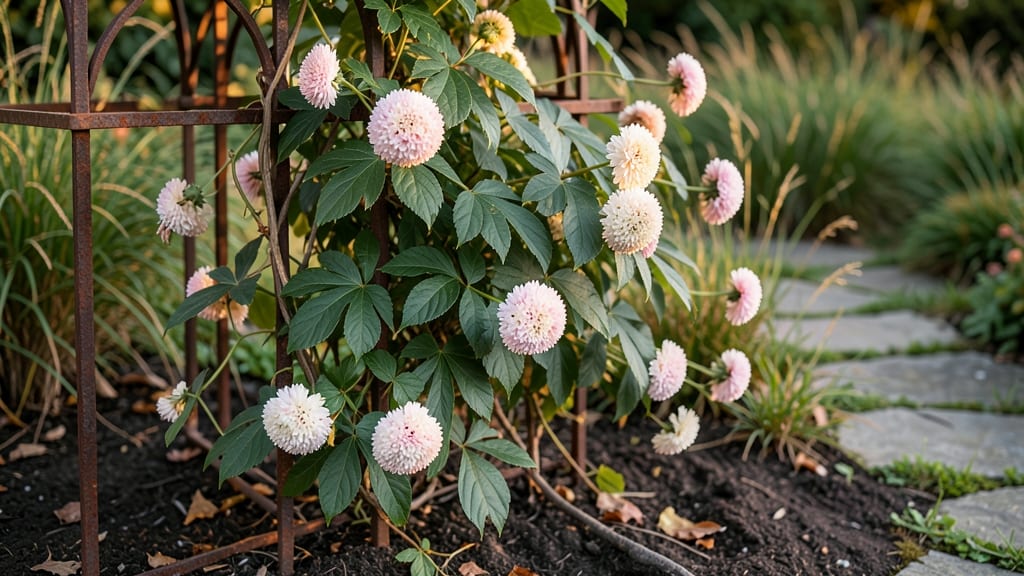
The Sweet Autumn Clematis bloom time is a late-summer spectacle of fragrant, star-shaped flowers 🌸 that transforms any garden into a fragrant haven.
If you’ve ever waited eagerly for those sweet-scented clusters to appear—only to be met with stubborn silence—you’re not alone. This vine’s timing can feel like a mystery, but with the right care, you can extend its bloom season and even coax a second flush of flowers.
From USDA Zone 6a to warmer regions, the typical bloom window spans late August through October, but pruning, sunlight, and fertilizer play a huge role in when (and how long) those blooms last.
Below, I’ll break down the exact bloom triggers, zone-specific timing, and pro tips to keep your clematis in full, fragrant bloom—plus how to prep it for winter so it’s ready to shine again next year.
Sweet Autumn Clematis bloom time by USDA zone: when to expect fragrant clusters
Sweet Autumn Clematis (Clematis terniflora) is famous for its late-season fragrance, but its bloom timing varies dramatically across USDA zones 4-9. Understanding these differences helps you anticipate when to enjoy those intoxicating clusters of white flowers.
In cooler zones, blooms often start earlier due to shorter growing seasons, while warmer zones may see extended flowering into November.
Climate triggers like heat accumulation and day length play key roles. Sweet Autumn Clematis typically blooms on old wood, meaning flowers form on stems from the previous year. This makes pruning timing critical—cut too early, and you risk missing the show.
Let’s break down what to expect in your zone and how to maximize your vine’s fragrance potential.
🌿 Key Takeaway: Most vines bloom from late August to October, but regional variations can shift this window by 2-4 weeks. Warmer zones (8-9) often enjoy longer bloom periods, while cooler zones (4-5) may see shorter but more intense fragrance bursts.
In USDA zones 4-5, Sweet Autumn Clematis typically kicks off its fragrance festival in late August, peaking in mid-September. The shorter growing season means flowers appear earlier to take advantage of remaining warmth.
If you’re in zone 4, expect blooms to taper off by early October unless you’re in a microclimate with delayed frost.
Zones 6-7 offer the sweet spot for most gardeners, with blooms stretching from mid-August to mid-October. This extended window makes it easier to plan garden parties or enjoy evening fragrance.
In these zones, vines often produce a second, smaller flush in late October if conditions stay mild. This is your chance to experiment with light pruning to encourage reblooming.
Gardeners in zones 8-9 are in for a treat—Sweet Autumn Clematis can bloom from early August through November, sometimes even into December in frost-free areas. The longer growing season allows for multiple flushes, and some varieties may even produce spring blooms if not pruned aggressively.
This makes zones 8-9 ideal for year-round fragrance planning.
Regional variations also play a role. For example, Pacific Northwest vines in zone 7 may bloom 2 weeks earlier than those in Midwest zone 7 due to cooler coastal climates.
Similarly, Southern California zone 9 vines often bloom 3-4 weeks later than those in Georgia zone 8 because of heat accumulation differences.
Heat accumulation is the number of growing degree days a plant experiences. Sweet Autumn Clematis needs about 1,200-1,500 growing degree days (base 50°F) to trigger blooming.
In cooler zones, this threshold is reached earlier in the season, while warmer zones may take longer. Day length also matters—shorter days in fall signal the vine to bloom, which is why you’ll see earlier blooms in northern latitudes.
To extend your clematis’s bloom time, focus on three key factors: pruning, fertilizing, and watering. Avoid heavy pruning in late summer, as this can remove next year’s flower buds.
Instead, opt for light deadheading to encourage additional blooms. Apply a balanced fertilizer in early summer to support flower production, and keep the soil consistently moist but not waterlogged.
If your vine skips blooming entirely, it may be due to over-pruning or poor sunlight. Sweet Autumn Clematis needs full sun (6+ hours daily) to produce abundant flowers.
In shadier spots, blooms will be sparser and less fragrant. Consider relocating your vine or providing artificial light if your garden lacks sufficient sun.
🌸 Final Thought: Sweet Autumn Clematis rewards patience with its intoxicating fragrance. By understanding your zone’s bloom window and adjusting care accordingly, you can enjoy months of fragrant clusters.
Whether you’re in zone 4’s brief burst or zone 9’s extended show, this vine delivers magic—just don’t prune too early!
How to trigger reblooms: pruning, fertilizing, and care secrets for year-round flowers
Sweet Autumn Clematis typically delivers its signature fragrant blooms in late summer, but with the right care, you can coax reblooming into fall—or even next spring. The key lies in understanding pruning timing, nutrient triggers, and seasonal adjustments tailored to your climate zone.
Unlike spring-blooming clematis, this variety thrives on late-season care to extend its show.
Start by mastering pruning techniques—cutting back spent blooms in early fall can signal the vine to produce new flower buds. Pair this with phosphorus-rich fertilizer (like a 5-10-10 blend) applied in early summer to fuel blooming energy. Even mulching with compost can boost reblooming by retaining moisture and nutrients.
⚠️ callout warning
- Over-pruning: Cutting back too early (before buds form) or too late (after frost) can eliminate reblooming entirely.
- Wrong fertilizer timing: Applying high-nitrogen fertilizer after June 1 shifts energy to foliage, not flowers.
- Skipping deadheading: Letting spent blooms seed can deplete the vine’s energy for future flowers.
- Neglecting water: Drought stress in summer can halt bud formation for fall blooms.
For pruning reblooming clematis, focus on selective cuts after the first flush of flowers. Remove only dead or weak stems—never more than 1/3 of the vine—to preserve next year’s blooms. Use clean, sharp shears to make cuts just above a leaf node, which encourages new growth.
Fertilizer timing is critical: Apply a balanced 5-10-10 blend in early spring (after pruning) and again in early summer to promote blooming. Switch to an organic boost, like bone meal or compost tea, in late summer to extend fall blooms.
Avoid fall fertilization, as it can stimulate tender growth vulnerable to frost.
Watering and mulching work hand-in-hand to maintain vine vigor. Deep water once weekly during active growth (spring/summer) and reduce to bi-weekly in fall. Apply 2-3 inches of mulch around the base to retain moisture and regulate soil temperature.
This dual approach keeps roots cool and hydrated, even in hot climates.
Deadheading is your secret weapon for repeat blooms. As flowers fade, snip stems back to the nearest healthy leaf to redirect energy into new buds. For maximum fragrance, prioritize deadheading in morning hours when blooms are freshest.
Pair this with regular pruning every 4-6 weeks to maintain an open, airy structure that encourages light penetration—critical for bud formation.