
Blooming
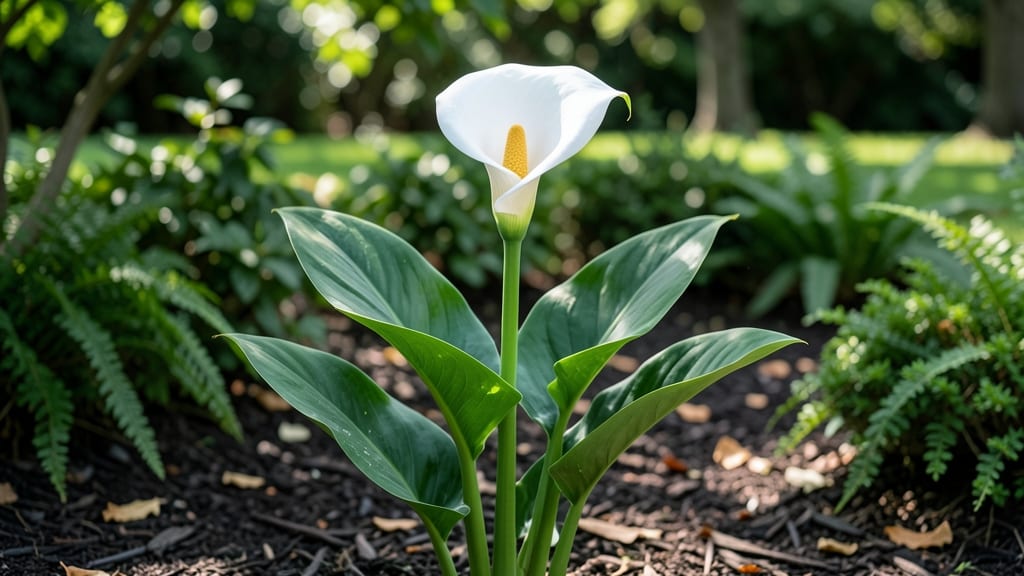
Those velvety purple spikes rising from the soil always feel like nature’s secret message—the calla lilies are in bloom again, and this year, they’re back with the same dramatic flair. 💜 I’ve learned the hard way that their annual return after frost isn’t luck; it’s a reward for the right balance of patience and care during their dormant months.
What makes them special isn’t just the striking blooms—it’s how they time their show. Calla lilies wait until the soil warms to 65°F before sending up those signature spikes, which means your garden gets a late-summer surprise when most flowers are fading.
The key to keeping them blooming reliably? Consistent moisture (but never soggy soil) and a spot with morning sun and afternoon shade—they’ll thank you with thicker stems and longer-lasting blooms.
Once those spikes appear, you’ll want to extend the show as long as possible. Snip spent blooms at the base to encourage new ones, and avoid over-fertilizing—rich soil leads to lush foliage but fewer flowers.
With the right care, your callas will keep producing those dramatic blooms for 6-8 weeks, turning your garden into a purple-hued masterpiece.
Here’s the best part: they’ll come back year after year if you protect their rhizomes from freezing. Mulch heavily in fall, and you’ll get another round of those heat-triggered spikes next summer—no replanting required. It’s the kind of plant that makes gardening feel like magic.
📚 In This Guide
- What you need
- Instructions
- Tips and common mistakes
- Wrapping up and next steps
What you need
- ● Calla lily tubers: 3–5 healthy, firm tubers (size: 2–3 inches in diameter). Pro tip: Choose tubers with visible "eyes" (growth nodes) for faster sprouting! 💡
- ● Well-draining potting mix: 1–2 cubic feet (or a 10-inch pot per tuber). Mix 50% peat moss or coconut coir with 50% perlite or coarse sand for aeration.
- ○ Container or garden bed: Containers: 10–12-inch pots with drainage holes (1 per tuber). Optional: Self-watering pots for low-maintenance care. 💧
- ● Garden beds: Full sun to partial shade (4+ hours of sunlight daily). Amend soil with compost for fertility.
- ● Slow-release fertilizer: 1 tbsp balanced 10-10-10 or organic compost per pot/planting hole.
- ● Mulch: 1–2 inches of straw or shredded bark to retain moisture and regulate soil temp.
- ● Garden trowel or shovel (for planting).
- ● Spray bottle or watering can with room-temperature water (avoid cold water!).
- ● Pruning shears (to trim dead foliage before replanting).
- ○ Thermometer (optional): To monitor soil temps—callas thrive when soil reaches 60–65°F! 🌡️
- ○ Heat mat (optional): For early indoor sprouting (set to 70–75°F).
How to encourage yearly calla lily blooms after frost
Here’s how I coax those dramatic purple spikes back every season—no guesswork, just proven timing and care.
🌱 Step 1: Wait for the Right Time to Dig and Divide
After the first hard frost blackens the foliage, calla lilies enter dormancy. Wait 2-3 weeks until the ground feels frozen or the leaves have completely collapsed. This ensures the rhizomes have stored enough energy for next year’s blooms.
Use a garden fork to gently loosen the soil around the clumps. Lift the rhizomes carefully—do not wash off soil—as the roots are delicate. Break apart the clumps into sections with 3-5 healthy buds each. Discard any rhizomes that are soft, mushy, or shriveled. I always keep the largest, most vigorous pieces to guarantee strong regrowth.
☀️ Step 2: Store Rhizomes in a Cool, Dry Place
Place the rhizomes in a paper bag (not plastic) with a light dusting of dry sand or perlite to prevent rot. Store them in a cool, dark spot—like a garage or basement—where temperatures stay between 40-50°F. Check them monthly for signs of mold or soft spots, which mean they’re rotting.
This dormancy period mimics their natural winter cycle. If stored too warm, the rhizomes may sprout prematurely and weaken. If too cold (below 35°F), they risk freezing damage. Think of it like hibernation: they need the rest to bloom spectacularly in spring.
💧 Step 3: Plant Rhizomes in Early Spring
Wait until 2-3 weeks before your last frost date to replant. Choose a spot with partial shade (morning sun, afternoon shade works best) and well-draining soil. Amend heavy clay with 2-3 inches of compost to improve drainage—calla lilies hate soggy roots. Dig a hole 2 inches deep and place the rhizomes horizontally, with the buds facing upward. Space them 12-18 inches apart for mature plants.
Cover the rhizomes with 1 inch of soil and water lightly to settle it. Avoid deep planting—this encourages rot. If your area has heavy winter rains, add a 2-inch layer of mulch to protect them from waterlogging. The key is patience: don’t rush planting until the soil warms to at least 60°F.
✂️ Step 4: Feed and Protect for Maximum Blooms
Once new shoots appear (usually 4-6 weeks after planting), apply a balanced, slow-release fertilizer (10-10-10) around the base. Feed again when the foliage reaches 6 inches tall. Calla lilies are heavy feeders, but too much nitrogen leads to lush leaves and few blooms—so follow package rates precisely.
Stake the flower spikes if your variety grows tall (like ‘Black Star’ or ‘Pink Fantasy’). A simple bamboo stake or small hoop keeps them upright and prevents snapping in wind or rain. Deadhead spent blooms by cutting the entire stem back to the base—this redirects energy to next year’s spikes instead of seed production.
⏰ Step 5: Prepare for Next Year’s Blooms in Fall
When foliage yellows in late summer or early fall, cut it back to ground level but leave the rhizomes in the ground. This mimics their natural cycle and prevents shock from early dormancy. Water deeply once a month during dry spells to keep the rhizomes hydrated but not waterlogged.
Here’s the thing—don’t dig them up every year unless you notice overcrowding. Mature calla lilies thrive with 3-4 years in one spot. The more established they are, the more dramatic those purple spikes become. Mark their location with stakes so you don’t accidentally disturb them during fall cleanup.
Tips & tricks for perfect yearly calla lily blooms
These simple strategies will help you coax those stunning purple spikes back every season without the guesswork.
Timing is Everything: The 2-3 week wait after frost is non-negotiable—this ensures rhizomes have stored enough energy for next year's blooms. I've learned the hard way that digging too early means weak regrowth. Look for completely collapsed leaves and frozen ground before lifting. This patience pays off with bigger, more dramatic blooms next season.
Storage Secrets: That 40-50°F range for storage isn't just arbitrary—it mimics the natural dormancy period. I've had rhizomes sprout prematurely when stored too warm (above 55°F), and they never recovered. Use a paper bag with sand or perlite to prevent moisture buildup, which causes rot. Check monthly for any soft spots—this is your early warning system.
Soil Matters More Than You Think: The 2-inch planting depth and 1-inch soil coverage aren't random measurements. Calla lilies hate soggy roots, so amend heavy clay with 2-3 inches of compost to improve drainage. If your area gets heavy winter rains, that 2-inch mulch layer becomes critical—it's the difference between thriving plants and rotten rhizomes. I've seen calla lilies in poorly drained soil produce only leaves, never blooms.
Fertilizer Timing Tip: Those 4-6 weeks until first feeding and 6-inch foliage height aren't just suggestions—they're crucial for balancing growth and blooms. Too much nitrogen too early results in leafy monsters with no flowers. I use a 10-10-10 balanced fertilizer because it gives equal attention to all plant needs without favoring leaf growth over blooms. The second feeding at 6 inches ensures the plant has enough energy to produce those dramatic purple spikes.
Pro Tips for The Calla Lilies Are In Bloom Again
- These simple strategies will help you coax those stunning purple spikes back every season without the guesswork.
- Timing is Everything: The 2-3 week wait after frost is non-negotiable—this ensures rhizomes have stored enough energy for next year's blooms.
- Storage Secrets: That 40-50°F range for storage isn't just arbitrary—it mimics the natural dormancy period.
Frequently asked questions
Got questions about those stunning purple calla lilies blooming after frost? You’re not alone! Here are answers to the most common queries—because every gardener deserves a little clarity (and maybe a few blooms of their own).
Why do calla lilies bloom again after frost?
Calla lilies (especially Zantedeschia aethiopica or Z. elliottiana) are heat-triggered—their purple spikes appear when soil temps rise to 60–65°F (15–18°C) after winter dormancy. Frost signals them to rest, and warmth wakes them up for a second (or third!) show. Think of it as nature’s way of rewarding patience!
When will they bloom again this year?
Timing depends on your climate, but most calla lilies bloom 6–8 weeks after soil warms consistently. In warmer zones (USDA 8–10), expect spikes by late spring/early summer. In colder areas, wait until May–June. Check your local frost dates—blooms usually follow 2–3 weeks later.
Can I force them to bloom earlier?
While you can’t trick them into blooming sooner, you can optimize conditions:
- Plant in full sun to partial shade (6+ hours of light).
- Use well-draining soil (amend with compost or perlite).
- Avoid over-fertilizing—too much nitrogen = more leaves, fewer blooms.
- Water at the base (not leaves) to prevent rot.
What if my calla lilies aren’t blooming at all?
No purple spikes? Don’t panic—try these fixes:
- Check sunlight: Shady spots = fewer blooms. Move to brighter light.
- Adjust fertilizer: Switch to a low-nitrogen, high-phosphorus blend (like 5-10-10) to encourage flowers.
- Divide clumps: Overcrowded tubers? Dig up and split them every 3–4 years.
- Winter care: In cold climates, protect tubers with mulch or dig them up for indoor storage.
Are there purple calla lily alternatives for my garden?
Love the drama but want variety? Try these purple-hued blooms** that thrive in similar conditions:
Pro tip: Pair callas with dusty miller or silver foliage for a high-contrast, magazine-worthy look!
Wrapping up and next steps
As the frost fades and warmth returns, those stunning purple calla lilies make their grand comeback—proof that nature’s beauty thrives on patience and the right conditions. 🌸 Whether you’re admiring their majestic blooms or eager to coax them into your own garden, remember: a little care (like proper soil and frost protection) goes a long way.
Now’s the perfect time to plant, prune, or simply soak in their drama—so grab your gardening gloves and let these heat-triggered stars shine for you again!
💡 Next step: Mark your calendar for late spring/early summer—when those iconic spikes will rise once more—and start prepping your garden (or wishlist!) today.