
Blooming
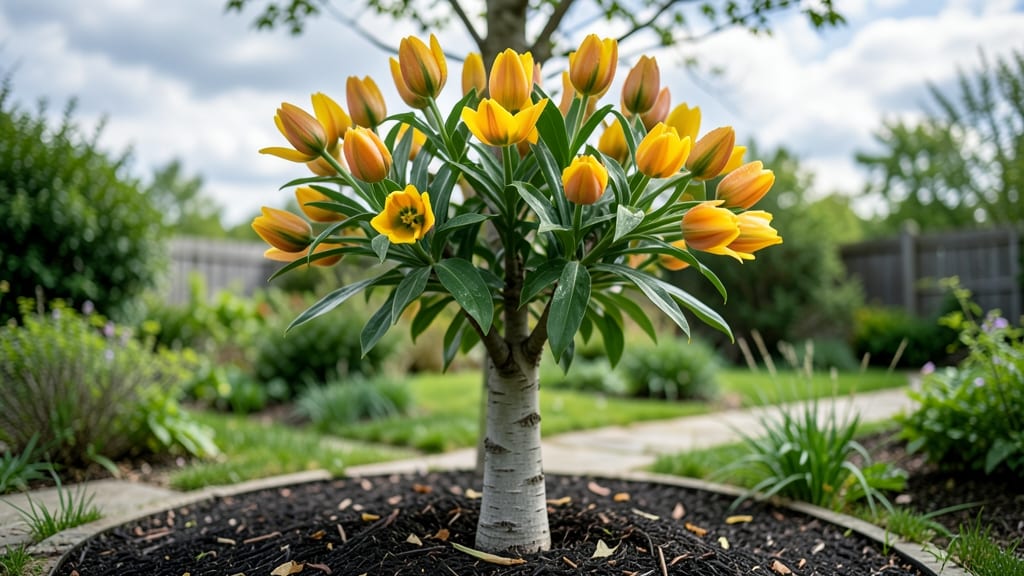
Tulip poplar bloom time depends on your region, but most trees burst into their signature yellow-green flowers between late spring and early summer 🌳 — typically May through June in USDA Zone 6a.
If you’ve ever admired the tulip poplar’s stunning blooms or wondered why your tree isn’t flowering, timing is everything. This fast-growing giant has a very specific bloom window that shifts dramatically depending on where you live.
In cooler climates like the Pacific Northwest, blooms often arrive earlier, while southern regions may see delayed flowering due to heat stress. Understanding these patterns helps you anticipate the show—and troubleshoot if your tree skips its floral display.
Below, I’ll break down exact bloom windows by zone, factors that influence timing, and seasonal care tips to encourage vibrant blooms year after year.
Tulip poplar bloom time by USDA hardiness zones (exact months)
The tulip poplar (Liriodendron tulipifera) puts on a spectacular show with its cup-shaped yellow-green flowers, but timing is everything. Unlike many trees, its bloom window shifts dramatically based on USDA hardiness zones, latitude, and regional microclimates.
In colder zones, blooms arrive earlier to capitalize on short summers, while warmer climates may see delayed or extended flowering. Understanding these patterns helps you plan garden visits or time companion plantings for maximum impact.
Most tulip poplars bloom for 4-6 weeks during late spring to early summer, but the exact timing varies by 1-2 months across the U.S. For example, trees in Zone 3 (like Minnesota) may flower in late May to June, while those in Zone 8 (like Florida) often bloom from March to April.
This shift occurs because chilling hours and daylength triggers influence when buds open.
Here’s what you need to know about bloom windows by zone, including regional exceptions like the Pacific Northwest’s cooler summers or the Deep South’s unpredictable frost patterns:
| USDA Zone | Typical Bloom Window | Early Bloomers (Exceptions) | Late Bloomers (Exceptions) |
|---|---|---|---|
| Zone 3 (e.g., Detroit, Minneapolis) | Late May – Early June | Early May (sheltered urban areas) | Mid-June (cooler summers) |
| Zone 4 (e.g., Chicago, Buffalo) | Early to Mid-May | Late April (mild winters) | Late May (late frosts) |
| Zone 5 (e.g., Boston, Denver) | Mid-May – Early June | Early May (southern Zone 5) | June (northern Zone 5) |
| Zone 6 (e.g., Washington D.C., St. Louis) | Late April – Early May | March (Deep South edges) | June (Appalachian highlands) |
| Zone 7 (e.g., Atlanta, Dallas) | March – April | February (sheltered microclimates) | May (late frosts) |
| Zone 8 (e.g., Orlando, Houston) | February – March | January (coastal areas) | April (inland heat delays) |
*Bloom times shift 1-2 weeks earlier in urban heat islands or 1-2 weeks later in high-elevation areas.
The Pacific Northwest (e.g., Seattle, Portland) often sees tulip poplars bloom 2-3 weeks later than the table suggests due to cooler, wetter summers.
In contrast, the Deep South (e.g., New Orleans, Savannah) may experience earlier blooms in sheltered microclimates, like near buildings or in urban gardens where heat traps extend the growing season.
Latitude plays a critical role in bloom timing because daylength acts as a secondary trigger alongside temperature. Trees in northern zones (3-5) rely on longer daylight hours to break dormancy, while those in southern zones (6-8) may bloom earlier when warmer temperatures override daylength cues.
This is why a Zone 6 tulip poplar in Atlanta might flower in March, while one in Pittsburgh waits until May.
If you’re in a transition zone (e.g., Zone 6b vs. 7a), pay attention to last frost dates and soil temperatures. Tulip poplars typically need consistent 60°F+ soil temps to flower reliably.
In areas with late frosts (like the Midwest), buds may form but drop if temperatures dip below 32°F after they’ve opened.
Pro tip: Young tulip poplars (under 10 years old) often skip flowering entirely, focusing energy on trunk growth instead. Mature trees (20+ years) produce the most abundant blooms, but even they may bloom less heavily in drought years or after poor pruning.
To encourage flowers, prune in late winter to remove dead wood and shape the canopy for better light penetration.
For gardeners in Zone 4-6, timing companion plantings is key. Pair tulip poplar blooms with spring ephemerals like trilliums or bloodroot, which fade as the poplar’s flowers peak. In Zones 7-8, extend the display with summer-blooming perennials like black-eyed Susans or cone flowers, which
Why your tulip poplar might not be blooming (and how to fix it)
Tulip poplars are famous for their showy yellow-green blooms that appear in late spring, but many gardeners wait years—or even decades—without seeing them. The truth? Young trees often skip flowering entirely for 10+ years while they focus on root and trunk growth.
Even mature trees can struggle due to common care mistakes that disrupt their blooming cycle.
If your tulip poplar isn’t blooming, don’t panic. The issue might be as simple as soil pH imbalances or poor pruning timing. These trees thrive in slightly acidic soil (pH 6.0–7.0) and need strategic pruning to encourage flower production.
Let’s diagnose the problem and get your tree back on track.
⚠️ Common Mistake Alert!
Pruning at the wrong time is the #1 reason tulip poplars skip blooms. These trees set flower buds in late summer to early fall—pruning then removes next year’s blooms! Wait until late winter or early spring (just before buds swell) to prune without sacrificing flowers.
Another red flag? Climate stress from extreme heat, drought, or urban pollution can delay—or even prevent—flowering. Tulip poplars are adaptable but need consistent moisture, especially during their first 3 years.
If your tree is in a dry, urban area, deep watering once a week (10–15 gallons) can make all the difference.
Don’t overlook soil fertility. These trees prefer well-draining, nutrient-rich soil with a balanced fertilizer (10-10-10) applied in early spring. Over-fertilizing with nitrogen can lead to lush foliage but fewer flowers.
A soil test ($20 at garden centers) reveals if your pH or nutrient levels are off—aim for 6.0–7.0 pH for optimal blooming.
Here’s a quick diagnostic checklist to troubleshoot your tulip poplar: ☑️ Is your tree 10+ years old? (Young trees often skip blooms.) ☑️ Did you prune after July?
(This removes next year’s flower buds.) ☑️ Is your soil dry or compacted? (Improve drainage with compost.) ☑️ Has your tree faced extreme stress (drought, pollution, or pests)?
If your tulip poplar checks all the boxes but still isn’t blooming, consider light exposure. While they tolerate partial shade, full sun (6+ hours daily) encourages more abundant flowers.
If your tree is in deep shade, try thinning nearby branches or relocating it to a sunnier spot—just be patient, as moving mature trees is tricky.
With the right care, your tulip poplar will reward you with stunning spring blooms for decades. Start with soil testing, adjust your pruning schedule, and keep an eye on moisture levels. Before you know it, you’ll be the envy of the neighborhood with a flowering giant in your yard! 🌳