
Blooming
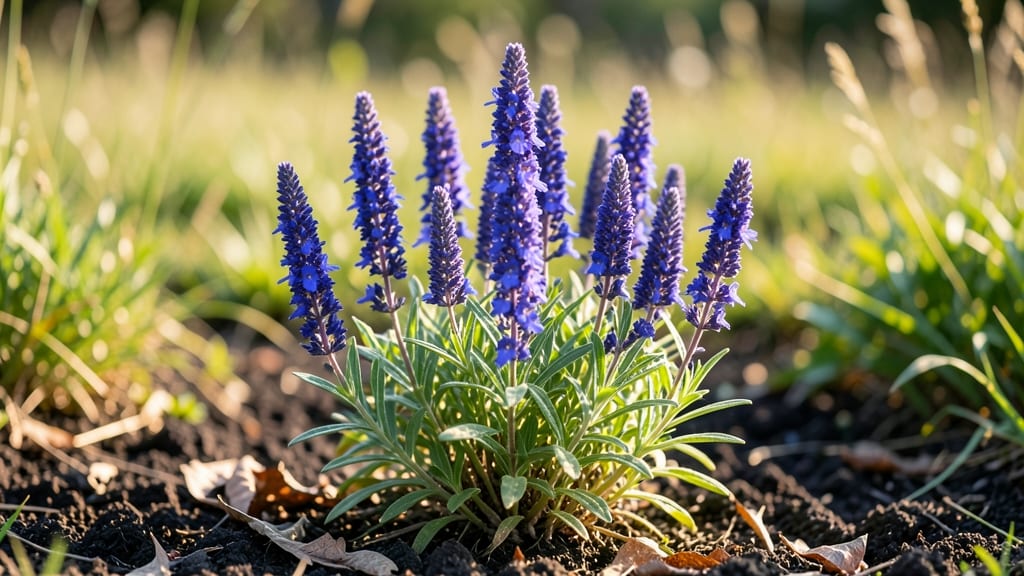
Veronica blooms in late spring to early summer 🌸, but the exact timing depends on your variety and climate—getting it right means those purple spikes last all season.
Picture this: you’ve waited months for those vibrant Veronica flowers to appear, only to see them fade too soon. The secret? Pruning at the right moment after the first flush of blooms can extend your display by weeks.
Whether you’re growing Veronica spicata or Veronica longifolia, knowing when to trim—and when to leave them alone—is the difference between a brief burst of color and a garden that stays stunning through July.
Here’s how to time your pruning for the longest, most dramatic blooms—and avoid the common mistakes that cut your Veronica’s show short.
Veronica bloom time by variety: when to expect purple spikes
If you're dreaming of those vibrant purple spikes that make Veronica a garden star, timing is everything. Different Veronica varieties bloom at different times, and your USDA zone plays a big role in when those showy flower spikes appear.
Whether you're growing Veronica spicata (speedwell), Veronica longifolia (longleaf speedwell), or Veronica incana (woolly speedwell), knowing their bloom windows helps you plan for maximum impact.
Most Veronica varieties thrive in USDA zones 3-10, but cooler climates (zones 3-5) will see blooms slightly later in the season. In warmer zones (7-10), you might even get extended flowering into early fall.
Let’s break down when each variety typically blooms and how to adjust expectations based on where you garden.
| Variety | Typical Bloom Time (USDA Zones 3-5) | Typical Bloom Time (USDA Zones 6-10) | Notes |
|---|---|---|---|
| Veronica spicata (Speedwell) | Late May to early July | Early June to August | Early bloomer; great for spring color. |
| Veronica longifolia (Longleaf Speedwell) | Early June to late July | Late May to September | Taller variety; mid-season bloomer with long spikes. |
| Veronica incana (Woolly Speedwell) | June to early August | May to October | Late bloomer; silvery foliage adds texture. |
| Veronica 'Sunny Border Blue' | Late May to June | Early June to July | Compact variety for borders; early bloom. |
| Veronica 'Red Fox' | June to August | May to September | Reddish-purple blooms; mid-to-late season. |
For gardeners in USDA zones 3-5, Veronica typically blooms later due to cooler temperatures. If you’re in zone 4 or 5, expect your Veronica spicata to start flowering around late May, with peak blooms in June and early July.
In zone 3, you might see blooms push back even further, sometimes starting in June instead of May.
Warmer climates (zones 7-10) give Veronica a longer show, often extending blooms into early fall. In zone 8 or 9, you can enjoy Veronica longifolia flowering from late May through September, while Veronica incana might keep going until October in ideal conditions.
This extended season is one reason Veronica is such a popular choice for long-blooming borders.
Light exposure also tweaks bloom timing. Veronica planted in full sun (6+ hours daily) will bloom earlier and more prolifically than those in partial shade. If your garden gets only 4-5 hours of sun, expect blooms to start 2-3 weeks later and may be less abundant.
For the best results, place Veronica in a south-facing spot where it gets morning sun and afternoon shade in hotter zones.
Soil conditions matter too. Veronica prefers well-draining, slightly alkaline soil (pH 6.5-7.5). If your soil is heavy clay or acidic, blooms may arrive later or be less vibrant. Amending the soil with compost or lime before planting can help ensure timely and vibrant purple spikes.
If you’re growing Veronica as an annual (common in cooler zones), plant seeds indoors 6-8 weeks before your last frost date to give them time to establish and bloom on schedule. For perennial varieties, divide clumps every 3-4 years to rejuvenate growth and encourage earlier and longer blooming.
Pro tip: Use mulch around the base of your Veronica plants to regulate soil temperature. In cooler zones, mulch helps warm the soil faster in spring, encouraging earlier blooms. In hotter zones, it keeps roots cool and extends the flowering season.
With the right variety and care, your Veronica can become a reliable bloomer from late spring to early fall. Plan your garden layout around these bloom times to create a sequential color show—pair early bloomers like 'Sunny Border Blue' with mid-season varieties like
When and how to prune Veronica for maximum purple bloom duration
Your Veronica plants produce those vibrant purple spikes that gardeners adore—but only if you prune at the right time. The key to extending your Veronica bloom time lies in strategic pruning after the first flush of flowers.
I’ve learned through years of gardening that skipping this step means shorter, less abundant blooms. Let’s dive into the exact techniques to keep your Veronica flowering for weeks longer.
Most Veronica varieties like Veronica spicata and Veronica longifolia bloom in late spring to early summer. The initial flowering phase typically lasts about 4-6 weeks, but with proper pruning, you can coax another 4-8 weeks of blooms.
The secret? Pruning right after the first wave of flowers fades but before the stems become woody.
⚠️ WARNING: Pruning Too Early or Too Late Can Shorten Bloom Time
Pruning before the first bloom cycle completes (around June for most regions) removes potential flower buds, cutting your bloom time short. Conversely, waiting until after the stems harden in late summer reduces next year’s blooms. The ideal window is 2-4 weeks after the first flowers fade—usually late June to early July in USDA zones 5-8.
Visual Cue: Look for 50% of the stems to have spent blooms (brown or wilting flowers) before pruning. This signals the plant is ready for a light trim to encourage new growth.
Start by using clean, sharp pruners to cut back one-third of the plant’s height, focusing on the oldest stems. This encourages new lateral branches that will produce fresh flower spikes.
For Veronica spicata, which has upright growth, trim just above a leaf node to promote bushier growth. Always wear gardening gloves to protect your hands from the plant’s slightly prickly stems.
Deadheading spent blooms throughout the summer season is another game-changer. Simply pinch off faded flower spikes with your fingers or snips to redirect the plant’s energy into producing new blooms instead of seeds.
I’ve seen Veronica plants rebloom within 3-4 weeks of consistent deadheading. This method works especially well for Veronica incana, which often produces longer second blooms with regular maintenance.
As fall approaches (around September-October), shift your focus to seasonal cleanup. Cut back all stems to 2-3 inches above the ground to prepare for next year’s growth. This late-season prune prevents winter dieback and ensures a stronger root system for spring.
Mulch around the base with 2-3 inches of organic mulch to protect roots from freezing temperatures.
With these pruning techniques, your Veronica plants can bloom from late spring through early fall, giving you continuous color in your garden beds. The key is timing—prune after the first bloom, deadhead regularly, and clean up in fall.
Your purple spikes will thank you with longer, more abundant blooms every season! 🌸