
Flowers
Late winter gardens can still burst with color when you choose the right hardy perennials. These ten frost-resistant flowers defy seasonal norms, offering vibrant blooms that brighten chilly landscapes and attract early pollinators.
Snowdrops Galanthus Nivalis
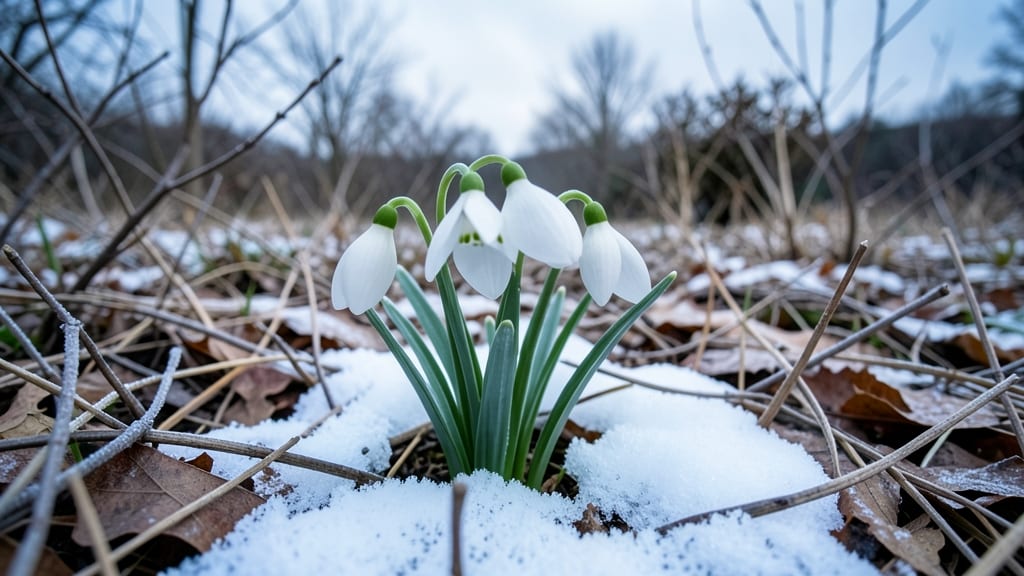
When your garden still looks like a winter landscape, **snowdrops (Galanthus nivalis)** arrive like tiny white messengers of spring. These delicate blooms push through snow and even light frost, emerging in late winter when most gardens are still dormant. Their ability to thrive in deep shade makes them perfect for under trees, along fences, or in those tricky spots where nothing else grows.
Plant snowdrops in well-draining soil enriched with compost, and they’ll naturalize beautifully over time. A single bulb can multiply into dozens, creating a carpet of blooms by spring. They’re also deer-resistant, making them a low-maintenance choice for problem areas. Plus, their early nectar supports bees and other pollinators when food is scarce.
Perfect for woodland gardeners, shade lovers, and anyone who wants to beat winter blues, snowdrops are the ultimate early-season hero. 🌱
Winter Aconite Eranthis Hyemalis
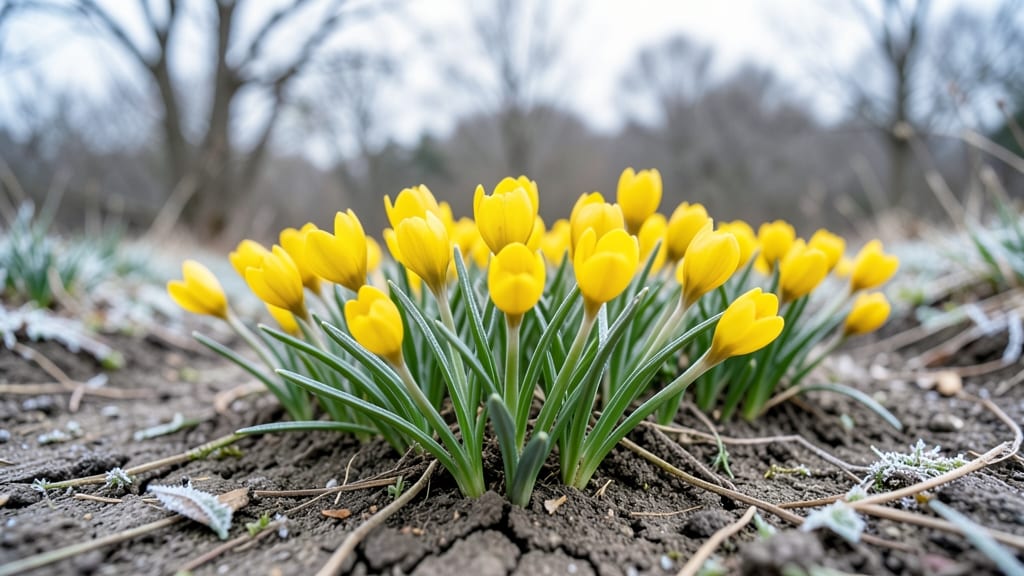
When your garden feels like it's taking a long winter nap, winter aconite (Eranthis hyemalis) wakes up with a burst of sunshine-yellow cheer. These tiny, cup-shaped blooms push through bare soil as early as January or February, creating a stunning contrast against winter's muted tones.
Plant them in full sun to partial shade where they’ll thrive in well-draining soil—perfect for sunny borders, rock gardens, or even containers. Their toxic foliage deters deer, and they multiply happily over time, forming cheerful colonies. Just be sure to deadhead spent blooms to encourage more flowers.
This low-maintenance beauty is ideal for gardeners who want instant winter color without fuss. Perfect for container gardens or sunny spots where you crave a pop of brightness. ✨
Crocus Vernus Dutchmaster
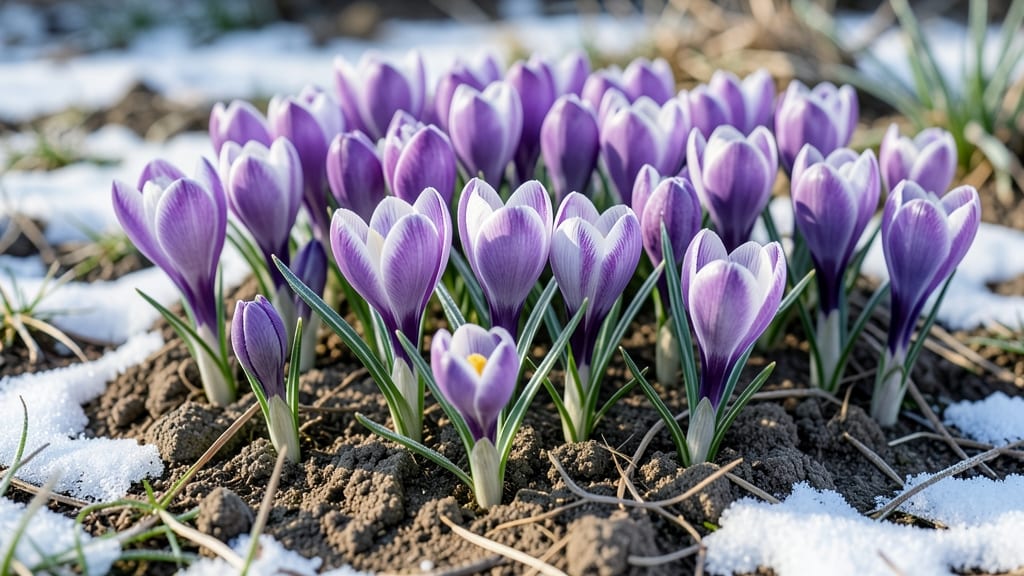
When you crave color in your garden before spring officially arrives, Crocus Vernus Dutchmaster delivers a stunning purple-and-white punch that emerges even through light snow. These hardy bulbs are nature's way of signaling that winter's grip is loosening, while also providing a crucial food source for early bees when few other flowers are available.
Plant these bulbs in full sun to partial shade in well-draining soil, and they'll naturalize beautifully in lawns or meadows with minimal care. For best results, plant bulbs 3-4 inches deep in fall, and you'll see blooms appear as early as February. The drought-tolerant nature of Dutchmaster crocuses makes them ideal for low-maintenance pollinator gardens.
Urban gardeners and eco-conscious landscapers will love how these crocuses thrive in tight spaces and provide year-round interest with their grass-like foliage after blooming. 🌻
Hellebore Lenten Rose
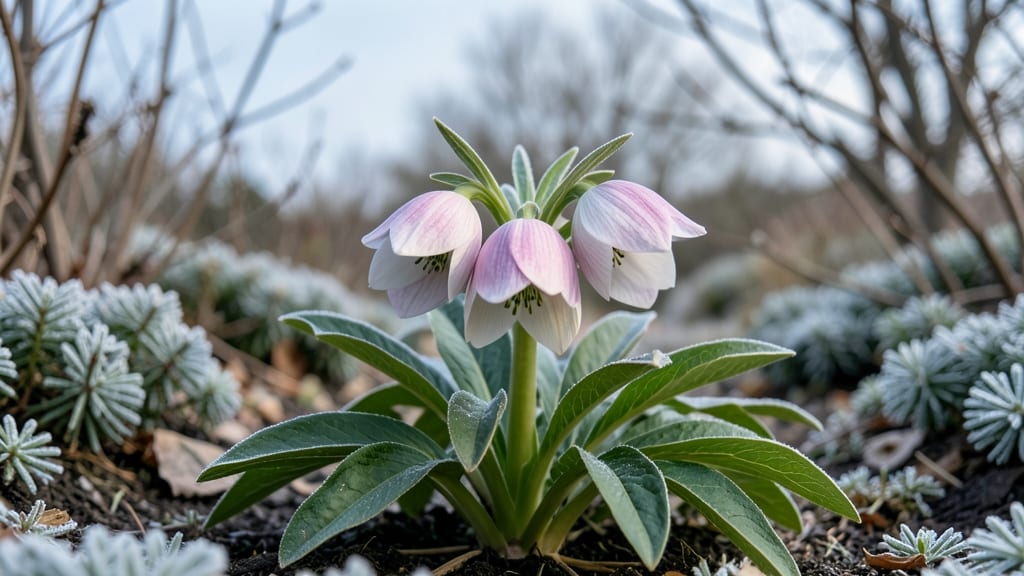
When your garden feels dormant under winter’s gray skies, the Hellebore Lenten Rose (Helleborus orientalis) steps in as a bold understudy, offering pink or white nodding blooms that defy the season’s chill. Unlike spring ephemerals that vanish quickly, this evergreen perennial delivers months of interest—from late winter through spring—with its glossy foliage and delicate flowers that hummingbirds adore.
This shade-loving star thrives in partial to full shade, tolerating everything from rocky soil to woodland gardens. Plant it where other perennials struggle, like beneath trees or along north-facing walls. A little morning sun enhances flower production, but it won’t complain if you forget to water—its deep roots make it drought-tolerant once established. For extra drama, pair it with ferns or cyclamen to create a lush, low-maintenance woodland corner.
Perfect for gardeners who crave year-round structure without fuss, hellebores reward patience with their long bloom season and deer-resistant foliage. Even urban gardeners with shady patios can grow them in containers—just ensure good drainage. 💚
Dwarf Iris Iris Histrioides
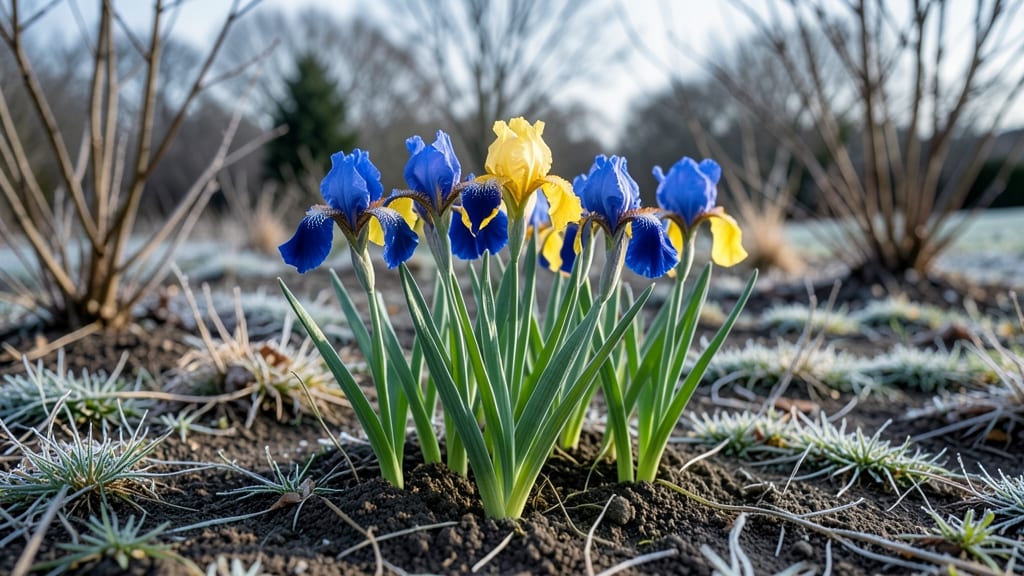
When you crave color before most gardens even think about waking up, dwarf iris (Iris histrioides) delivers a cheerful punch with its blue or yellow blooms that appear as early as February in many climates. These miniature irises are like tiny garden superheroes—packing big personality into compact plants that thrive where larger flowers might struggle.
Perfect for rock gardens or containers, these irises love well-draining soil and full sun to partial shade, making them ideal for urban balconies or alpine-style beds. Their delicate, iris-shaped flowers (typically 1-2 inches wide) stand out against gray winter landscapes, and they multiply over time, creating naturalizing clusters. Unlike their taller cousins, these stay under 12 inches tall, making them perfect for edging or mixed containers.
Gardeners with limited space or rocky soil will love how low-maintenance these are—just deadhead spent blooms to encourage more flowers. Their early blooms also provide crucial nectar for early pollinators like bees. 🌻
Bleeding Heart Dicentra Spectabilis
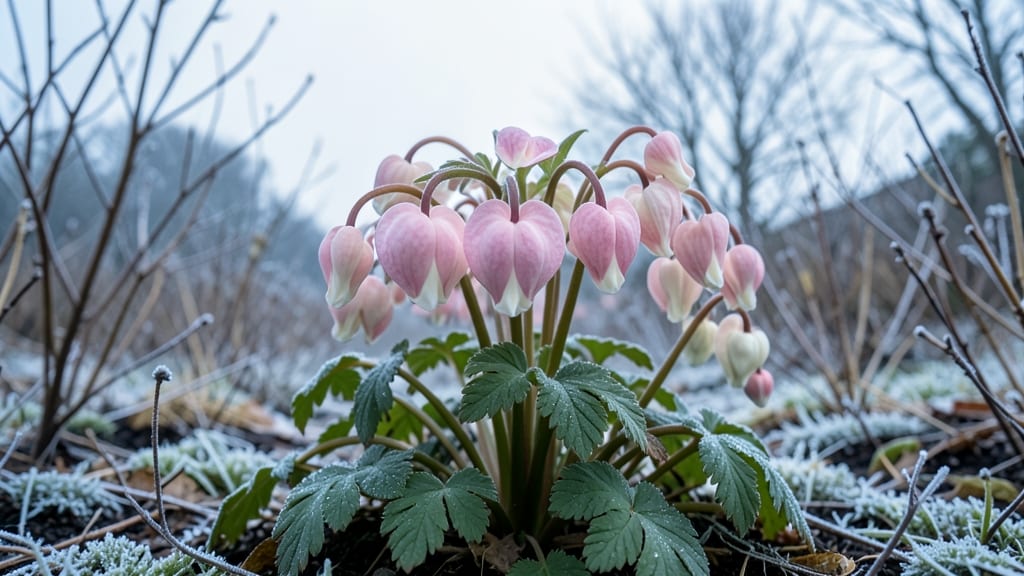
When most of your garden is still dormant under frost, bleeding heart (Dicentra spectabilis) bursts onto the scene with its delicate, heart-shaped blooms in soft pink or white. This shade-loving perennial is one of the first to wake up in late winter, often appearing in March or early April before many other perennials even think about blooming.
Unlike sun-loving spring flowers, bleeding heart thrives in moist, shady spots where few other perennials survive winter—think woodland edges or under deciduous trees. Its fern-like foliage adds texture year-round, and the flowers arch gracefully on 2-foot stems, creating a romantic, cottage-garden feel. For best results, plant in well-draining, humus-rich soil and water consistently to keep the roots moist.
This is the perfect choice for gardeners with shady borders or those looking to extend their spring color palette. Its early bloom time makes it a standout for pollinators like early bees and butterflies, too. 🌷
Primrose Primula Vulgaris
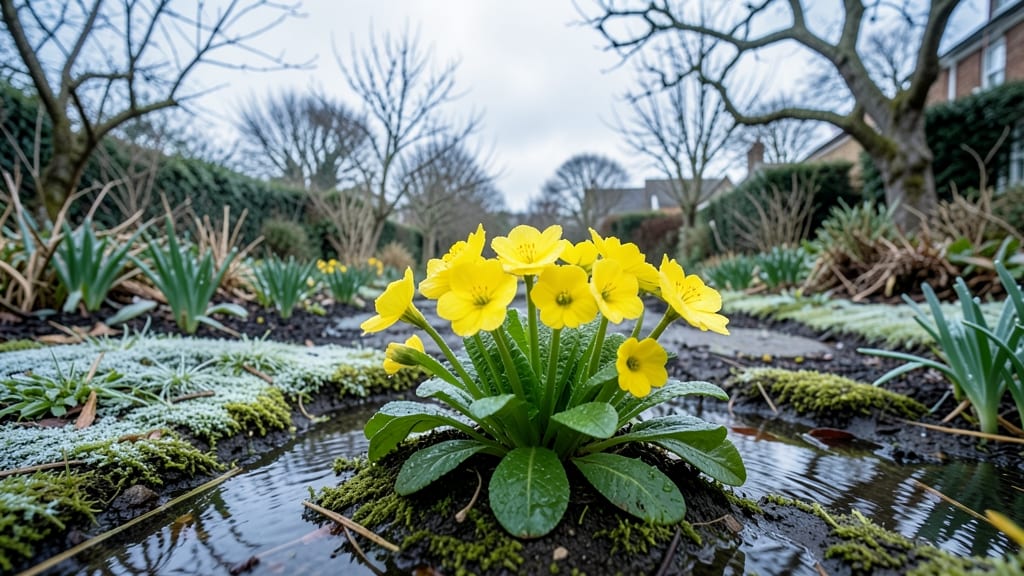
When your garden feels like it’s still in hibernation, primroses step in to prove that late winter can be vibrant. These cheerful bright yellow blooms thrive in damp, cool conditions, making them perfect for cottage gardens, rain gardens, or even damp corners where other plants struggle.
Plant Primula vulgaris in partial to full shade with consistently moist (but not soggy) soil. They’ll reward you with blooms from late winter through early spring, often lasting longer in cooler climates. Deadhead spent flowers to encourage more blooms, and divide clumps every few years to keep them vigorous.
Primroses are especially great for gardeners in Pacific Northwest or British-style gardens where moisture is abundant. Their early blooms also attract bees, giving pollinators a much-needed food source when little else is in flower. 🌷
Lungwort Pulmonaria Officinalis
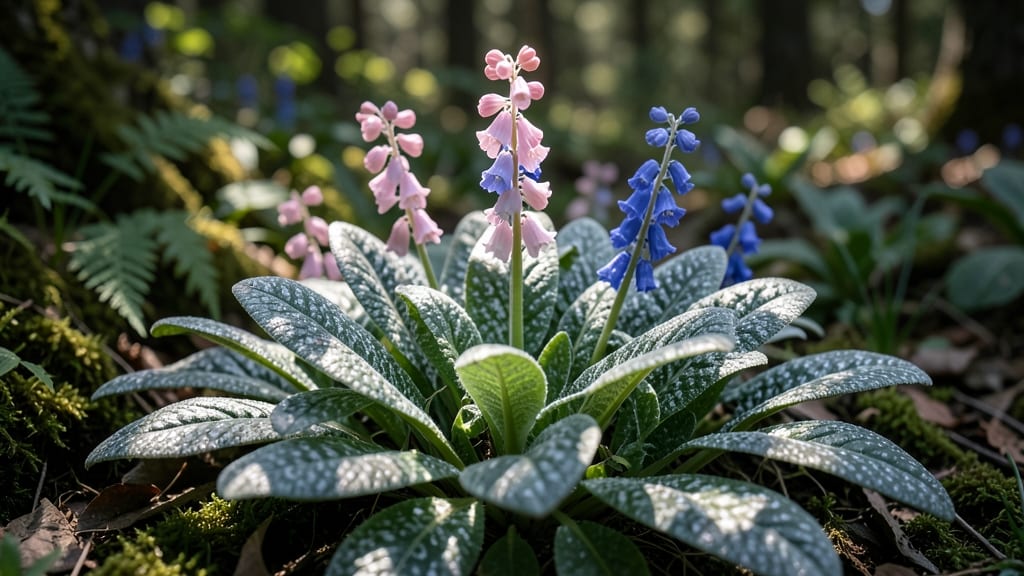
If your shade garden feels dull in late winter, lungwort (Pulmonaria officinalis) brings a striking contrast with its silver-spotted foliage and delicate pink or blue flowers. This hardy perennial thrives where others struggle, offering both texture and color when most plants are still dormant.
Plant lungwort in partial to full shade, where its mottled leaves stand out against darker foliage. The flowers appear in late winter to early spring, attracting early pollinators like bees. It’s also drought-tolerant once established, making it low-maintenance for busy gardeners.
Perfect for woodland gardens, pollinator-friendly landscapes, or as an understory plant, lungwort adds year-round interest with its evergreen-like foliage. 💚
Cyclamen Neapolitanum
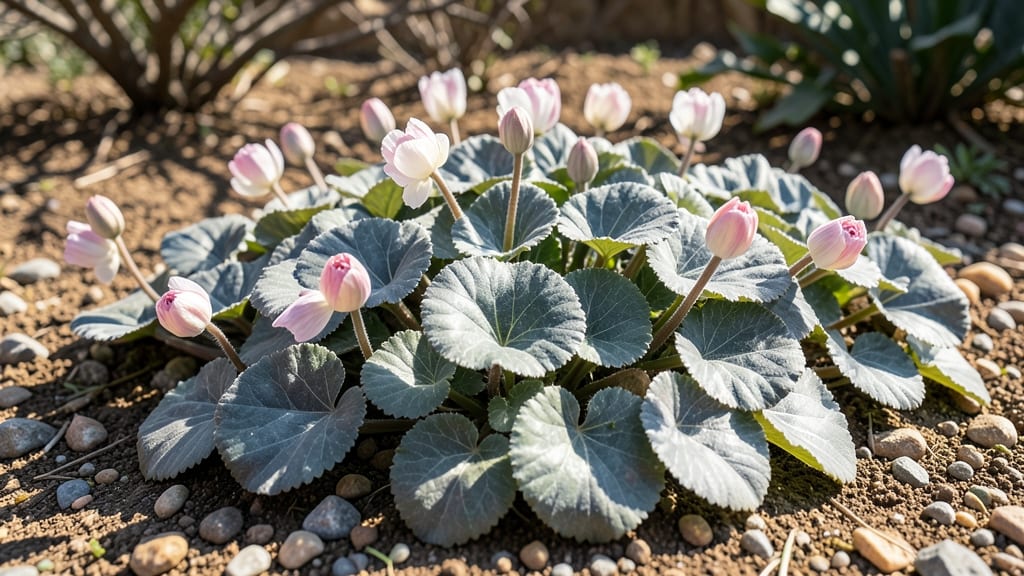
If you love the look of Mediterranean gardens but struggle with dry shade spots, Cyclamen Neapolitanum delivers both beauty and resilience. This hardy perennial thrives in conditions where many plants fail, producing striking silver-marked leaves and delicate pink or white flowers that bloom reliably from late winter into spring.
Unlike its moisture-loving cousins, this variety excels in dry shade, making it perfect for tucked-away corners, rock crevices, or understory plantings. Simply plant the tubers in well-draining soil and water sparingly—overwatering is the only mistake to avoid. The flowers appear above the foliage, creating a charming contrast that lasts for weeks.
Gardeners creating Mediterranean-style landscapes or dealing with challenging shade conditions will find this cyclamen a game-changer. Its drought tolerance and early blooms make it a standout for late winter color. 🌷
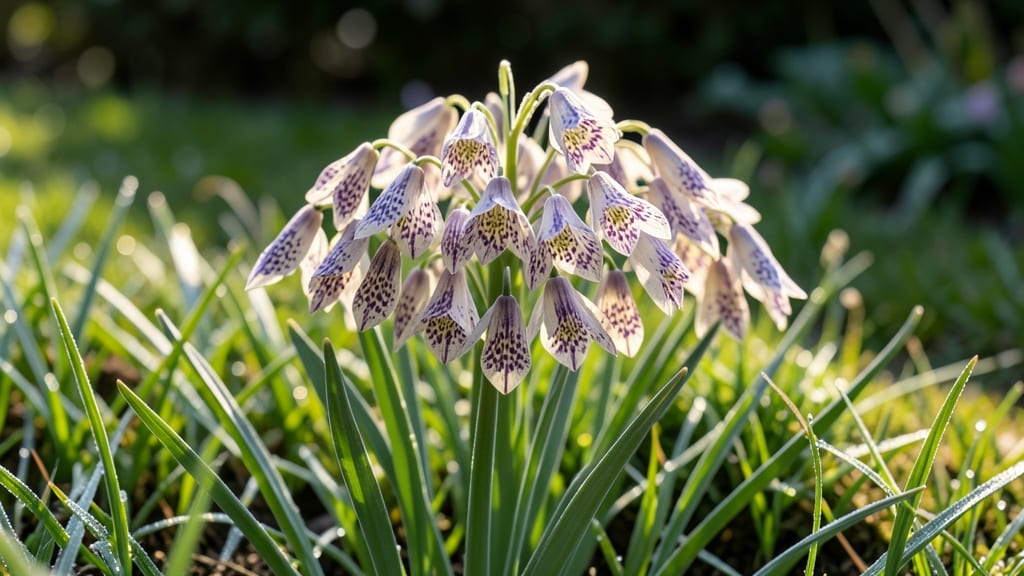
Fritillary Fritillaria Meleagris

If you dream of a cottage garden bursting with whimsical charm, Fritillary (Fritillaria meleagris) is your secret weapon. These enchanting blooms appear in early spring, their checkered white and purple petals creating a striking contrast against fresh green grass—like nature’s own stained glass.
Thriving in moist, well-drained soil and partial shade, fritillaries are low-maintenance but high-reward plants. They reliably self-seed, spreading naturally in meadows or woodland edges, and their delicate blooms attract early pollinators. For best results, plant bulbs in fall and avoid disturbing their roots once established.
This is the perfect flower for gardeners who love effortless beauty—ideal for cottage-style beds, naturalized areas, or even container gardens. Once planted, they’ll reward you with years of springtime magic. ✨