
Blooming
March signals the arrival of early spring blooms that bring vibrant color to gardens. These 10 hardy flowers thrive in cool temperatures, offering perfect solutions for containers, borders, and early-season pollinators.
Daffodils Cheerful Yellow Beauty
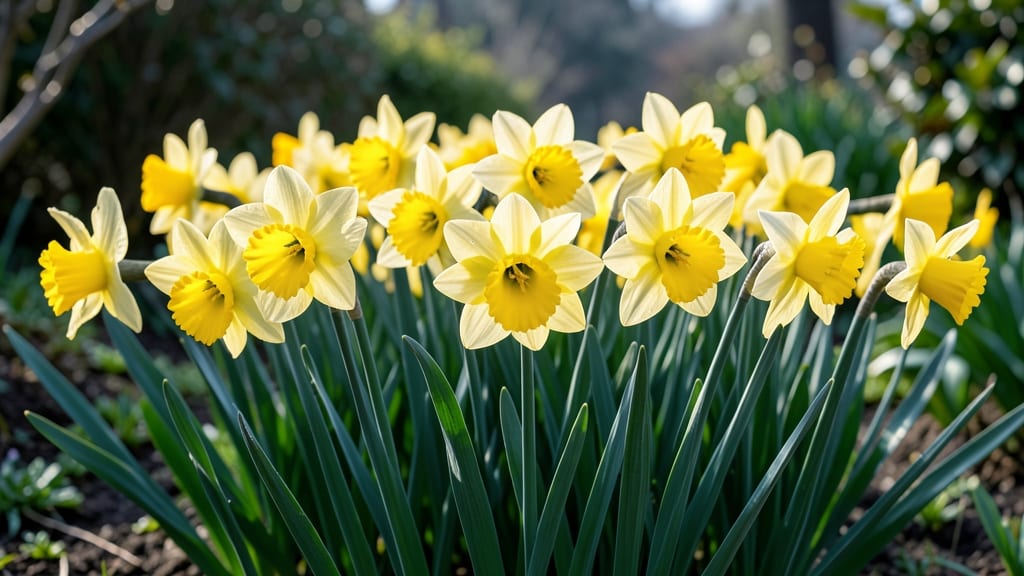
When March arrives, few flowers scream "new beginnings" quite like daffodils, with their cheerful yellow blooms that brighten even the dreariest days. These iconic spring stars thrive in full sun or partial shade, making them versatile for forcing indoors or planting in borders where they'll return year after year.
Plant bulbs in fall for March blooms that last 2-3 weeks, and opt for varieties like 'Tête-à-Tête' for compact containers or 'Ice Follies' for pure white elegance. Daffodils are deer-resistant and toxic to pets, so they're ideal for problem-free gardens. Their early blooms also provide vital nectar for bees emerging from winter.
Perfect for gardeners who want low-maintenance beauty, daffodils multiply over time and naturalize beautifully in lawns or woodland edges. 🌻
Crocus Purple and White Clusters
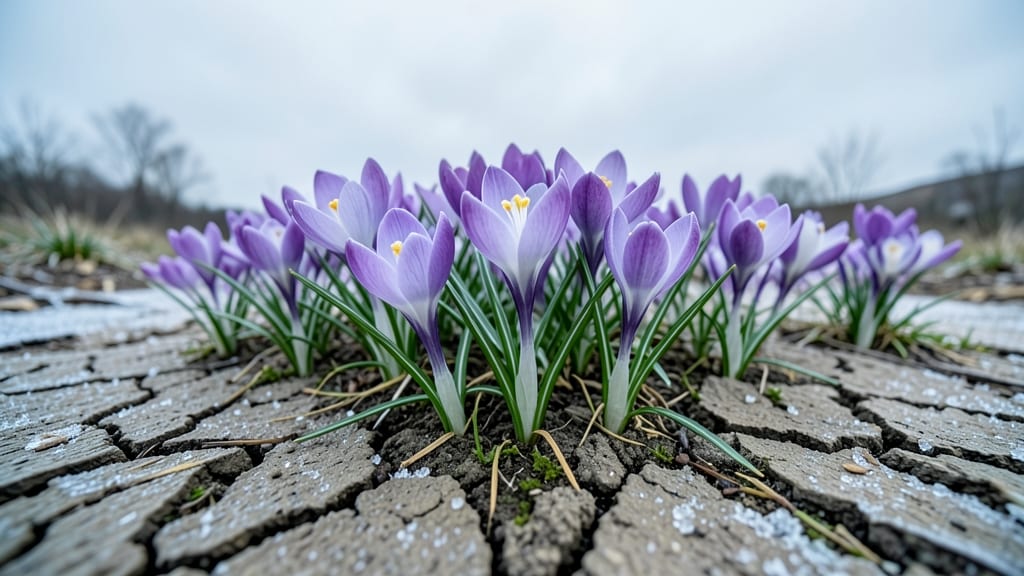
When you spot those first purple and white crocus clusters pushing through frozen ground in March, you know spring is truly arriving. These cheerful bloomers are nature’s way of announcing the season’s renewal with minimal fuss—perfect for gardeners eager to add color without heavy maintenance.
Crocus thrives in rock gardens, containers, or even naturalized lawns, making them ideal for small spaces or urban balconies. Plant the corms in fall (4-6 inches deep) for early blooms, and enjoy their drought-tolerant nature once established. A single cluster can brighten a corner for weeks, often returning year after year with almost no care.
Urban gardeners and beginners will love how crocus outshines other early bloomers with its hardiness and adaptability. Just add them to your spring lineup for instant charm! 🌱
Pansies Cool-Weather Color Mix
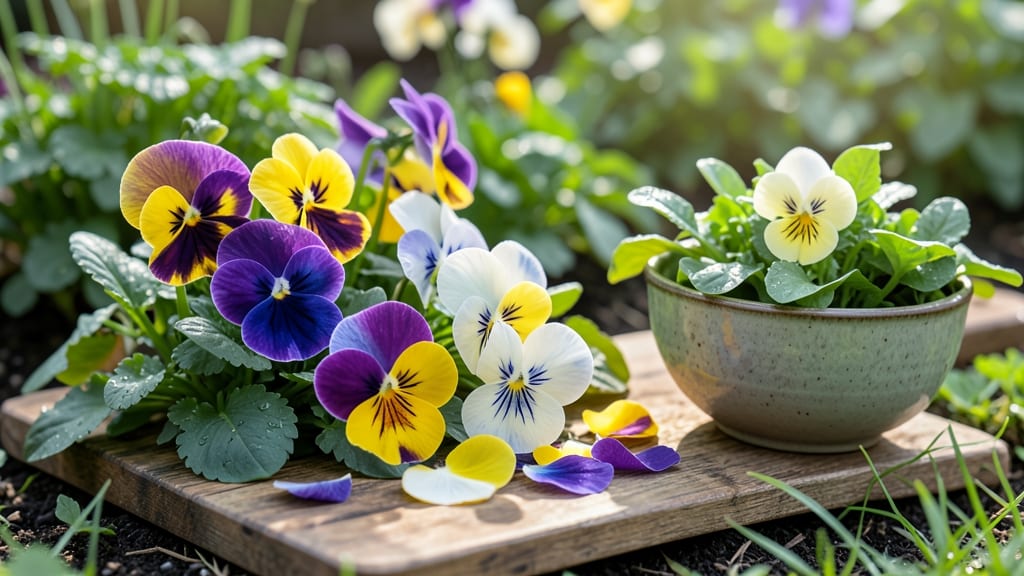
Looking for a way to add edible color to your March garden while enjoying low-maintenance blooms? Pansies are the answer—these cheerful flowers not only thrive in cool temperatures but also double as a culinary delight for salads and garnishes.
Available in a rainbow of colors, pansies tolerate light frosts and even perform well in partial shade, making them ideal for containers, window boxes, or borders. Simply snip the petals for a vibrant salad topping or let them brighten your garden beds. Their year-round availability in nurseries means you can plant them anytime in early spring.
Perfect for urban gardeners, beginners, or anyone craving instant color, pansies offer both beauty and utility without demanding high maintenance. 🌻
Hyacinth Sweetly Fragrant Spikes
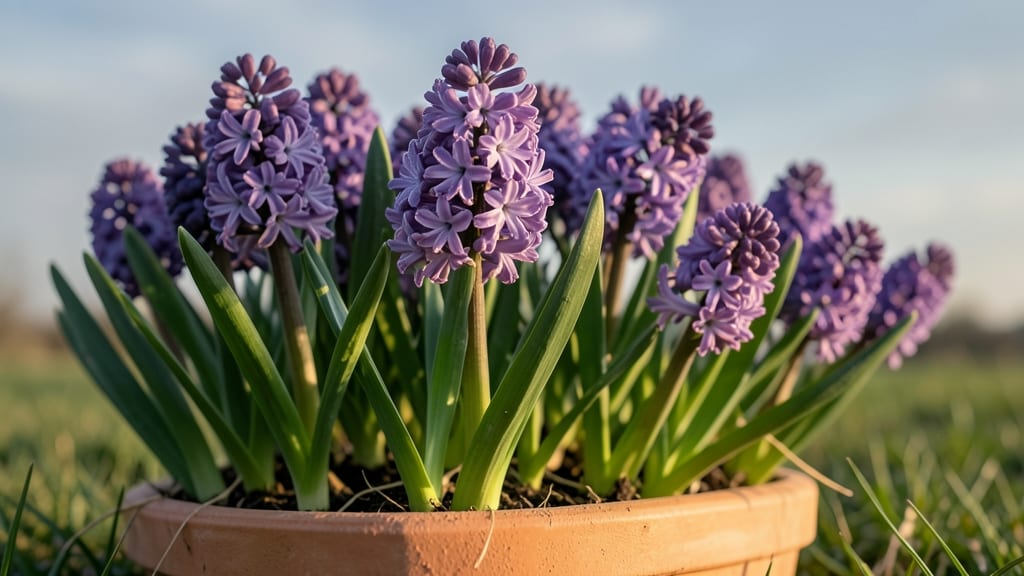
If you crave a garden that smells as good as it looks, hyacinths are your March superstars. Their intoxicating fragrance—ranging from honeyed sweetness to spicy vanilla notes—fills the air long before summer’s blooms take over, making them a sensory highlight for early spring.
These clump-forming bulbs thrive in both containers and borders, with dense spikes of purple, pink, or white flowers—each variety offering a unique scent profile. Plant them in well-draining soil with full sun to partial shade and water moderately after blooming to encourage next year’s flowers. Their early bloom time also makes them a magnet for bees and other pollinators, giving your garden a head start on supporting local ecosystems.
Perfect for small spaces or urban balconies, hyacinths deliver year-round rewards—**just plant the bulbs in fall, and they’ll reward you with fragrance and color every March. 🌷
Primrose Soft Pastel Blooms
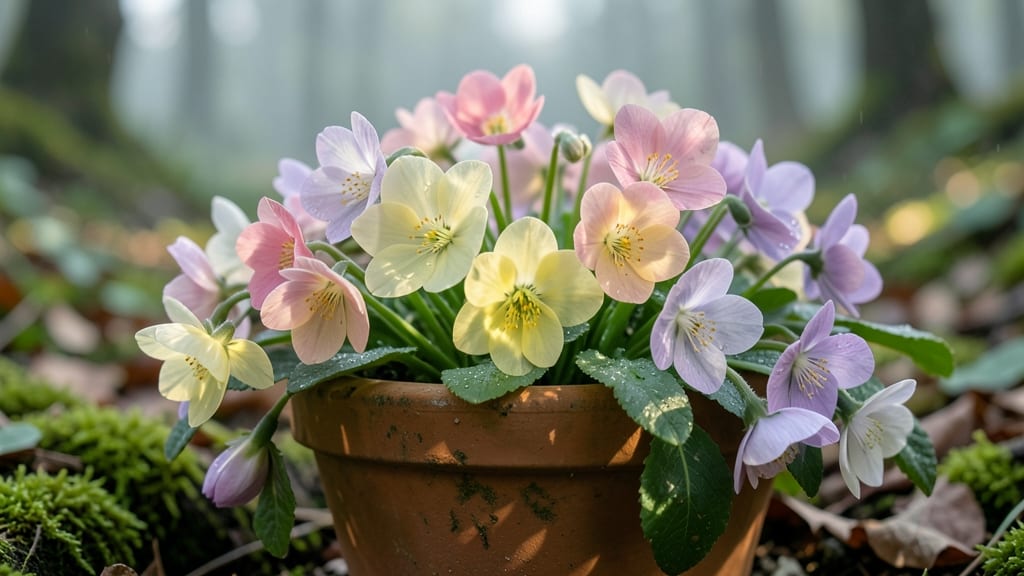
When you crave softness in your early spring garden, primroses deliver the perfect pastel palette—think blush pink, pale yellow, and lavender—without demanding full sun. These delicate bloomers thrive where others falter, making them ideal for shady corners, woodland gardens, and even containers on patios.
Primroses prefer partial shade (3-6 hours of sunlight daily) and well-draining, moist soil, though they tolerate clay if amended with compost. Deadhead spent blooms to encourage continuous flowering from March through May, and divide clumps every 3-4 years to prevent overcrowding. Their subtle charm makes them perfect for pairing with heucheras or ferns in borders.
Urban gardeners and shade-loving plant enthusiasts will appreciate how primroses soften harsh edges—whether tucked into a woodland garden or spilling over a container's edge. Their early blooms also provide nectar for bees when few other flowers are available. 💚
Snowdrops Pure White Elegance
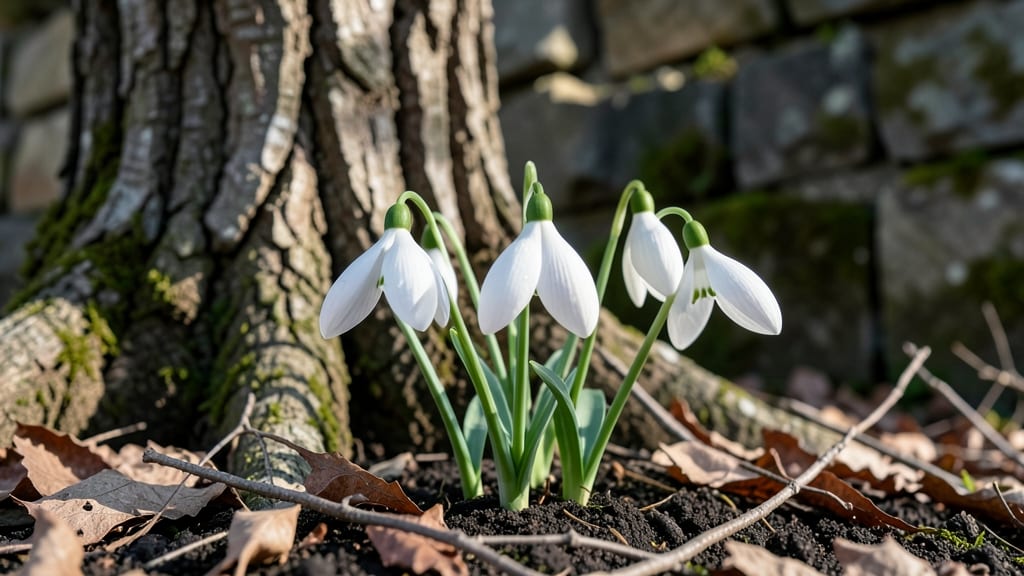
When other flowers are still tucked under the soil, snowdrops (Galanthus) emerge as nature's first heralds of spring, their delicate white blooms symbolizing quiet hope. These early March stars thrive where most plants won't—deep shade under trees or along north-facing walls—making them perfect for overlooked garden corners.
Plant bulbs in fall (September-October) in well-draining soil with partial to full shade, and they'll reward you with blooms before most other spring flowers. Snowdrops naturalize beautifully, creating self-sustaining colonies over time with minimal care. Their resilience makes them ideal for woodland gardens or as underplanting for shrubs and trees.
Perfect for gardeners who want to add elegance without effort, snowdrops bring early pollinators like bees to your garden while requiring almost no maintenance. 🌱
Tulips Early Spring Varieties
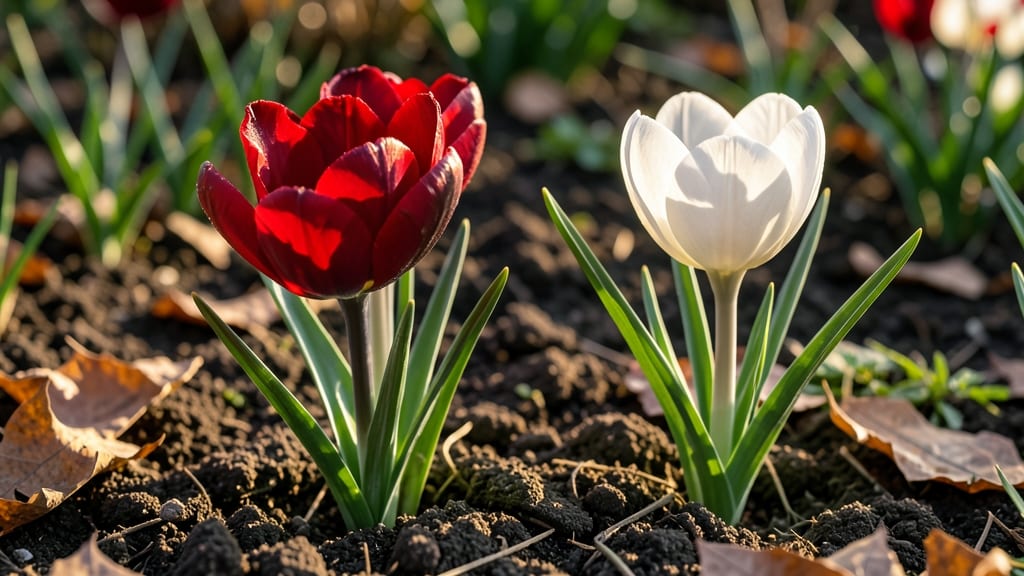
If you're craving bold color before your summer tulips even think about blooming, March-blooming varieties like 'Early Harbinger' and 'White Dream' are your secret weapon. These early stars push through the soil weeks ahead of schedule, delivering striking reds, whites, and pinks that brighten up borders and containers when other flowers are still napping.
Plant these hardy bulbs in fall for a surprise show in early spring—just give them full sun to partial shade and well-draining soil. The key to their success? Forcing indoors is easy: pop the bulbs in a vase with water and watch them bloom on your windowsill by March. They also thrive in garden beds, making them perfect for filling gaps left by winter crops.
Gardeners who love low-maintenance color or want to extend their blooming season will adore these early tulips—they're the perfect bridge between winter dormancy and summer abundance. 🌻
Violas Mixed Color Containers
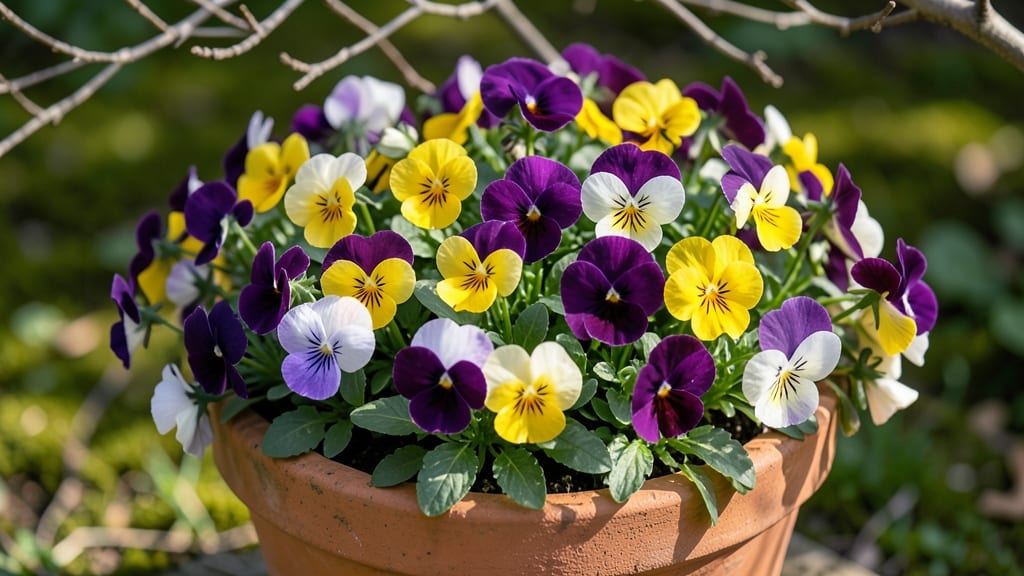
If you love year-round color without the fuss of seasonal replacements, violas are your secret weapon. These cold-hardy charmers—often called pansy cousins—bloom continuously from early spring until frost, making them the ultimate low-maintenance container star.
Violas thrive in partial shade to full sun, tolerating temperatures down to 20°F, and come in a rainbow of colors. Plant them in well-draining soil with morning sun and afternoon shade to extend blooms. Deadhead spent flowers to encourage more blooms, and fertilize lightly every 4-6 weeks for nonstop color.
Perfect for urban balconies, window boxes, or cottage-style borders, violas bring joy to gardeners who want easy, long-lasting blooms with minimal effort. 🌻
Bleeding Heart Delicate Arching Flowers
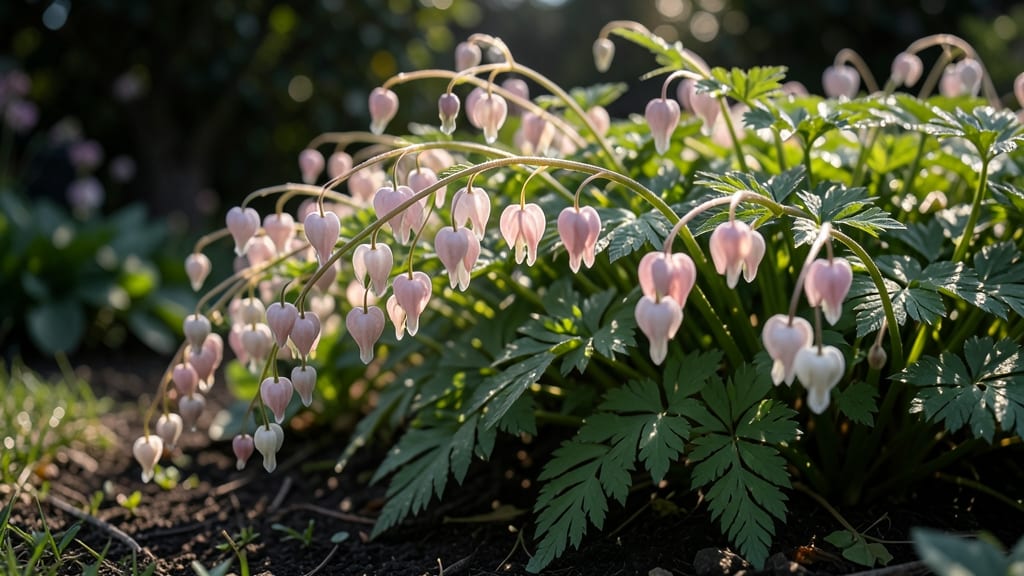
If you're craving a dramatic early spring display without the high-maintenance upkeep, bleeding heart (Dicentra spectabilis) delivers arching cascades of heart-shaped blooms that feel like a romantic garden secret. These shade-loving perennials bloom in March and April, offering delicate pink or white flowers that contrast beautifully against their lush, fern-like foliage.
Plant bleeding hearts in partial to full shade (they tolerate dappled sunlight) and moist, well-draining soil—ideal for woodland gardens, shady borders, or beneath trees. Their arching stems create natural vertical interest, making them perfect for adding height to containers or mixed borders. For best results, divide clumps every 3-4 years to prevent overcrowding and encourage vigorous blooms.
This is the go-to plant for gardeners who love drama with minimal effort, especially in shady spots where other flowers struggle. Pair it with hostas or ferns for a lush, woodland-inspired look that thrives year-round. 💚
Lungwort Silver and Blue Spots

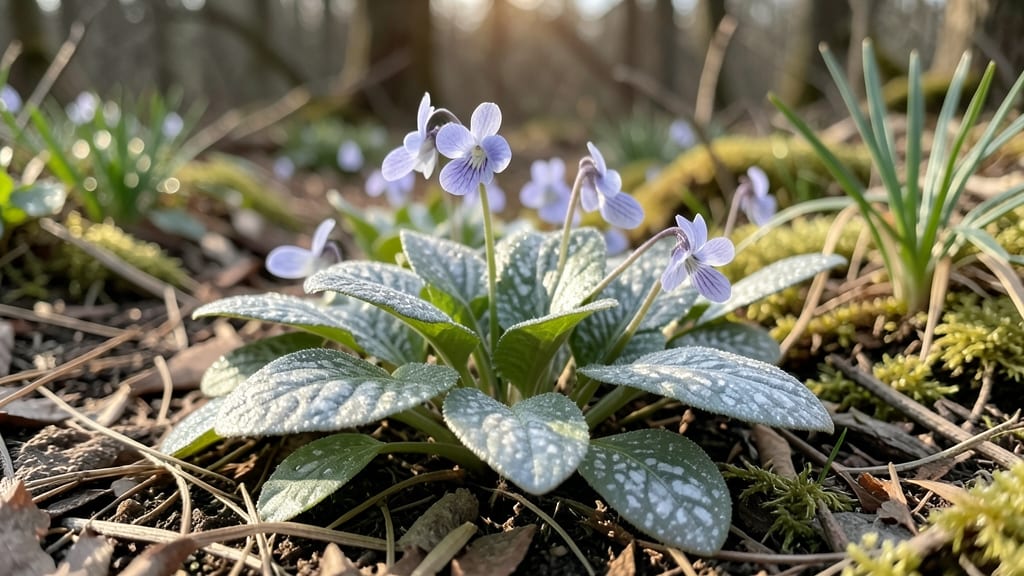
Looking for a March-blooming plant that thrives in shade and doubles as a medicinal treasure? Lungwort (Pulmonaria) delivers silver-spotted foliage and delicate blue flowers that emerge before most spring blooms, making it a standout for woodland gardens and pollinator-friendly spaces.
This hardy perennial thrives in partial to full shade, tolerates moist or well-drained soil, and produces early blooms that feed bees and butterflies. The foliage contains compounds historically used for respiratory health, while the flowers transition from pink to blue as they age—adding dynamic color to shady borders. Plant in clusters for a natural, textured look that persists from late winter through spring.
Perfect for gardeners seeking low-maintenance yet striking foliage plants, lungwort also spreads slowly, making it ideal for woodland gardens or understory plantings. Its dual beauty—foliage and flowers—ensures year-round interest. 💚