Blooming
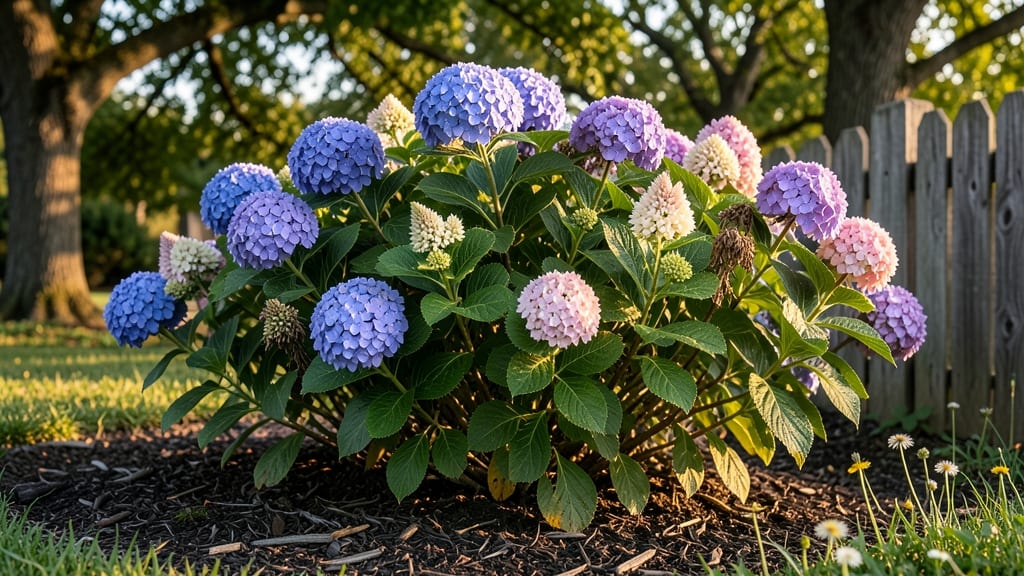
Hydrangeas in Illinois bloom between late May and September, but timing depends on your zone, variety, and whether they flower on old or new wood.
If you’ve ever wondered why your neighbor’s 💮 hydrangeas burst into color weeks before yours—or why some varieties bloom twice while others fade early—it’s all about Illinois’ shifting climate zones and how each type responds.
Northern Illinois gardeners (USDA zones 5b) often see bigleaf hydrangeas open in June, while southern zones (6b) might enjoy late summer blooms from oakleaf varieties. Panicle types like ‘Limelight’ stretch the season from July to September, giving you a longer show.
Below, I’ll break down the exact bloom windows by type, how Illinois’ unpredictable weather can throw off timing, and the one pruning trick that guarantees bigger, earlier flowers next year.
Illinois hydrangea bloom seasons by climate zone (USDA 5-6)
If you’ve ever wondered why your hydrangeas bloom at different times across Illinois—or why some varieties explode with color while others lag—it’s all about USDA zones 5b and 6.
Northern Illinois (zone 5b) typically sees blooms 2-3 weeks later than southern Illinois (zone 6b), thanks to cooler springs and earlier frosts. Understanding these patterns helps you time pruning, fertilizing, and care for maximum impact.
Illinois’ four main hydrangea types—bigleaf, panicle, oakleaf, and smooth—each have distinct bloom windows. Bigleaf hydrangeas (like 'Endless Summer') often bloom on old wood, meaning last year’s growth sets this year’s flowers.
Meanwhile, panicle hydrangeas (like 'Limelight') bloom on new wood, offering more flexibility for pruning. Oakleaf and smooth hydrangeas fall somewhere in between, with unique seasonal quirks.
The key to timing is Illinois’ last frost dates: April 15 in northern zones and March 20 in southern zones. Hydrangeas need consistent warmth to break dormancy, so early frosts can delay blooms by weeks.
For example, a late-May frost in zone 5b might stunt bigleaf hydrangeas, while zone 6b plants could already be in full bloom by June.
In USDA zone 5b (northern Illinois), bigleaf hydrangeas like 'Nikko Blue' usually bloom in late June or early July, while panicle types such as 'Little Lime' shine in July and August. The delay happens because cooler springs slow bud development.
For example, if you plant 'Endless Summer' in Chicago or Rockford, expect its first blooms around June 20, but they’ll peak in July.
Southern Illinois (zone 6b) gardeners enjoy earlier blooms, with bigleaf hydrangeas often opening by mid-June. This earlier start means you can prune bigleaf hydrangeas in late summer (after blooming) without missing next year’s flowers.
In contrast, panicle hydrangeas in zone 6b might bloom as early as late May, giving you a longer display.
Oakleaf hydrangeas add a seasonal twist with their fall color changes. In zone 5b, their blooms appear in June and July, but leaves turn fiery reds and oranges by September.
In zone 6b, this process starts 2-3 weeks earlier, making them a double-reward plant for summer and fall interest.
To encourage consistent blooms, pay attention to soil moisture and pruning timing. Illinois’ hot, dry summers can stress hydrangeas, so mulch heavily in June and July to retain moisture. For bigleaf types, never prune old wood—wait until late summer after blooming to shape the plant.
If your hydrangeas skip blooming entirely, it’s often due to over-pruning old wood or nutrient deficiencies. In zone 5b, apply a balanced fertilizer in early May to jumpstart growth. For zone 6b, a light feeding in April suffices, as warmer soils wake up faster.
Pro tip: Track your local frost dates using the Old Farmer’s Almanac or Illinois State Climatologist reports. In zone 5b, a late frost in May can damage emerging buds, while zone 6b might see earlier blooms but shorter displays if summer heat arrives early.
For year-round interest, mix panicle and oakleaf hydrangeas in your garden. Panicle types bloom later in the season (July-August), while oakleaf’s foliage
How Illinois weather affects hydrangea blooming (and how to adjust)
Illinois' unpredictable weather patterns can turn your hydrangea blooming schedule into a guessing game. From late frosts in northern Illinois to scorching summer heat in the south, these fluctuations directly impact when—and if—your plants produce those show-stopping blooms. Understanding these climate challenges is key to timing your care routine perfectly.
The biggest culprit? Late spring frosts that can nip flower buds before they open. In USDA Zone 5b areas (like Chicago), these frosts often linger until mid-May, while Zone 6b regions (southern Illinois) typically see frost-free conditions by early April.
This two-week difference can mean the difference between lush blooms and bud loss.
Southern Illinois gardeners face a different threat: summer heat waves that can cause buds to abort before opening. Temperatures above 90°F for extended periods stress hydrangeas, forcing them to conserve energy for survival rather than flowering. Panicle hydrangeas (like 'Limelight') are slightly more heat-tolerant, but even they struggle in prolonged drought conditions.
Soil moisture plays an equally critical role. Dry spells during bud formation (typically April-May) can stunt growth, while excessive rain in summer causes root rot. I've seen hydrangeas in St. Louis bloom 3 weeks earlier in wet springs compared to dry ones.
The solution? Mulch heavily in early spring to retain moisture and water deeply during droughts—aim for 1-2 inches of water per week.
Don't overlook humidity levels, either. Northern Illinois' lower humidity can cause buds to dry out, while southern areas' higher humidity promotes fungal diseases like powdery mildew. I recommend applying a fungicide preventative in late spring if your area gets frequent rain.
For bigleaf hydrangeas, this means monitoring soil pH too—acidic soil (pH 5.5-6.0) encourages blue blooms, while alkaline soil (pH 7.0+) turns them pink.
Here's my pro tip for Illinois gardeners: Adjust your pruning schedule based on your zone. In Zone 5b, wait until late May to prune old wood bloomers (like 'Endless Summer'), while Zone 6b gardeners can prune new wood types (like 'Annabelle') in early spring.
This timing ensures you're not removing next year's flower buds when they're still forming.
For consistent blooms, I've found that shade cloth during peak summer (June-August) helps maintain cooler root zones. Even 30% shade cloth can make a noticeable difference in southern Illinois heat.
Pair this with balanced fertilization in early spring and you'll see more reliable blooming—even in challenging years. The key is adapting your care to match Illinois' ever-changing weather patterns.