
Blooming
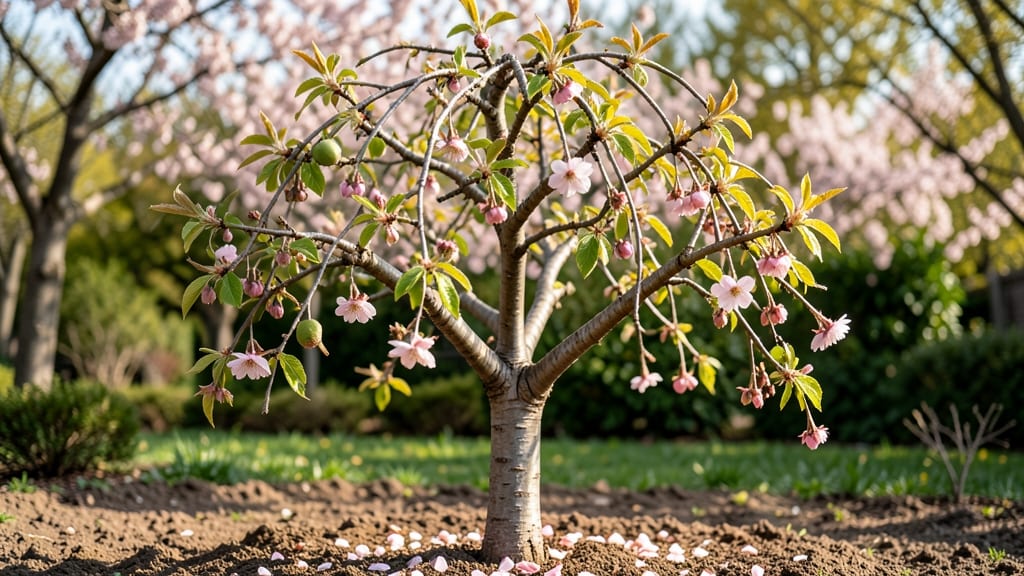
Peach trees in Texas bloom between late February and early April 🍑, depending on chill hours and variety—but timing is everything for that juicy harvest.
Texas gardeners know timing is everything—especially when it comes to peach trees. Planting too early or late can mean missed harvests, but understanding chill-hour requirements and bloom windows ensures your trees thrive in the Lone Star State’s unpredictable climate.
North Texas varieties like 'Redhaven' need 500-800 chill hours, while South Texas’s milder winters favor low-chill types like 'Contender' that bloom earlier. A late frost after buds swell can wipe out blossoms—and your fruit crop—so knowing your zone’s frost dates is critical.
Below, I break down bloom timing by region, the 3 key factors that shift your tree’s schedule, and how to pick varieties that match your Texas climate for the best harvest.
Texas peach tree bloom seasons by chill-hour zones (map & variety guide)
Peach trees in Texas follow a chill-hour calendar that dictates when they bloom, with North Texas (400–600 hours) and South Texas (800–1,000+ hours) having wildly different windows. Early bloomers like 'Contender' may flower in late January, while late varieties like 'Elberta' wait until March.
This timing ensures fruit sets after frost risk passes, but mismatched varieties can lead to crop failure.
Texas’ USDA Zones 8a–10b create microclimates where chill hours (temperatures 32–45°F) trigger blooming. North Texas (e.g., Dallas) gets 600–800 hours, while South Texas (e.g., San Antonio) often exceeds 1,000 hours. Low-chill varieties (300–500 hours) are critical for areas like Lubbock or Amarillo, where winters are shorter and frost threats linger.
Bloom timing directly impacts fruit production—early blooms risk frost damage, while late blooms may miss optimal pollination windows. Texas A&M AgriLife recommends selecting varieties based on your chill-hour zone and last frost date, which can vary by 2–4 weeks across the state. For example, Houston’s January 15 average last frost aligns with mid-February blooms for 'Redhaven', but Austin’s February 1 frost date pushes blooms to late February.
| Chill-Hour Zone | Bloom Window | Top Varieties | Frost Risk | Harvest Window |
|---|---|---|---|---|
| 300–500 hours (North/Central TX) | Late Jan–Early Feb | 'Contender', 'Sanguinelle', 'Redtop' | High (Feb 15) | May–June |
| 500–800 hours (Central TX) | Mid-Feb–Early Mar | 'Redhaven', 'Halford', 'Bonanza' | Moderate (Jan 31) | Late May–July |
| 800–1,000+ hours (South TX) | Late Feb–Mar | 'Elberta', 'Reliance', 'Fay Elberta' | Low (Jan 1) | June–Early July |
| 1,000+ hours (Deep South TX) | Mar–Early Apr | 'Springcrest', 'O’Henry' | Minimal (Dec 15) | July–Aug |
In North Texas, where winters are shorter and colder, low-chill varieties like 'Contender' (300–500 hours) bloom in late January, often before the last frost.
This early timing means growers must use frost cloths or smoke generators to protect blossoms. Central Texas gardeners, however, can plant mid-chill varieties like 'Redhaven' (600–800 hours), which bloom in February when frost risk drops significantly.
South Texas presents unique challenges: high-chill varieties (800+ hours) like 'Elberta' thrive here but may bloom in March, risking late-season pests like peach tree borers. Heat stress after blooming can also reduce fruit set. To mitigate this, drip irrigation and shade cloth during summer help maintain tree health. Texas A&M Extension recommends dwarf varieties for urban areas, as their earlier blooms align better with cooler spring temperatures.
Matching your peach tree variety to your chill-hour zone isn’t just about timing—it’s about fruit quality. Low-chill peaches (e.g., 'Sanguinelle') often have smaller yields
Critical factors that delay or advance peach tree blooming in Texas
Texas’ unpredictable spring weather can throw off your peach tree’s natural blooming cycle. Temperature swings between warm days and late frosts often delay flowering, while drought stress or improper pruning can push blooms too early—risking frost damage.
Understanding these factors helps you synchronize blooming with Texas’ erratic climate for a reliable harvest.
Peach trees need 300–1,000 chill hours (temperatures between 32°F–45°F) to break dormancy. In North Texas (USDA Zone 8a), trees typically bloom in mid-February, while in South Texas (Zone 9a), blooms may appear as early as January.
However, if winter warmth skips the required chill hours, buds may fail to open entirely or bloom sporadically.
⚠️ Late Frost Risk After Bud Swell
Once peach buds swell to pencil size (about 1–2 weeks before blooming), they’re vulnerable to 28°F+ frosts. Texas’ average last frost dates vary wildly:
- North Texas: February 15
- Central Texas: February 1
- South Texas: January 15
Drought stress is another major culprit. Peach trees need consistent moisture during dormancy (winter) to prepare for spring blooming. If soil dries out in January–February, buds may abort or bloom weakly. Deep watering every 10–14 days (1–2 inches of water) keeps roots hydrated without over-saturating the soil.
Pruning mistakes can also disrupt blooming. Over-pruning in late winter removes flower buds, while pruning too late (after buds swell) stresses the tree. Stick to dormant-season pruning (Dec–Feb)—remove dead wood and thin branches to improve airflow, but leave 70–80% of last year’s growth to ensure blooms.
To advance blooming in cooler years, use winter chill packs (commercial products like Chill-Aid) or apply hydrogen cyanamide (a dormancy-breaker) in late winter. For delaying blooms in warm spells, shade cloth or anti-bloom sprays (like Arest) can help synchronize flowering with safer temperatures.
Pro tip: Plant low-chill varieties (e.g., ‘Contender’ or ‘Sanguinelle’) in North/Central Texas to reduce frost risks. Pair them with windbreaks to protect blooms from erratic spring winds that can shatter petals and reduce pollination.