
Blooming
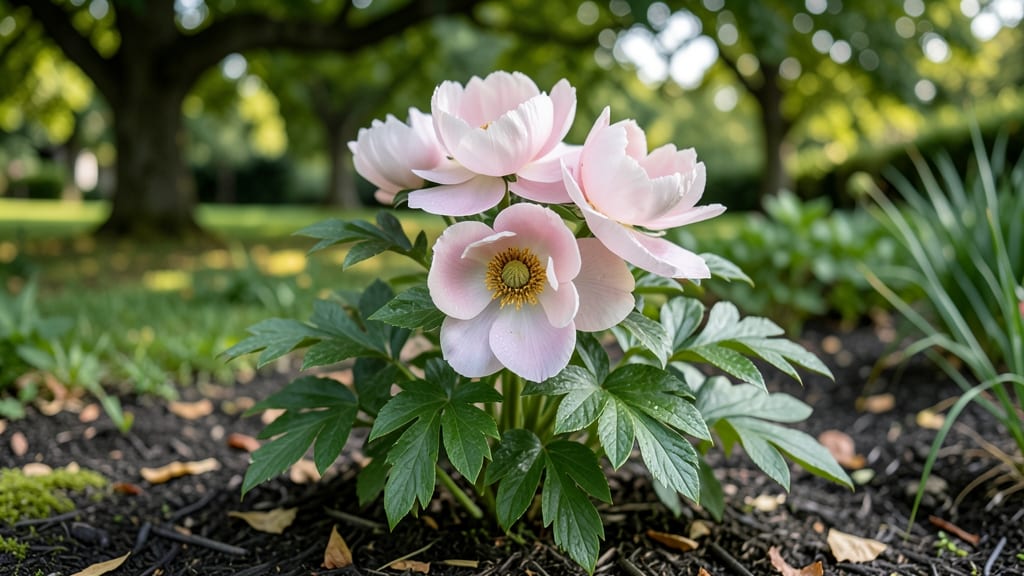
Peonies in Ohio typically bloom between late April and early June, but the exact timing depends on your variety and microclimate—some early bloomers like 'Sarah Bernhardt' push through snow, while late varieties wait until May.
Ohio gardeners eagerly await peony blooms each spring, but timing varies dramatically by variety—and getting it wrong could mean missing the show entirely. Whether you're in Zone 6a or a slightly warmer pocket of southern Ohio, knowing your frost dates is the key to planning ahead.
Early bloomers often face frost risk, while late varieties may struggle in the heat of June. The secret to a long bloom season? Planting in full sun, mulching for insulation, and choosing the right varieties for your region.
In this guide, I’ll break down the bloom windows by variety, share frost protection tips, and reveal the 5 best ways to extend your peonies’ showstopping season—so you can enjoy those lush 🌸 blooms for weeks.
Peony bloom times in Ohio by variety: early, mid, and late season flowers
Ohio’s peony blooms create a stunning spring spectacle, but timing varies dramatically by variety. In USDA Zone 5-6, peonies typically bloom from mid-April to late June, with some varieties starting as early as late March in southern Ohio.
Understanding these bloom windows helps you plan your garden layout and avoid frost damage to early flowers.
Northern Ohio’s cooler climate (like Toledo and Cleveland) often delays blooms by 1-2 weeks compared to southern Ohio (like Columbus and Cincinnati). Microclimates near lakes or urban areas can also shift bloom times by several days.
Let’s break down the best peony varieties for Ohio and their ideal bloom periods.
For early bloomers like 'Sarah Bernhardt', plant them in sheltered microclimates (like near a south-facing wall) to protect against late frosts. Southern Ohio gardeners can expect blooms 10-14 days earlier than their northern counterparts due to warmer temperatures.
If you want a continuous bloom display, mix early, mid, and late varieties in your garden design.
Peonies also produce fall foliage interest with their lush green leaves turning golden-brown in autumn. This makes them a year-round garden asset, not just a spring star.
For best results, plant peonies in well-draining soil with full sun exposure—at least 6 hours of sunlight daily—to encourage strong, healthy blooms.
Ohio’s last average frost date is around April 15 in most areas, but late frosts can occur until early May. To protect early bloomers
How Ohio’s frost dates affect peony blooming: protecting early flowers
Ohio’s USDA zones 5-6 create a delicate balance for peony lovers—early bloomers like 'Sarah Bernhardt' often emerge in late April to early May, but late frosts can still strike.
The average last frost date in most of Ohio falls between April 15 and May 1, leaving those fragile buds vulnerable. Understanding these timing nuances is key to preserving your peony investment.
Peonies are hardy perennials, but their buds are frost-sensitive until they’ve fully opened. A 28°F night can damage or kill emerging buds, turning your eagerly awaited blooms into crispy brown husks.
This is especially critical in northern Ohio, where frosts linger longer than in southern counties like Columbus or Cincinnati.
⚠️ CRITICAL WARNING ⚠️
Ohio’s frost risk: 30% chance of frost after April 15 in zone 5, 20% in zone 6. Early bloomers like 'Bowl of Beauty' (late April) are most at risk. Mid-season varieties (May) have lower frost exposure but may still face light freezes.
Protective action: Cover plants with frost cloth when night temps drop below 32°F. Remove cloth by 10 AM to prevent overheating. Mulch heavily (4-6 inches) before winter to insulate roots.
To minimize frost damage, I recommend strategic planting locations. Avoid low-lying areas where cold air pools—opt instead for south-facing slopes or raised beds that warm up faster. Even a few extra degrees can mean the difference between blooms and brown buds.
Another effective tactic is mulching with straw or shredded leaves in early spring. This creates an insulating layer that delays soil warming and protects emerging shoots from sudden temperature drops. I’ve found that 3-4 inches of mulch can raise soil temps by 2-3°F, giving peonies a critical head start.
For gardeners with high-value varieties, consider using frost blankets or row covers during high-risk periods. These lightweight fabrics allow sunlight to penetrate while blocking 28°F+ frosts. Just remember to secure them tightly—wind can tear them and leave plants exposed.
Timing matters most for early bloomers, but even mid-season varieties can suffer from late frosts. If you’re unsure about your local frost dates, check the Old Farmer’s Almanac or your local Cooperative Extension Service for 10-year averages.
Armed with this data, you can adjust your planting schedule or protective measures accordingly.